
Andes (June-Sept)
This is the clearest, driest stretch in Quito and the volcano corridor, overlapping with the country's broader June-September and December-January high season.
One compact country spanning Andean peaks, Amazon lowlands, Pacific islands and a UNESCO old town.
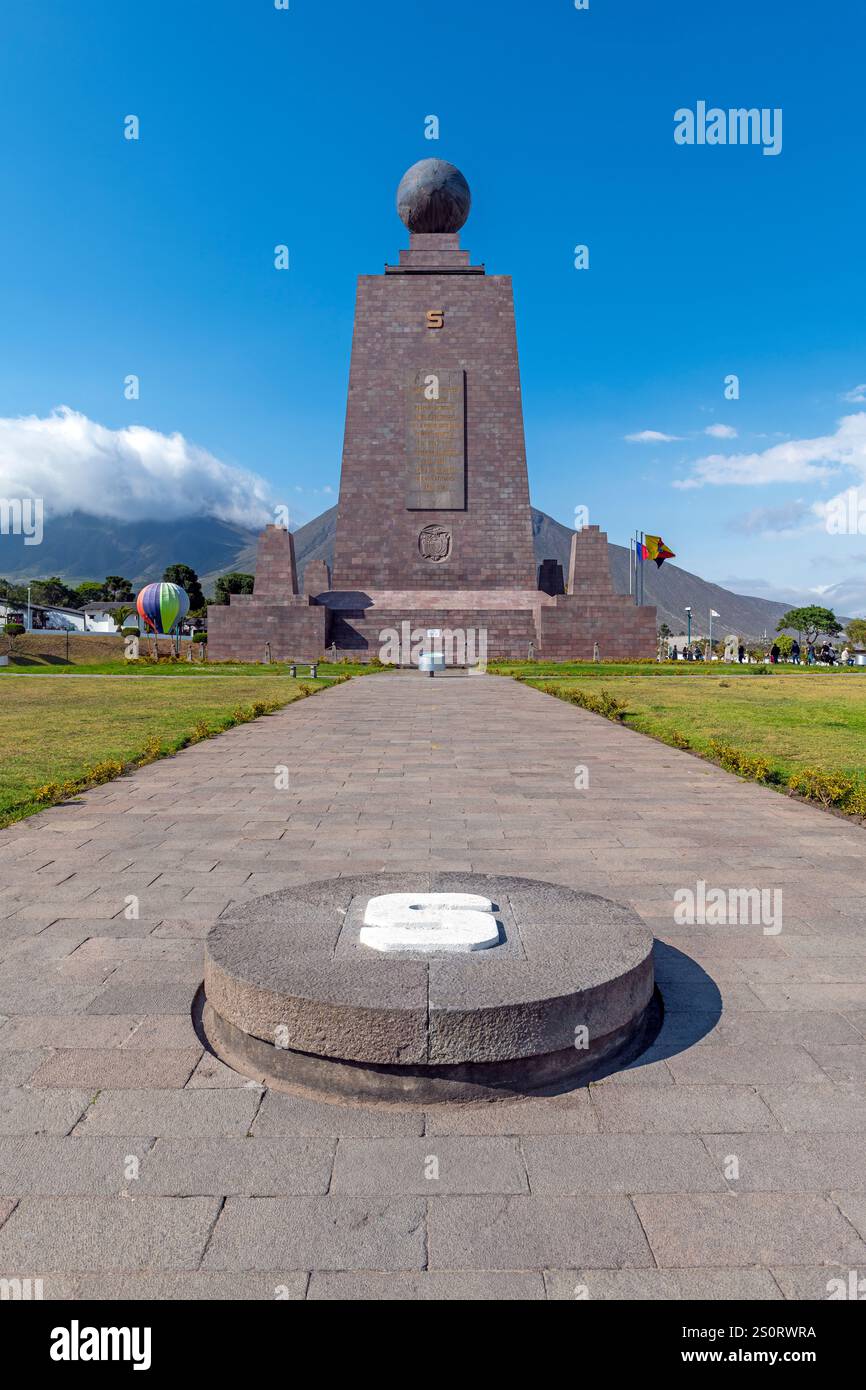
Explore AttractionsEcuador is the only country on earth named after an imaginary line, and that line runs straight through its identity. The equator crosses just north of Quito, where the Mitad del Mundo monument marks the divide between hemispheres, and the whole country organises itself around that geographic accident.
Volcanoes, rainforest, glaciers and coral reefs crowd into a territory a traveller can cross in a day.
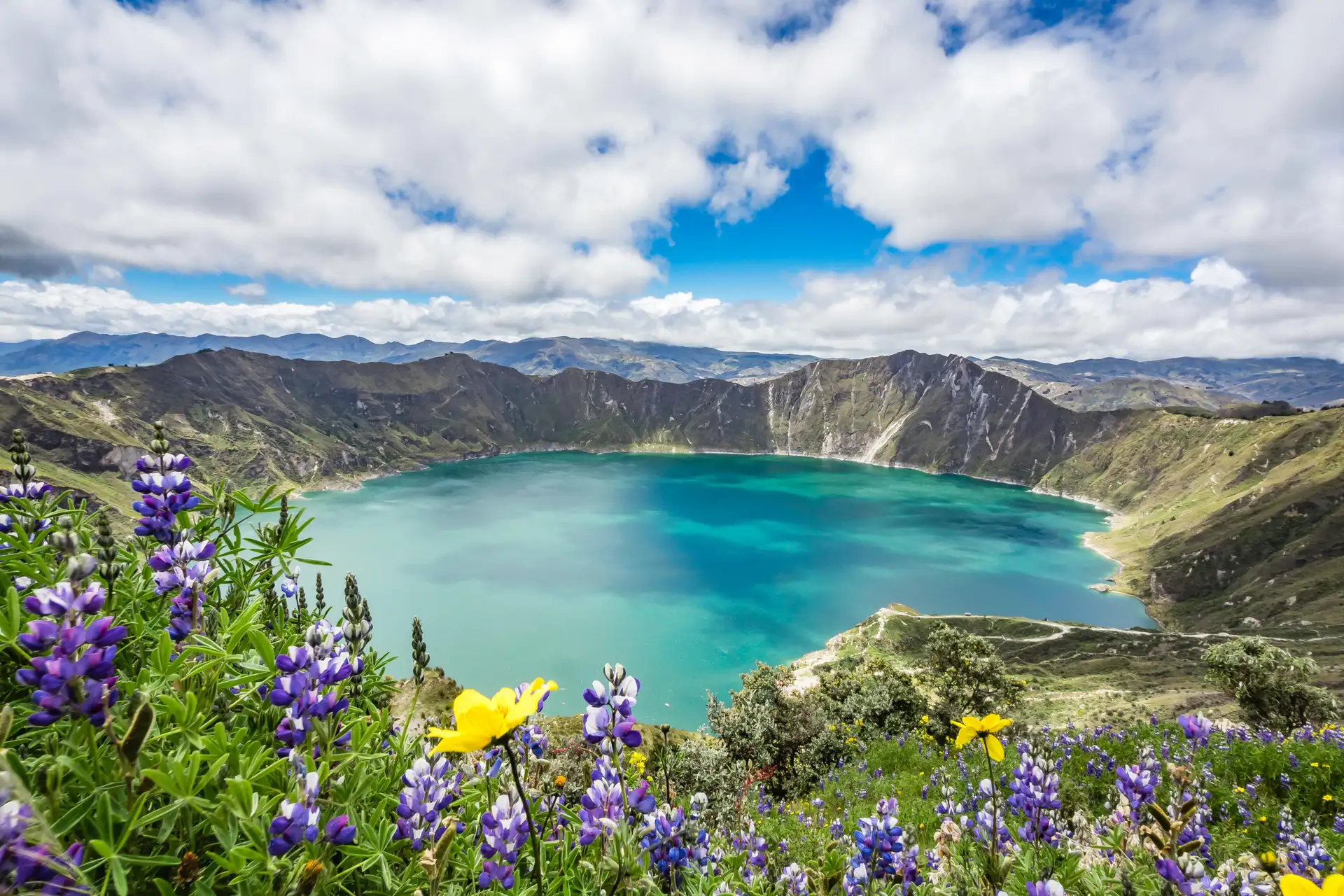
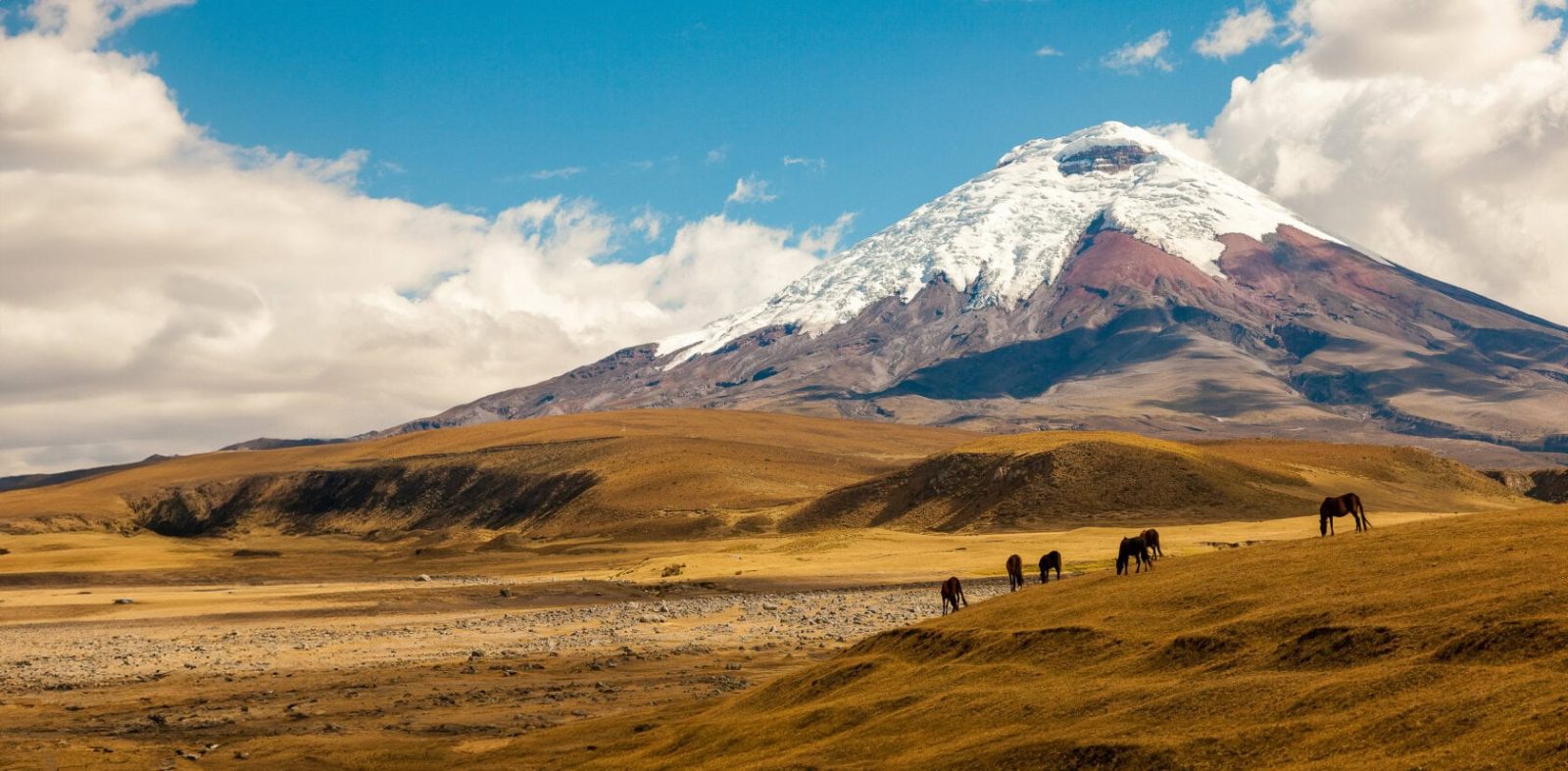
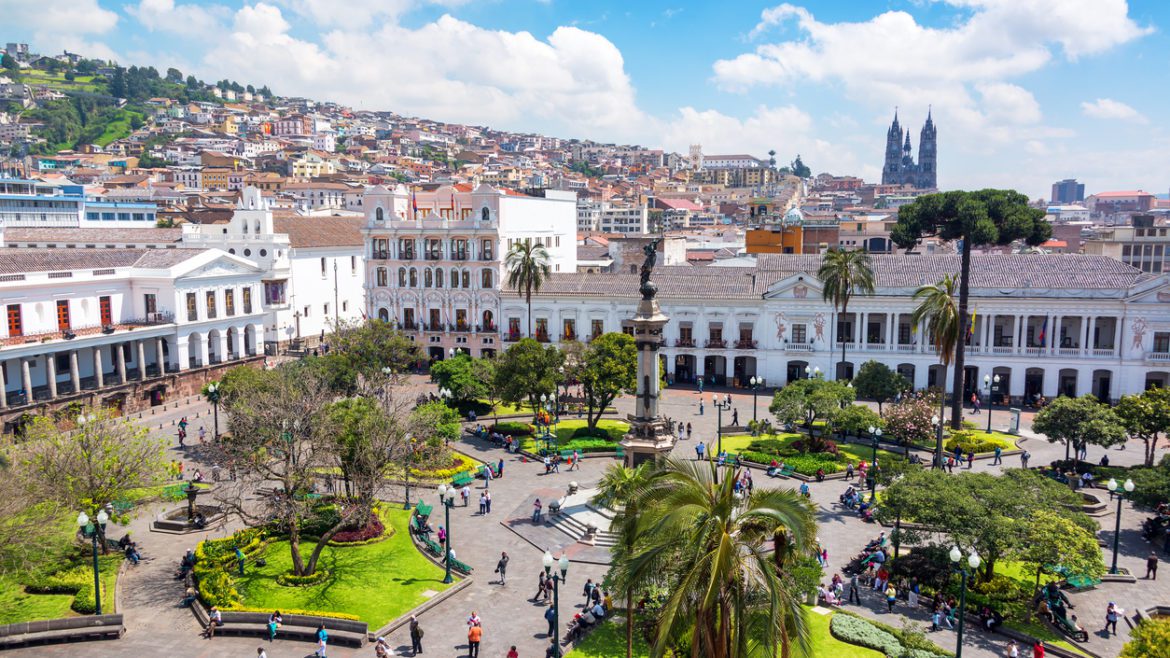
The capital shaped the nation. Quito was built by the Spanish over the ruins of a northern Inca city, and its old town survived largely intact, a warren of gilded churches, monasteries and plazas beneath the perfect cone of Pichincha. That colonial core earned early recognition as a protected heritage site, and it still sets the register for the country: layered, devout, high-altitude, unhurried. What defines Ecuador today, though, is contrast rather than any single monument. Within a few hours of the old town the land climbs to the glaciated summit of Cotopaxi, folds into the emerald crater lake of Quilotoa, and flattens into the Amazon basin where oil roads give way to river channels.
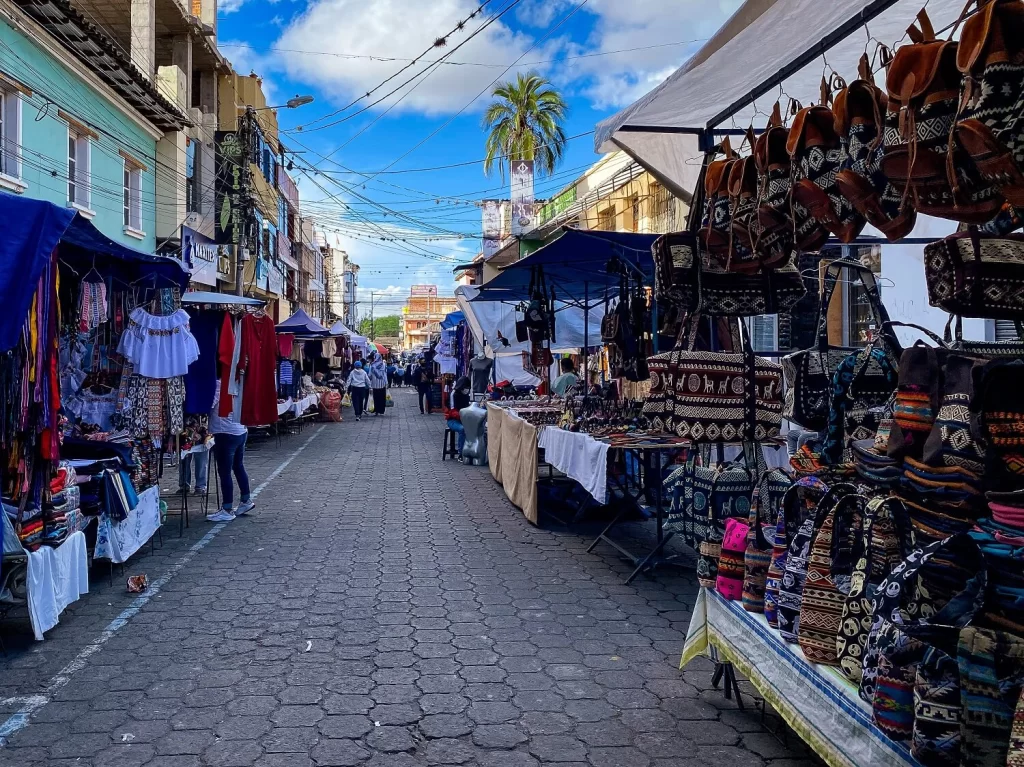
The site's own attractions read like a cross-section of that geography. Quito city tours introduce the colonial centre; Cotopaxi day trips reach the páramo grasslands beneath the volcano; Otavalo market tours visit the largest indigenous textile market in South America; Amazon rainforest tours drop travellers into lodges along the Napo River; and Galapagos Islands cruises carry them to the archipelago that reshaped how the world understands life itself. Good Ecuador Tours thread these together without pretending the country is smaller than it is. The best Ecuador Tours tours respect the altitude, the driving distances and the weather that shifts with every thousand metres of ascent.
Who does the destination suit? Almost everyone, which is unusual. Hikers come for the Avenue of the Volcanoes and the Quilotoa Loop. Naturalists come for the finches, tortoises and marine iguanas that Darwin catalogued. Families come for the short transfers and the safety of a dollarised, walkable capital. Craft buyers come for Otavalo's Saturday market and Baños's canyon adventures. A well-planned Ecuador Tours tour can hand each of them a different country without ever leaving the same borders, and a single Ecuador Tours ticket to the Galapagos or the Amazon often becomes the anchor the rest of a trip is built around. Few places reward curiosity so quickly.
“Ecuador is the only country on earth named after an imaginary line, and that line runs straight through its identity.”
Andes, Amazon, Pacific coast and the Galapagos lie within short domestic flights of each other.
The best-preserved historic centre in the Americas sits at 2,850 metres beneath surrounding volcanoes.
Cotopaxi, Quilotoa and the Middle of the World monument are all day trips from the capital.
Ecuador Tours gathers the country's headline experiences into one grid, spanning volcanic highlands, Andean markets, dense rainforest, and the Galapagos archipelago. Most sit within a few hours of Quito, so the real decision is tempo: a single dramatic day trip, a market-and-crafts wander, an adrenaline base in the valleys, or a longer flight to islands and jungle. Use these blurbs to match each attraction to the kind of traveler you are, then open a page for depth on logistics, timing, and what to book ahead.
Crater Lake
Reach the rim of a collapsed volcano cradling a green crater lake, hike the steep switchback trail to the shore, and paddle a kayak across the caldera.
Market
Browse one of the Andes' largest indigenous craft markets for handwoven textiles, alpaca goods, and silver, then meet weavers and leatherworkers in surrounding villages.
Private Tour
Travel with a dedicated guide and driver who tailor pace, stops, and hacienda stays to you, skipping fixed group schedules across highlands, coast, or Amazon.
Adventure
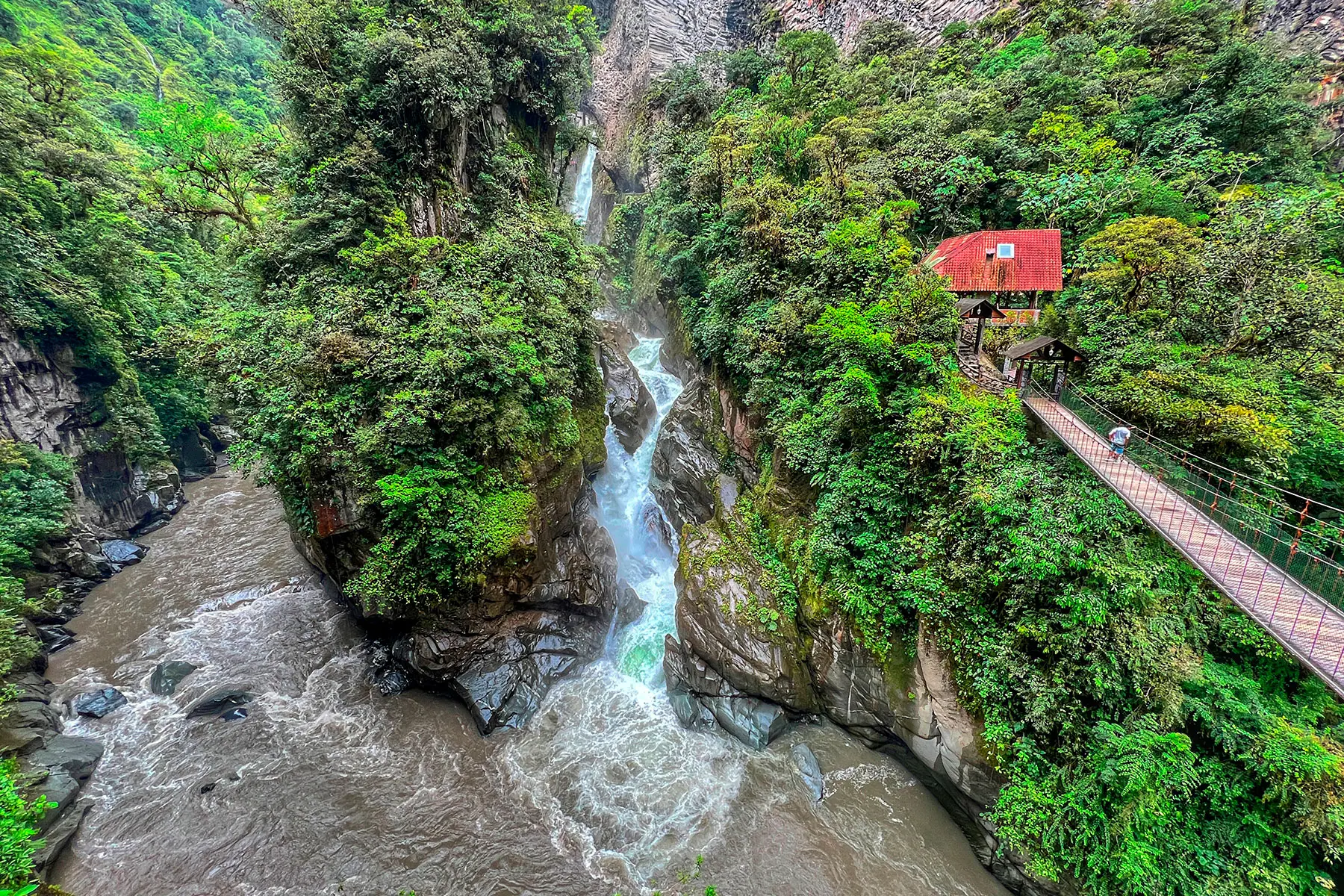
Swing over the Pastaza gorge at Casa del Árbol, raft whitewater, zipline through cloud forest, and soak in thermal baths fed by the active Tungurahua volcano.
Monument
Straddle the equator monument, test water-swirl and balance tricks at the nearby Intiñan site, and climb the tower for views over the marked latitude-zero line.
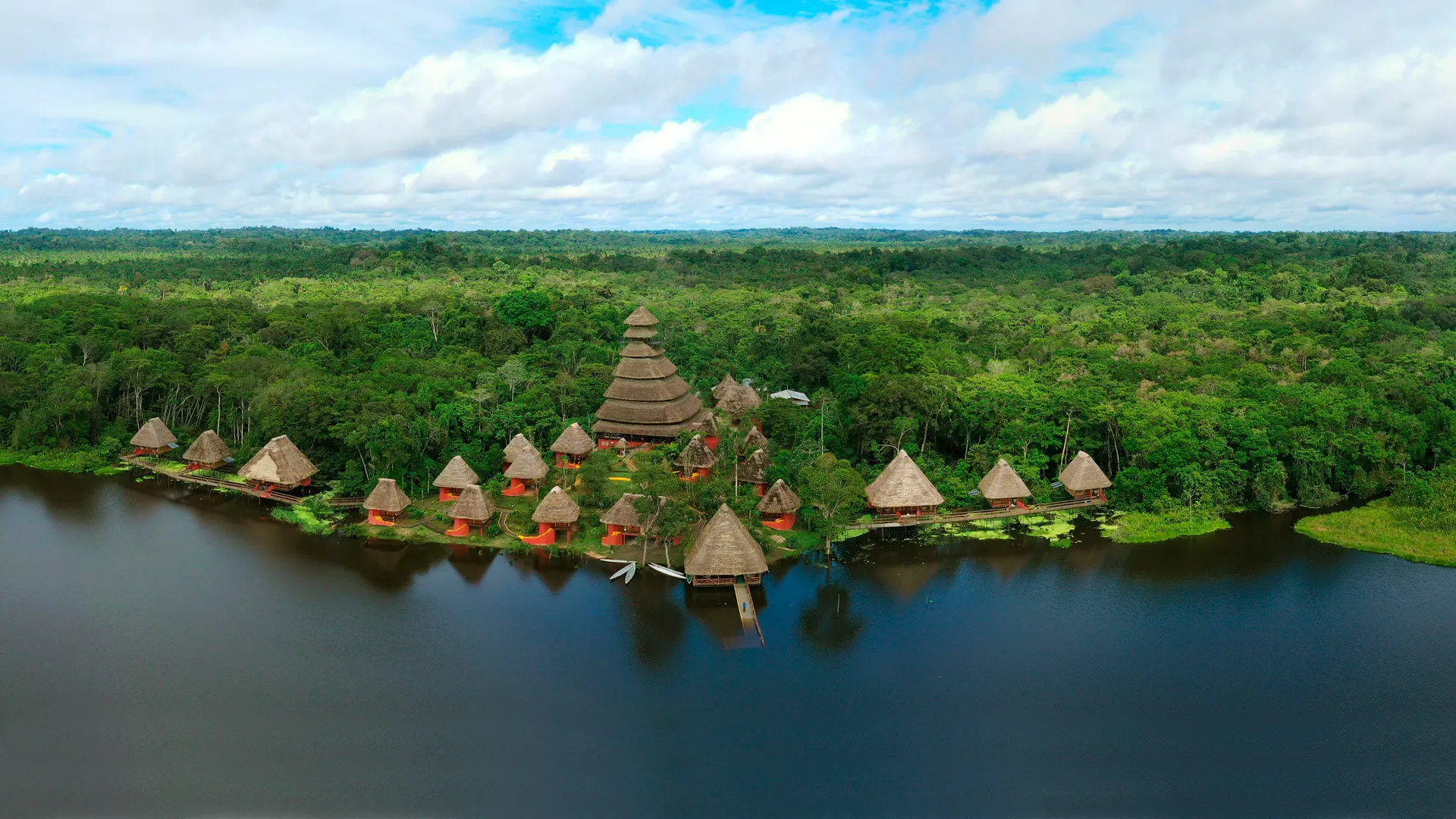
Rainforest
Stay at a jungle lodge reached by motorized canoe, walk night trails for caimans and frogs, climb canopy towers, and watch parrots gather at clay licks.
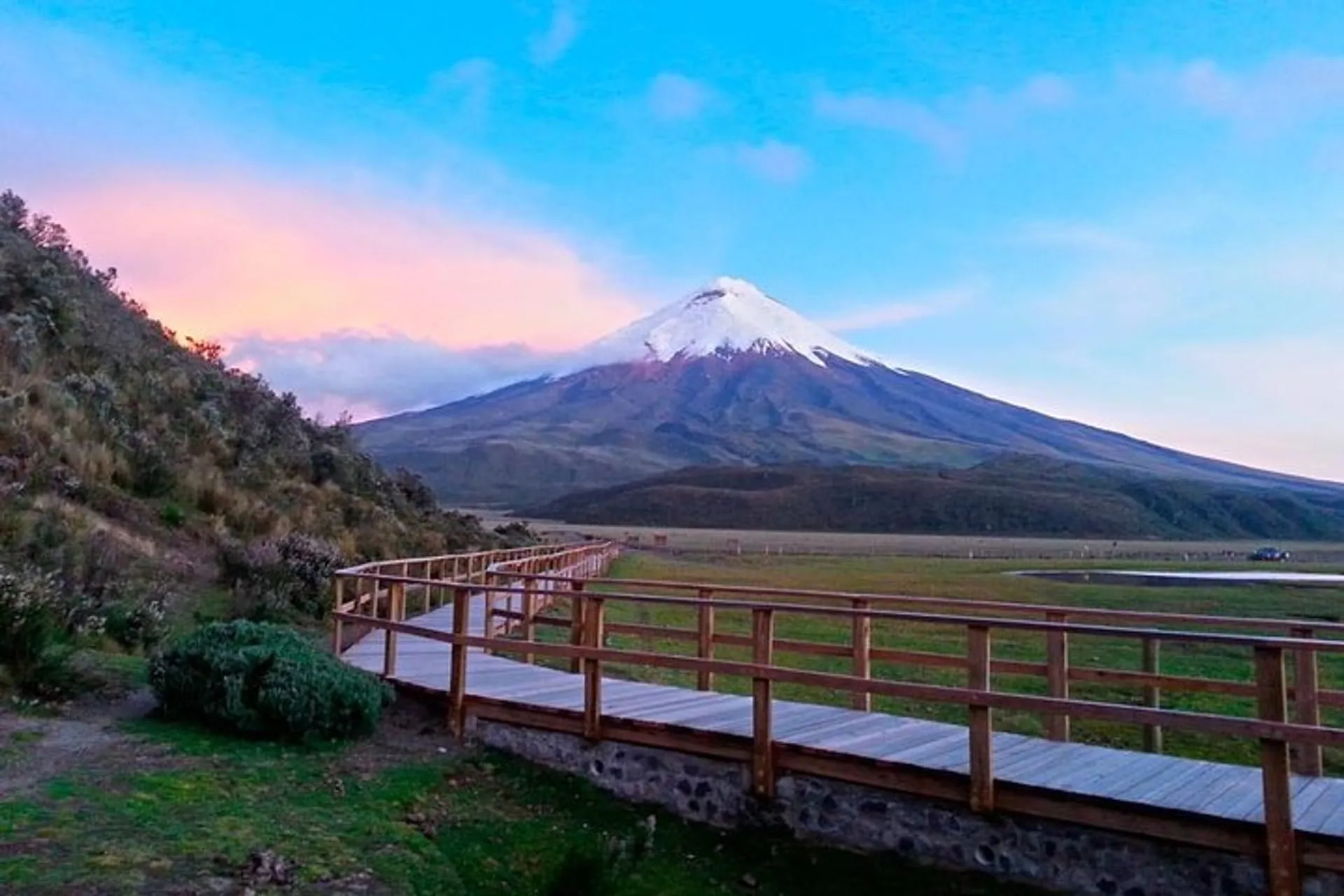
National Park
Drive into páramo grassland beneath a near-perfect snow-capped cone, hike toward the glacier refuge at nearly 4,800m, and spot wild horses around Limpiopungo lagoon.
City Tour
Walk the tight cobblestone lanes of the old town, step into gilded baroque churches like La Compañía, and ride the TelefériQo cable car up Pichincha for city-and-volcano views.
Cruise
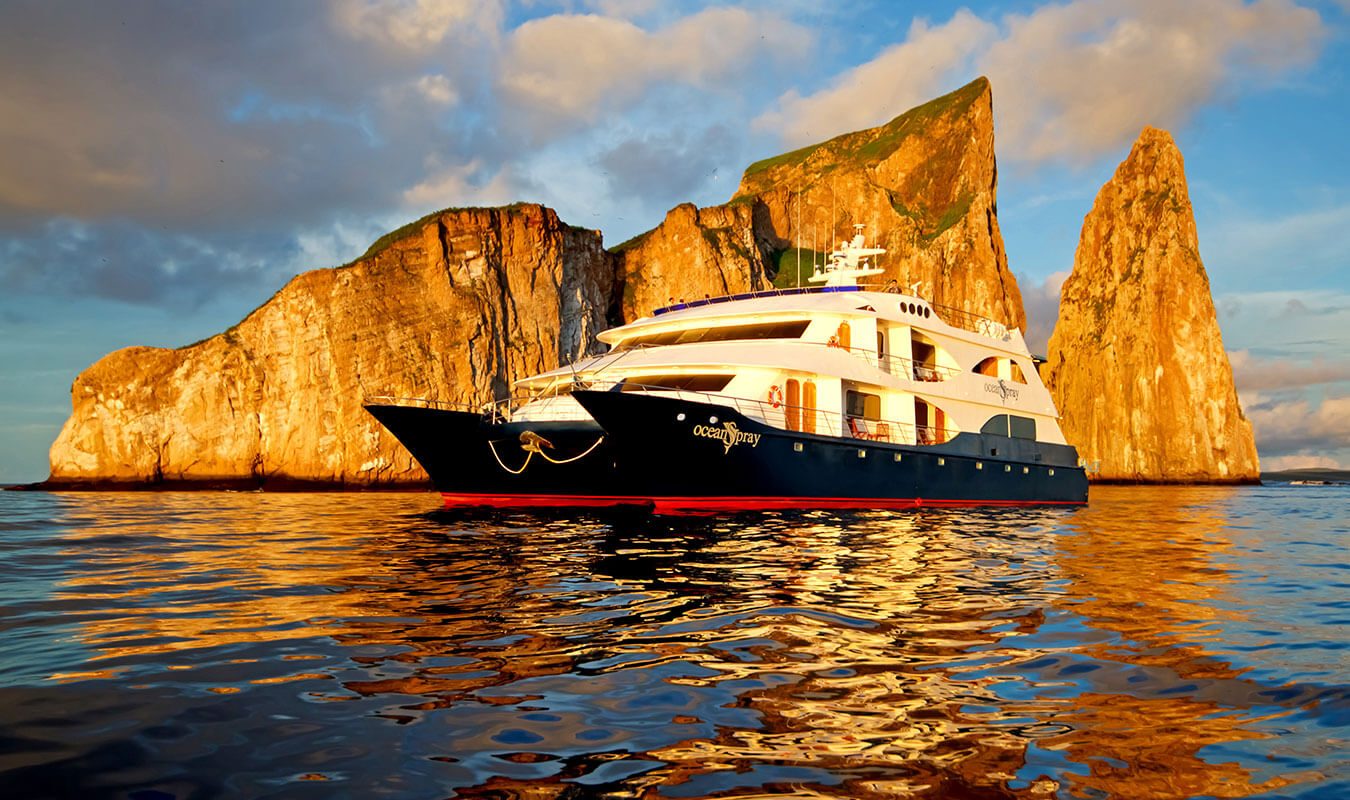
Cruise between volcanic islands where marine iguanas, blue-footed boobies, and giant tortoises ignore visitors, and snorkel alongside sea lions and reef sharks in clear Pacific water.
Three routes built around Quito as a base, each extending further into the highlands, jungle and islands. Days are ordered to keep drives logical and to pair nearby stops, so you spend less time backtracking between the Andes and the coast.
Walk the colonial plazas and churches of the old town on a guided city tour, roughly 3 hours; wear shoes for cobbled, sloped streets.
View guideVisit the equator monument and line-straddling exhibits north of the city, about 2 hours; buy tickets ahead to skip the queue.
View guideStroll this restored lane of workshops and balconies at dusk, around an hour, before heading back to your hotel.
Drive south for a full-day trip to the volcano, hiking toward the refuge at 4,800m; layer up, as weather shifts fast at altitude.
View guideCircle the flat highland lake inside the park, roughly 1 hour, watching for wild horses before the drive back.
Head north to the indigenous craft market for textiles and silver, about 3 hours; go early for the best stalls and haggling room.
View guideShort forest walk to the falls near Otavalo, under an hour, on the way back toward Quito.
Transfer to this adventure town for canyoning, rafting or the Casa del Arbol swing over the gorge.
View guideHike to the waterfall viewpoints along the Ruta de las Cascadas, about 2 hours.
Travel east into the rainforest by road and canoe to a jungle lodge; pack insect repellent and a dry bag.
View guideNight or dusk walk with a naturalist guide to spot insects, frogs and caimans, roughly 2 hours.
Fly from Quito to the islands and board a cruise or land-based tour; check your transit card and park fee documents.
View guideWet landing for sea lions and marine iguanas near your arrival island, about 2 hours.
Snorkel with rays, turtles and reef fish at a guided bay; the guide sets the pace for less confident swimmers.
Visit a reserve to see giant tortoises in the wild, roughly 2 hours.
One last guided landing before the flight back to the mainland; keep swimwear accessible in your day pack.
June through September is the single window that works best across the country: the Andes hit their driest, sunniest stretch, the coast cools into its dry season, Amazon rainfall eases from its March-July peak, and the Galapagos enters its calmer garua season, so a one-trip itinerary combining Quito, Cotopaxi, and the islands hits fewer weather compromises than any other months.
This is the clearest, driest stretch in Quito and the volcano corridor, overlapping with the country's broader June-September and December-January high season.
Warmer sea and sunnier mornings make this the better beach window, though March brings the heaviest downpours and highest humidity.
River levels peak March-July for canoe access into flooded trails, while the relatively drier window from August through February suits hiking but brings hotter, muggier afternoons.
Garua season (June-November) brings choppier seas and nutrient-rich waters favored by divers, while the warm season (December-May) offers calmer, clearer water better suited to snorkeling and families.
Ecuador runs cheaper than Peru or Colombia on the ground, since prices are dollarized and haven't been marked up for tourism the way some neighbors have. The mainland is affordable at any tier; the Galapagos is where budgets stretch.
Daily budget: Budget travelers can get by on roughly $30-55 a day, mid-range comfort runs $60-120, and luxury starts around $150, before factoring in a Galapagos extension, which is usually the largest single cost of the whole trip.
Ecuador's festival calendar runs from pre-Lent water fights to the Inca sun ceremonies of June and the Andean parades that close out the year, with three events worth building a trip around: Inti Raymi, Mama Negra and Fiestas de Quito.
Days before Ash Wednesday, Guaranda hosts water and foam battles plus a flower-float parade led by Taita Carnaval; hotel rooms in the Sierra towns book out early.
Kichwa communities in Otavalo, Cotacachi and Cayambe mark the solstice with ritual bathing, street dancing and communal pampamesa meals; Otavalo's guesthouses fill for the week, so book well ahead.
Latacunga's market vendors lead a procession honoring the Virgen de las Mercedes, a quieter, more devotional version of the festival than its November counterpart.
The bigger, more theatrical Latacunga parade features a man in blackface and silk skirts as Mama Negra, plus costumed characters, brass bands and firework displays; this is the version most visitors see, and Latacunga's limited lodging sells out fast.
A week of bullfights at Plaza de Toros, flamenco shows, parades and the crowning of the Reina de Quito lead up to the city's founding-day fireworks on December 6; expect packed hotels and streets in the historic center throughout.
Ecuadorian cooking splits between highland comfort food built on pork, potatoes, and corn, and coastal dishes centered on fish and citrus. In Quito, both traditions converge in the covered markets where families still eat lunch every day.
A tuna and yuca soup topped with pickled onion, widely considered Ecuador's national dish and typically eaten as a breakfast or hangover cure; look for it at market food stalls across Quito.
Whole roast pig marinated in chicha de jora and achiote, slow-cooked over coals and served with mote, salad, and llapingacho; try it at Mercado Central or the Iñaquito Market in Quito.
Pan-fried mashed-potato and cheese patties, usually served alongside meat and a fried egg; a stall run by longtime vendor Maria Escobar inside Mercado Central is known for them.
Whole roast guinea pig cooked over open coals until the skin crisps, reserved for special occasions in the Andes; found at highland markets and traditional Andean restaurants around Quito.
Shrimp cured in citrus with onion and tomato, served with popcorn or chifles; available at market seafood stalls and old-town eateries such as Hasta la Vuelta Señor.
A historic market on Av. Pichincha dating to 1952, where locals eat hornado, llapingachos, encebollado, and fresh corvina among fruit and juice stands.
Ecuador's better-known circuits leave out a handful of real, easily reached spots that reward a detour rather than a checklist visit.
A cable car strung across the Rio Nambillo drops hikers onto a trail network leading to several waterfalls, including Cascada Nambillo, away from the town's chocolate-tour crowds.
A working produce and food market near Plaza San Francisco where locals shop for tree tomatoes and panela and an upstairs food hall serves hornado; a limpia cleansing ritual is sometimes performed in one corner.
A small flower market tucked against a colonial church facade, worth a slow walk-through rather than a stop on a guided route.
A small Andean village at the low end of the Quilotoa loop, used as a starting or overnight point for the multi-day trek between Sigchos and the crater lake.
A farming village reached by crossing the Toachi River canyon on foot, roughly midway along the loop, where locro de papa (potato and cheese soup) is a common trailside meal.
Neighboring highland towns where Gualaceo's market sells handwoven ikat shawls and Chordeleg's plaza is lined with silver-filigree jewelry workshops.
In 1534, Spanish captain Sebastián de Benalcázar arrived to claim a northern Inca stronghold. The Inca general Rúmiñahui had already burned it to the ground rather than surrender its granaries. From that ash the conquistadors laid out San Francisco de Quito over Inca foundations. Straight colonial streets followed older ceremonial axes. Ecuador Tours today trace this doubled ground, where Andean stonework carries Baroque façades. Through the 17th century a distinct workshop tradition matured: the Quito School. Indigenous carvers and mestizo painters, trained by Franciscan friars, fused European Counter-Reformation form with local pigment, cedar, and gilding. Figures such as Bernardo de Legarda and the sculptor Manuel Chili, known as Caspicara, gave sacred images dark skin and Andean faces. A polychrome Quito landmarks tour reveals gold-leaf altars beside indigenous iconography. This synthesis defined the colonial center for two centuries. Many Quito attraction tours still open with these gilded interiors. On 8 September 1978, UNESCO named Quito among the first two sites ever inscribed on the World Heritage List, recognizing the least-altered historic center in Latin America. That founding designation anchors the demand for guided Ecuador Tours tours through the old quarter. Restoration since the 1980s stabilized more than 130 monumental buildings. A well-planned Ecuador Tours tour connects convent, plaza, and cloister on foot. Visitors booking Ecuador Tours tickets encounter the result directly: cobbled lanes below Panecillo hill, the volcanic-stone bell towers, and altarpieces where an Inca sun still hides in Christian gold. What survives is a whole living city, not a ruin.
Benalcázar founds San Francisco de Quito atop the razed Inca settlement burned by Rúmiñahui.
Franciscan friars establish workshops that seed the Quito School of art.
Caspicara and Bernardo de Legarda produce polychrome sculpture fusing Andean and European form.
Quito's 10 August uprising marks an early cry for independence from Spain.
UNESCO inscribes Quito on its first World Heritage List, 8 September.
Large-scale restoration stabilizes the colonial center's monumental buildings.
Ecuador offers an incredible diversity of attractions, ranging from the unique wildlife of the Galapagos Islands and lush Amazon rainforest tours to historic Andean cities like Quito and Cuenca.
Consider your primary interests. Nature and wildlife lovers should prioritize the Galapagos Islands or the Amazon, while history and culture buffs will fall in love with Quito's UNESCO-listed Old Town and local indigenous markets.
The dry season (June to September) is ideal for exploring the Andean highlands and Quito. The Galapagos Islands and the Amazon are fantastic year-round, though wildlife viewing experiences change depending on the month.
It is highly recommended to book guided tours, especially for the Galapagos Islands, Amazon lodges, and popular day trips like the Cotopaxi volcano, well in advance online to secure your dates and lock in the best rates.
Many museums, city centers, and interactive sites like the Mitad del Mundo are very family-friendly and offer accessible paths. However, high-altitude volcano hikes and deep jungle treks may have physical limitations.
Domestic flights are the most efficient way to travel between the mainland, the Galapagos, and the Amazon basin. For intercity travel in the Andes, comfortable tourist buses and private drivers are both affordable and scenic.
While nationwide sightseeing passes are rare, many local tour operators offer bundled packages that combine guided city tours, museum entries, and full-day nature excursions at a significantly discounted rate.
Start your sightseeing early in the morning, particularly at highly visited spots like the Otavalo Market or the equator line. Visiting major monuments on weekdays instead of weekends also guarantees a much quieter experience.
Choose from amazing attractions and create unforgettable memories in this beautiful city
Book Your Experience Now