9 hr
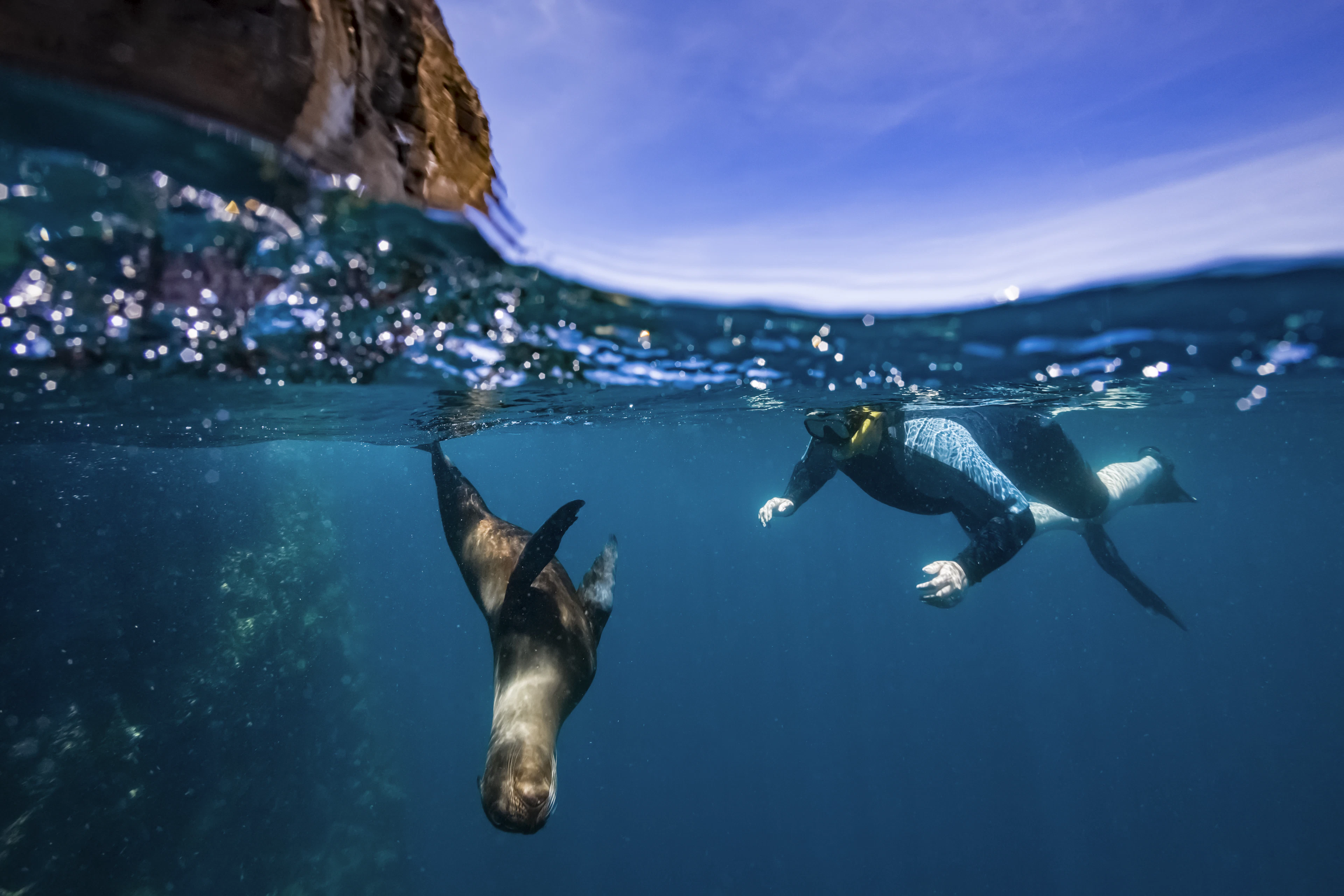
San Cristobal 360° Full-Day Island Expedition
- Expert local guide
- Small group
- Skip-the-line access
- Free cancellation
Galapagos Cruises — Reserved Sailings Across the Archipelago
Where the current carries you, wildlife waits ashore.
Compare fares, pick the fit — all bookings are mobile-voucher and eligible for free cancellation where shown.
9 hr
10 hr
6 hr
Choosing among Galapagos cruises starts with picking a vessel class, since the four recognized categories shape cabin size, guide expertise, and daily cost on your Ecuador island tour. This official class matrix compares Economy, Tourist Superior, First Class, and Luxury so first-timers researching Galapagos cruises tours can match a yacht to their budget and priorities.
| Tourist Superior Mid-range yachts |
Top pick First Class High-end yachts and catamarans |
Luxury Top-tier ships | |
|---|---|---|---|
| Cabin comfort | Small private cabins, basic beds | Bigger cabins, twin or double beds | Spacious cabins, king beds, some balconies |
| Guide quality/ratio | Certified naturalist guides, standard ratio | Level III guides, multilingual, small groups | Level III guides, low passenger-to-guide ratio |
| Passenger capacity | 16–40 passengers | 16–20 passengers typical | 10–20 passengers, intimate groups |
| Onboard amenities | Sun deck, basic common areas | Lounge, sun deck, bar, sometimes jacuzzi | Jacuzzi, spa, kayaks, gourmet dining |
| Typical daily price | 150–300 USD per person | 400–650 USD per person | 800–1000 USD per person |
| Best for | Budget-conscious travelers | First-time visitors wanting comfort and value | Travelers prioritizing space and service |
| See tickets & prices |
Verdict: First-time visitors booking Galapagos cruises tickets typically get the best balance of comfort, guiding, and cost on a First Class vessel, while tighter budgets suit Tourist Superior and travelers wanting maximum space should choose Luxury.
Worth it for wildlife-focused, budget-ready travelers
Galapagos cruises are a genuine splurge, not a casual weekend. Beyond the flights and the 200 USD national park entrance fee (foreign adult, cash only at the airport), a multi-day sailing runs into the thousands, and that is before drinks or gratuities. What you buy is access: remote islands and snorkeling sites that day-trippers never reach, guided landings among sea lions, marine iguanas, and blue-footed boobies at close range. For a naturalist or a once-in-a-lifetime traveler, that reach pays off; the wildlife encounters justify the outlay in a way few Ecuador landmarks can. Budget travelers and families juggling four fares will feel the sting, and some LSI-worthy sites are reachable cheaper from land. If your priority is undisturbed wildlife and you can absorb the cost, Galapagos cruises tours deliver. Casual sightseers should weigh a Galapagos wildlife tour or shorter option before committing.
Bottom line: For serious wildlife travelers who can absorb the price, Galapagos cruises tickets earn every dollar; casual sightseers should compare cheaper land-based options first.
Both explore the same archipelago, but they suit different travelers: most visitors who want remote, cruise-only islands and a fixed daily rhythm pick Galapagos cruises, while those who get seasick or want daily freedom choose land-based island-hopping tours.
|
Top pick Galapagos Cruise |
Land-Based Island Hopping | |
|---|---|---|
| What you access | Remote islands (Fernandina, Genovesa) reachable only by boat | Inhabited islands only (Santa Cruz, Isabela, San Cristobal, Floreana) |
| Daily flexibility | Fixed itinerary set by park-regulated route | Choose hotels, pace, and daily excursions yourself |
| Seasickness risk | Real, especially on smaller vessels | Minimal — you sleep on solid ground each night |
| Typical cost structure | One all-inclusive package payment, higher upfront | Costs split across hotels, meals, tours separately |
| Best for | Travelers prioritizing remote wildlife and efficiency | Families, budget travelers, those prone to motion sickness |
| Accommodation style | Cabin aboard ship, changes location nightly | Hotel room on land, same base most nights |
| See tickets & prices |
Verdict: Choose a cruise for access to remote, cruise-only islands and a hassle-free fixed schedule; choose land-based island hopping for flexibility, lower seasickness risk, and control over your daily pace.
Hand-picked experiences loved by thousands of travelers
4 days
Free Cancellation
Discover the Galápagos Islands on a 4-day premium tour featuring giant tortoises, volcanic hikes, and crystal-clear swimming pools.
3 hours
Free Cancellation
Discover the Galapagos wonders with a guided tour of tortoise reserves and ancient volcanic lava tunnels.
7 days
Free Cancellation
Discover the magic of the Galapagos on a 7-day multi-island adventure featuring premier snorkeling, volcanic hikes, and tortoise encounters.
Land at Baltra or San Cristobal, pay the 200 USD national park entrance fee in cash, and clear biosecurity inspection
Bus and short ferry connect the airport to the port where Galapagos cruises depart, or a direct transfer if starting from San Cristobal
Check in with the crew, stow luggage in the cabin, and attend the mandatory safety briefing
Alternate wet and dry landings at visitor sites with a certified naturalist guide, including hikes and snorkeling stops
Snorkel among sea lions, rays, and reef fish, then observe land species like giant tortoises or marine iguanas on shore
Return to the departure airport by boat and bus transfer for the flight back to mainland Ecuador
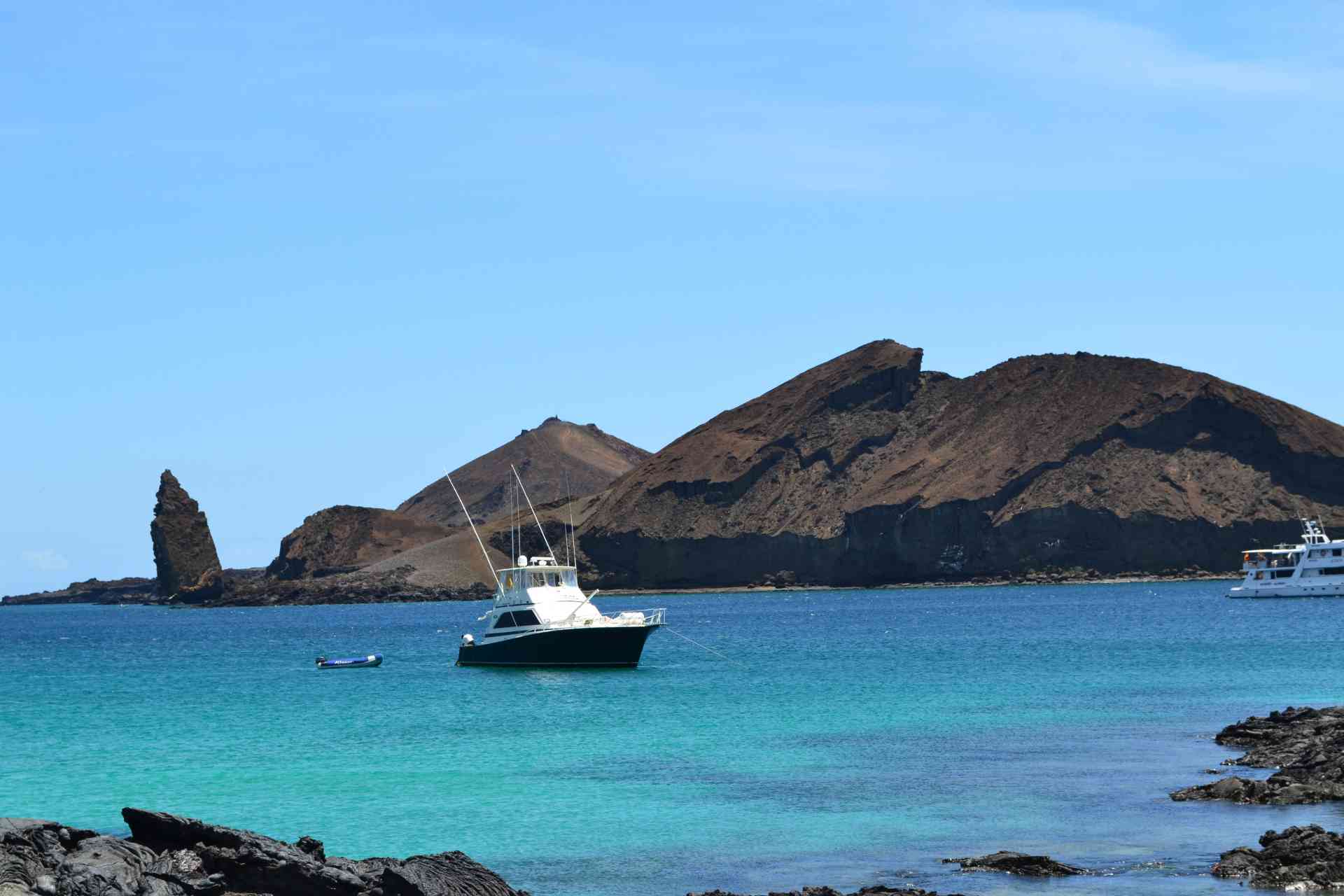
A narrow volcanic spire rising above Sullivan Bay, reached by climbing 372 wooden steps to a summit viewpoint overlooking black lava flows and twin sandy beaches. The site has appeared in film productions for its stark, moon-like scenery.
A cliffside trail on the archipelago's oldest island where waved albatross nest in numbers estimated between 25,000 and 30,000 individuals between April and December. A blowhole along the route can send seawater roughly 30 meters into the air at high tide.
A split volcanic tuff formation rising more than 140 meters from the ocean off San Cristobal's coast, formed from an eroded lava cone. Landing is not permitted, but boats circumnavigate the rock for close views of nesting boobies and frigatebirds, and snorkelers regularly spot hammerhead sharks in the channel between the two rock walls.
A small volcanic cone off Santiago Island whose shape resembles a traditional conical hat, with a white coral-sand beach hosting a resident sea lion colony. A capped visitor limit keeps the short coastal trail among the least crowded stops on many itineraries.
A stretch of white-sand beach on the archipelago's oldest island, known for large resting groups of sea lions and green sea turtles feeding just offshore. Snorkeling here regularly brings close encounters with juvenile sea lions in shallow water.
A scientific station on Santa Cruz Island operating a giant tortoise breeding program that has helped repopulate several island subspecies since captive breeding began decades ago. Self-guided trails let visitors view tortoises of different age classes up close at no charge.
You land at the airport in the morning, where staff check your papers and biosecurity before you reach the water. You pay the National Park entrance fee in cash, then a panga ferries you out to the waiting vessel anchored offshore. By afternoon you have swapped shoes for wet-landing sandals and stepped onto a black-sand beach where sea lion pups roll within an arm's length and ignore you entirely. On a Galapagos cruises tour the rhythm sets itself. You wake to a naturalist's briefing, then follow a marked trail past nesting blue-footed boobies, careful to keep the required distance. You snorkel over a reef where a green turtle glides beneath you and a penguin flickers past, faster than you expect. Midday you return to the ship, eat, and repeat the pattern at a second island the same afternoon. At night the vessel repositions while you sleep, so you wake anchored somewhere new. You climb a lava trail to a viewpoint, watch marine iguanas sneeze salt in the sun, and photograph a land iguana the colour of rust. By the final evening you have counted species you could not name a week earlier, and the horizon still holds islands you did not reach.
All the details about your upcoming adventure in one place
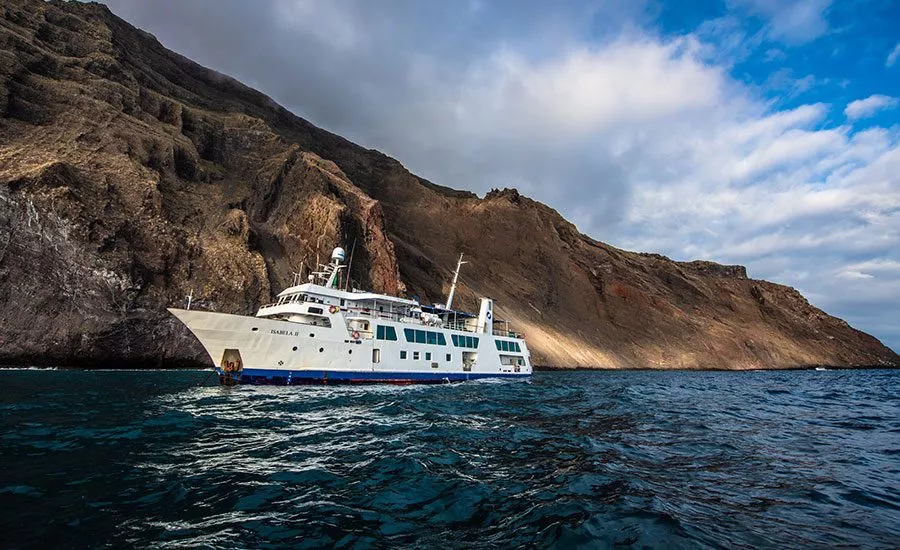
Galapagos cruises depart from ports near Baltra and San Cristobal, carrying travelers between the archipelago's volcanic islands under the guidance of certified naturalist guides. These live-aboard voyages through the marine reserve reach remote landing sites that day trips cannot access, from the highlands of Santa Cruz to the shores of Isabela. Galapagos cruises tours are operated within a UNESCO World Heritage zone, so every route follows Galapagos National Park visitor regulations.
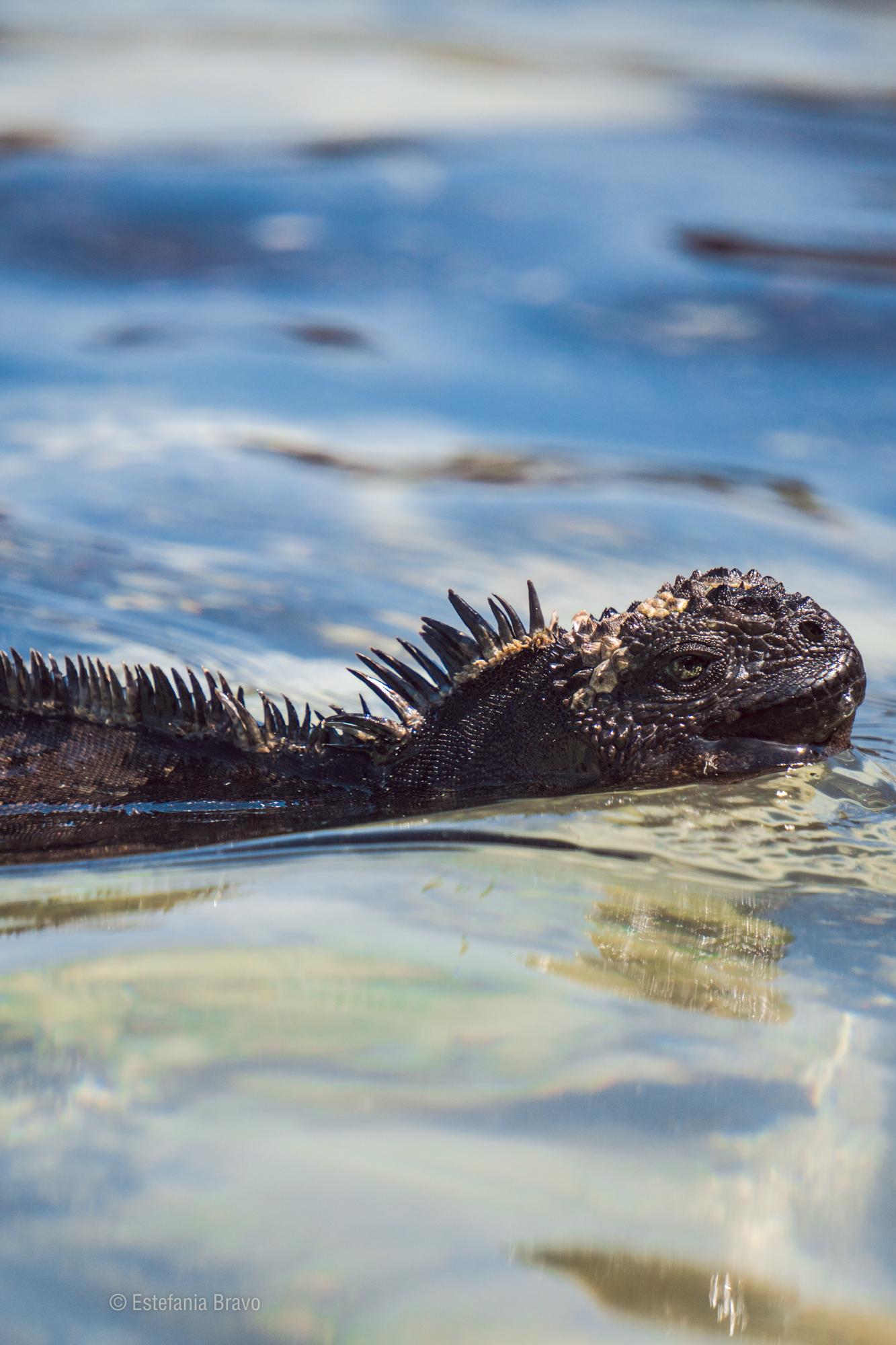
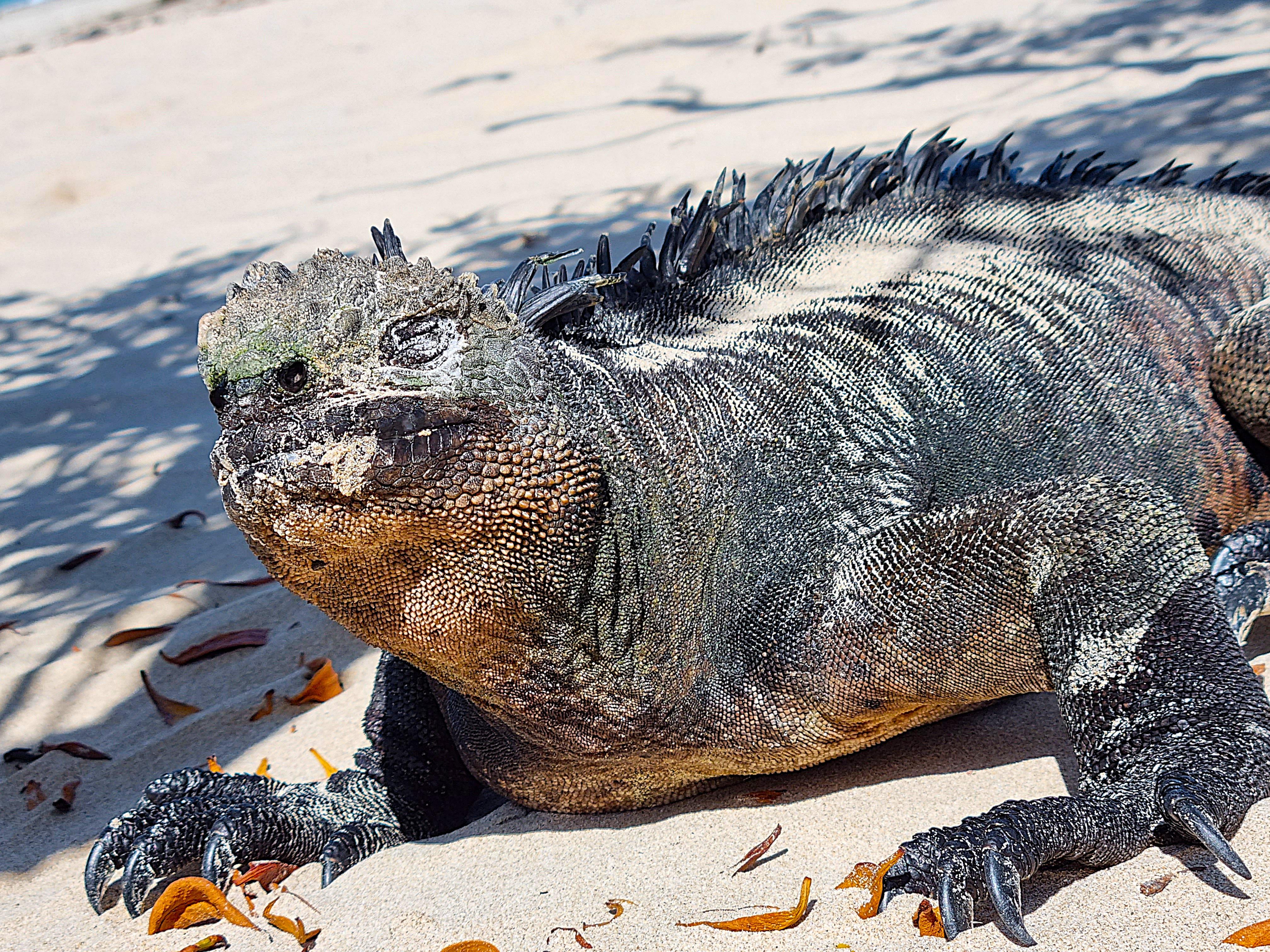
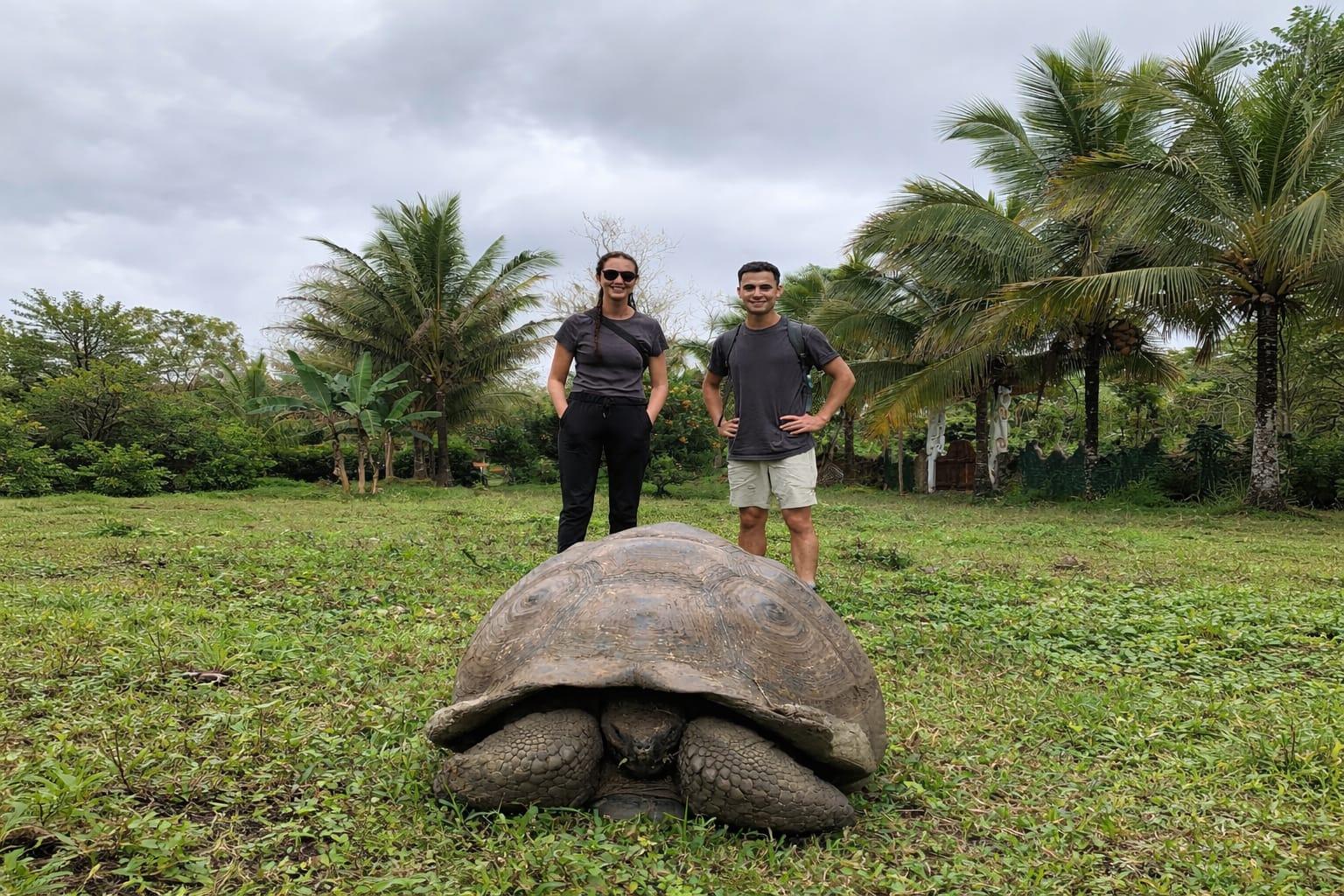
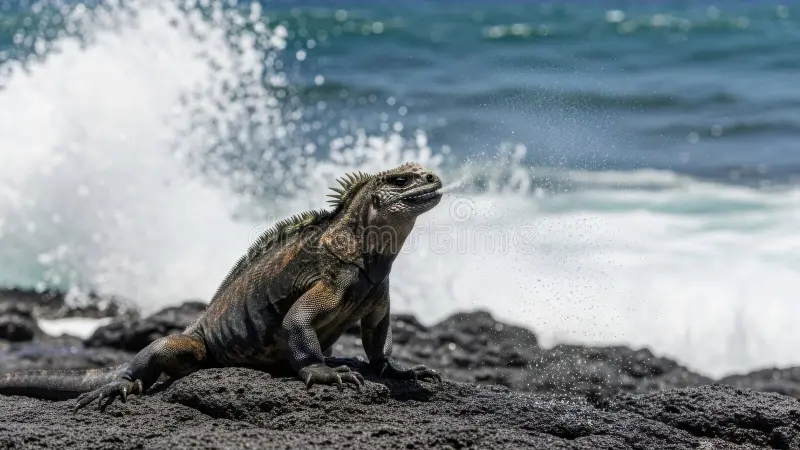
The Galapagos archipelago sits roughly 1,000 kilometres off Ecuador's mainland coast, straddling the equator across the Pacific in the Galapagos Province. Thirteen major islands and more than 100 smaller islets rose from underwater volcanoes over the Nazca tectonic plate, and the youngest, Fernandina and Isabela, still bear active craters. Galapagos cruises exist because these landmasses were never connected to any continent; every species that reached them arrived by wind, wing, or water, then diverged in isolation. Charles Darwin spent five weeks here in 1835 aboard HMS Beagle, and the finches, mockingbirds, and tortoises he catalogued later shaped his theory of natural selection. Ecuador declared the islands a national park in 1959, the centenary of Darwin's publication, and UNESCO inscribed the archipelago as a World Heritage Site in 1978. Today the park regulates every landing site and requires certified naturalist guides, which is why a Galapagos wildlife cruise remains the primary way to reach the outer, uninhabited islands. A crucero Galapagos moves at night between visitor sites, delivering passengers to shores no day-boat can reach. The endemic roster is the reason travellers cross an ocean. Giant tortoises, whose Spanish name galápago gave the islands their title, can weigh over 250 kilograms and live beyond a century. Marine iguanas, the only sea-going lizards on Earth, graze submerged algae along the lava coasts of Fernandina. Flightless cormorants, whose wings shrank to stubs in the absence of predators, cling to the western shores, while blue-footed boobies perform their courtship stamp on Española and North Seymour. Waved albatrosses nest almost exclusively on Española's cliffs, and Galapagos penguins, the only penguin species living at the equator, dart through the cool Cromwell Current. Because the islands span nearly 60,000 square kilometres of ocean, wildlife differs sharply from one anchorage to the next. The eastern islands are older and eroded; the western ones remain raw and volcanic, ringed by nutrient-rich upwellings that draw whales, sea lions, and hammerhead schools. A Galapagos cruise tour threads these contrasts into a single route, pairing dry-landing walks among land iguanas with wet landings onto beaches crowded with pups. Galapagos cruises tours are the reason the archipelago's biological wealth stays legible: on land you meet the tortoises and finches, beneath the surface the rays and reef fish, and offshore the seabirds that made this ocean their whole world. This concentration of endemic life, unbothered by human presence, is what the crossing preserves.

Every species that reached these islands arrived by wind, wing, or water, then diverged in isolation.
Lightweight, quick-dry clothing works best across most Galapagos cruises, since wet landings from pangas are routine and swimwear often stays on under a rash guard. Closed-toe water shoes or reef-friendly sandals help on lava rock trails at sites like Bartolome and Sombrero Chino, and a light rain jacket covers the garua mist common in cooler months.
All checked and carry-on bags are screened for organic material at mainland airports before flying to Baltra or San Cristobal, and again at the National Park biosecurity checkpoint on arrival in the islands. Small dry bags are recommended onboard tenders and pangas since seawater spray is common during wet landings.
Photography is permitted at every visitor site included on Galapagos cruises, but flash photography is prohibited around nesting seabirds and marine iguanas to avoid disturbing wildlife. National Park rules require staying at least two meters from animals, so a zoom lens is more useful than approaching for a close shot.
Children are welcome on most Galapagos cruises, with many vessels setting a minimum age between 4 and 7 years due to panga transfers and snorkeling components. Family cabins and shorter hiking options are available on select itineraries, and children under 12 pay a reduced 100 USD national park entrance fee.
Many visitor sites reached by Galapagos cruises involve wet landings onto beaches or dry landings onto uneven volcanic rock, including staircases such as the 372-step climb to Pinnacle Rock on Bartolome. Travelers with mobility limitations should ask operators in advance which itineraries favor calmer, flatter sites like Gardner Bay on Espanola.
Meals on Galapagos cruises are included and prepared onboard, typically featuring fresh seafood and Ecuadorian dishes served buffet or plated style depending on vessel class. Bottled and filtered water is provided onboard, while food and fresh produce cannot be brought into the islands due to strict biosecurity rules protecting native ecosystems.
Islands accessible daily, park sites follow guide schedules
Mid-week, lighter cruise embarkation traffic
Weekend cruise turnovers begin
Peak embarkation and disembarkation day
Best arrival window
08:00–10:00, airport opens early for park fee payment and biosecurity checks;location
Public transport · About 1 hour total · Bus $5, ferry $1
A public bus meets arriving flights at Baltra Airport and runs about 10 minutes to the Itabaca Channel, where a passenger ferry crosses to Santa Cruz Island in roughly 5-10 minutes, followed by a second bus to Puerto Ayora's San Francisco Park.
Taxi · Approximately 45 minutes · Flat $25 per truck
White pickup-truck taxis wait at the Itabaca Channel dock and cover the 42-kilometer highland road to Puerto Ayora directly, splitting the fare among up to four passengers.
Ferry (inter-island) · About 2 hours between islands · Around $30-35 per person
Speedboats connect Santa Cruz to San Cristobal and Isabela islands for travelers combining land stays with Galapagos cruises, departing from the main piers roughly twice daily.
Walk · 10-20 minutes · Free
Puerto Ayora's pier, dive shops, and restaurant strip along Avenida Charles Darwin are walkable from most in-town hotels.
Cancellation terms vary by operator, but most Galapagos cruises require notice of 60-90 days before departure for a partial refund, with fees becoming non-refundable inside 30 days. The 200 USD national park entrance fee is paid directly to park authorities on arrival and is separate from any cruise-line refund policy.
Recommended time
8-15 days
A 4-day itinerary really delivers about two full days at sea once arrival and departure travel are subtracted, enough for a taste of central islands and core wildlife highlights. The 5-8 day band is where most Galapagos cruises settle, covering outer islands like Fernandina and Isabela's remote coves with real time to snorkel and hike between landings. Push to 9-15 days and the itinerary can circle the archipelago without repeating a single visitor site, ideal for birdwatchers chasing multiple species across zones. Because every cruise begins with the mandatory early airport arrival for park fee payment and biosecurity checks, add a buffer night in Quito or Guayaquil beforehand, and treat the first and last cruise days as half-days rather than full excursion days when comparing Galapagos cruises tours by length.
Crowd levels through the day
Weather · crowds · average price — dots go green to amber to red as each metric rises.
Warmer water and calmer seas define this period, with air temperatures around 25-30°C. Waved albatross nesting on Espanola runs from roughly April through December, and this stretch also brings the highest chance of sunny, dry days between Galapagos cruises.
The cooler, drier garua season brings misty mornings and water temperatures near 18-22°C, which draws more marine life including hammerhead sharks near Kicker Rock. Seas can be choppier, so this period suits travelers less prone to motion sickness.
Peak Northern Hemisphere summer holidays bring the year's heaviest demand for Galapagos cruises tours, so cabins book out months ahead. Blue-footed booby courtship displays are commonly observed on North Seymour during these months.
A relatively quiet shoulder month with cooler water and fewer crowds compared to the July-August peak, making it a practical window for last-minute Galapagos cruises tickets.
Sea turtle nesting season begins on beaches such as Gardner Bay, coinciding with the return of warmer water and the build-up toward the busy holiday travel period.
Park officials at the airport reject torn or faded bills, so carry the 200 USD entrance fee in clean, newer notes along with smaller denominations for buses and ferries.
Baltra Island, Galapagos Province, Ecuador
Where the national park fee is paid and biosecurity checks occur before transfer to the vessel
Get directionsAvenida Charles Darwin, Puerto Ayora, Santa Cruz Island
Common embarkation and disembarkation point for Santa Cruz-based Galapagos cruises
Get directionsPuerto Baquerizo Moreno, San Cristobal Island
Alternative embarkation point for itineraries starting near Kicker Rock and Espanola
Get directionsThe archipelago entered scientific record long before it drew travellers. Spanish bishop Tomás de Berlanga sighted the islands by accident in 1535, drifting off course toward Peru. For three centuries the volcanic outcrops served whalers, buccaneers, and giant-tortoise hunters, who stripped the fauna without restraint. The turning point arrived in September 1835, when Charles Darwin landed aboard HMS Beagle. His five-week survey of finches and mockingbirds seeded the theory published as On the Origin of Species in 1859. That intellectual weight would later shield the islands. Ecuador annexed the archipelago in 1832, three years before Darwin. Settlement stayed sparse and often grim; the 1930s Floreana affair, with its vanished baroness and mysterious deaths, drew lurid press. Formal protection came in 1959, the Darwin centenary, when Ecuador declared 97 percent of the land a national park. The Charles Darwin Research Station opened at Puerto Ayora in 1964. UNESCO inscribed the site as one of its first World Heritage listings in 1978, and a marine reserve followed in 1998. These milestones frame every account of Galapagos cruises tickets sold today. Regulated navigation shaped the modern experience. Tourism began in earnest around 1969, and authorities capped visitor sites, fixed guide ratios, and licensed vessels to limit impact. Small-ship itineraries emerged as the compliant model, and the naturalist-led Galapagos Islands cruise became the standard way to reach outer islands lawfully. The 2007 UNESCO danger listing, lifted in 2010, tightened biosecurity and quotas further. Today a Galapagos cruises tour operates under strict zoning, and the disciplined Galapagos cruises tours fleet reflects decades of controversy over introduced species and migration. What survives is a governed archipelago where the endemic wildlife Darwin catalogued remains legible. The park entrance fee, cash-collected at arrival, funds the conservation apparatus, and this history explains why Galapagos cruises remain the defining route through Ecuador's protected islands.
Bishop Tomás de Berlanga sighted the islands by accident en route to Peru.
Ecuador formally annexed the archipelago and named it the Archipiélago de Colón.
Charles Darwin surveyed the islands over five weeks aboard HMS Beagle.
Ecuador declared 97 percent of the land a national park on Darwin's centenary.
The Charles Darwin Research Station opened at Puerto Ayora on Santa Cruz.
UNESCO inscribed the islands among its first World Heritage sites.
A protective marine reserve was established around the archipelago.
UNESCO listed the site as endangered, then removed it after stricter controls.
Real experiences from real travelers
We booked one of the smaller Galapagos cruises with only sixteen guests and the intimacy made a huge difference. Each morning the naturalist woke us before six for a panga ride, and the water was so still you could hear sea lions breathing nearby. The heat built fast by midday so the shaded deck became everyone's favorite spot.
The Galapagos cruises tour delivered on wildlife far beyond what I expected, with blue-footed boobies nesting right along the trail on North Seymour. Cabins on the older vessels run small so pack light. Our guide knew every endemic species by name and never rushed us.
Sailing between islands overnight meant we woke somewhere new each day, which I loved. The marine iguanas on Fernandina were larger than any photo prepared me for, spitting salt in the morning sun. Booking a Galapagos landmarks itinerary that included the western islands was the right call for us.
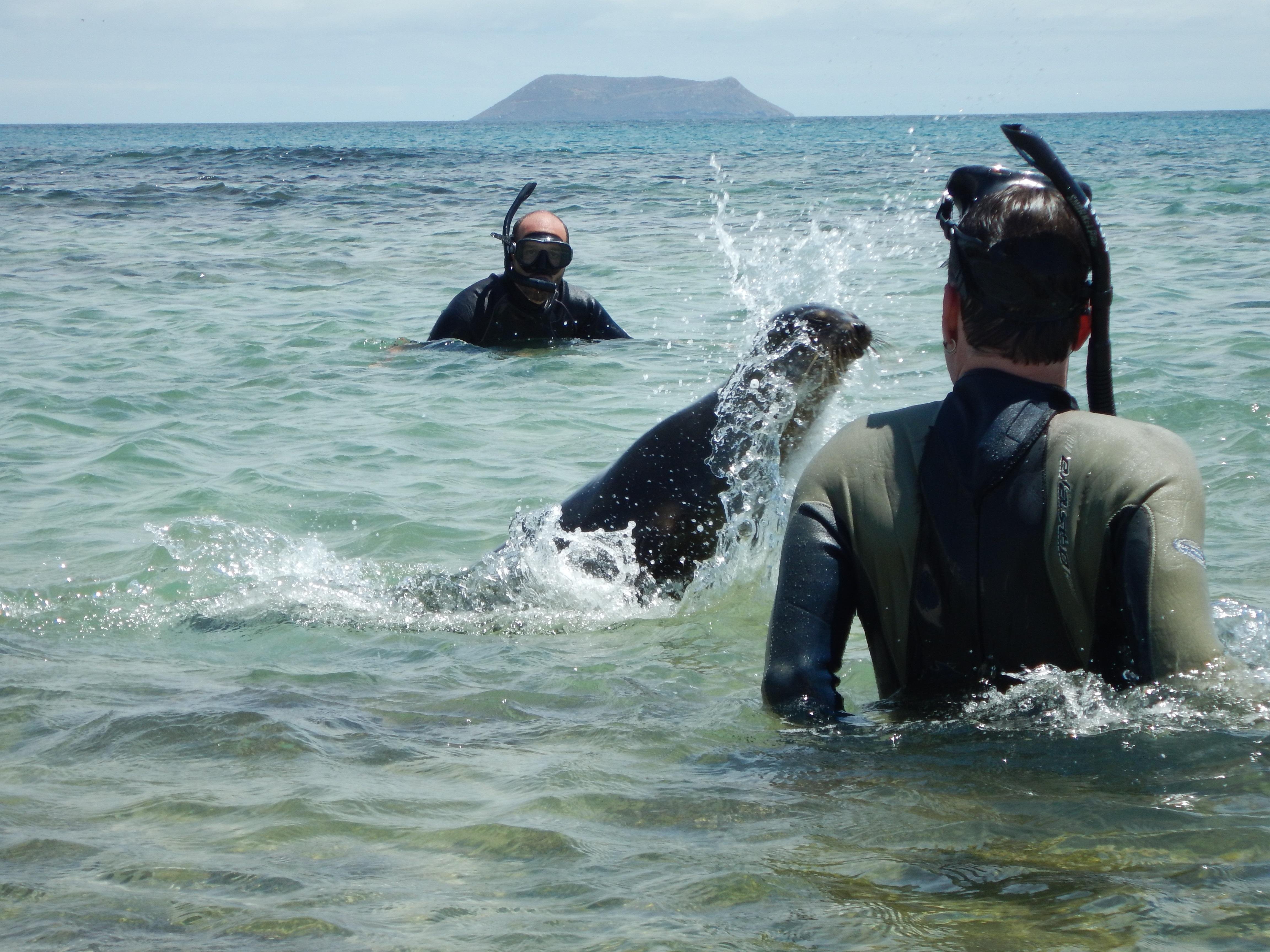
Snorkeling straight off the expedition ship was the highlight, with young sea lions looping around us in the clear water near Santiago. The crew handled everything from wetsuits to hot chocolate afterward. I compared several Galapagos cruises tickets before booking and the mid-size catamaran felt like the sweet spot.
Our certified guide turned every landing into a lesson, pointing out finches most of us would have walked past. The afternoon light on Espanola turned the cliffs gold while waved albatrosses came in to land. Seas were a little rough crossing to Genovesa so bring motion sickness tablets.
What surprised me most about the Galapagos cruises experience was how unhurried it felt despite packed days. We snorkeled with white-tipped reef sharks in the morning and walked among giant tortoises in the highlands by afternoon. The equatorial sun is relentless, so a wide hat earned its keep.
Travelling in early December meant fewer boats at each landing site and calmer water on the eastern route. Frigatebirds puffed their red throats along the cliffs of Genovesa while our small ship rocked gently at anchor. A solid Galapagos cruises tours option if you want wildlife without peak-season crowds.
The endemic species density here is unlike anywhere else, from Sally Lightfoot crabs scattering across black rock to boobies diving in formation. Our naturalist timed the landings to avoid the harshest heat. Nights sailing under a sky thick with stars off Isabela stayed with me.
Standing on Fernandina surrounded by hundreds of marine iguanas felt like another planet, all under a hazy tropical sky. The panga navigated mangrove channels where we spotted sea turtles and rays. Choosing a route with the western islands made these Galapagos cruises well worth the extra days.
Sea turtles glided beneath our dinghy nearly every morning and the guide always knew where the wildlife would be. The vessel was comfortable though the wifi barely worked, which honestly forced a welcome disconnect. Bring reef-safe sunscreen because the equatorial sun is no joke.
Everything you need to know for your journey
The islands themselves are accessible year-round with no set closing time, but individual visitor sites follow the schedule set by your onboard naturalist guide and the National Park.
No, the 200 USD national park entrance fee is paid separately in cash at the airport and is not bundled into most Galapagos cruises tickets.
Some visitor sites involve wet landings and uneven volcanic terrain, including staircases like the 372 steps on Bartolome, so travelers with mobility concerns should confirm the specific itinerary with their operator in advance.
Fresh fruit, vegetables, seeds, nuts, soil-contaminated footwear, and live plants are all prohibited due to biosecurity rules protecting the islands' ecosystem.
Standard camera bags and gear are permitted onboard Galapagos cruises tours, though a waterproof cover is useful during panga transfers and wet landings.
December through May offers warmer water and calmer seas, while June through November brings cooler, nutrient-rich water that draws more marine wildlife near sites like Kicker Rock.
Lightweight, quick-dry clothing, closed-toe water shoes, and a light rain jacket cover most conditions encountered on Galapagos cruises.
Yes, meals are included onboard and typically feature fresh seafood and Ecuadorian dishes, while food and produce cannot be carried into the islands from outside.
Most travelers fly into Baltra or San Cristobal, then take a short bus and ferry combination to reach the embarkation pier, arriving in the 08:00–10:00 window recommended for fee payment and biosecurity checks.
Yes, many operators welcome families, though minimum age requirements between 4 and 7 years are common due to panga transfers and snorkeling activities.
Refund terms vary by operator, but most require 60-90 days notice before departure for a partial refund, while the national park entrance fee itself is paid separately and is non-refundable once collected.
Nearby sites like the Charles Darwin Research Station, Tortuga Bay, and Las Grietas near Puerto Ayora pair well with a multi-day cruise itinerary.
A working tortoise-breeding facility on Santa Cruz where visitors view juvenile giant tortoises and learn about island conservation programs. Entry is free and self-guided trails wind through native scalesia forest.
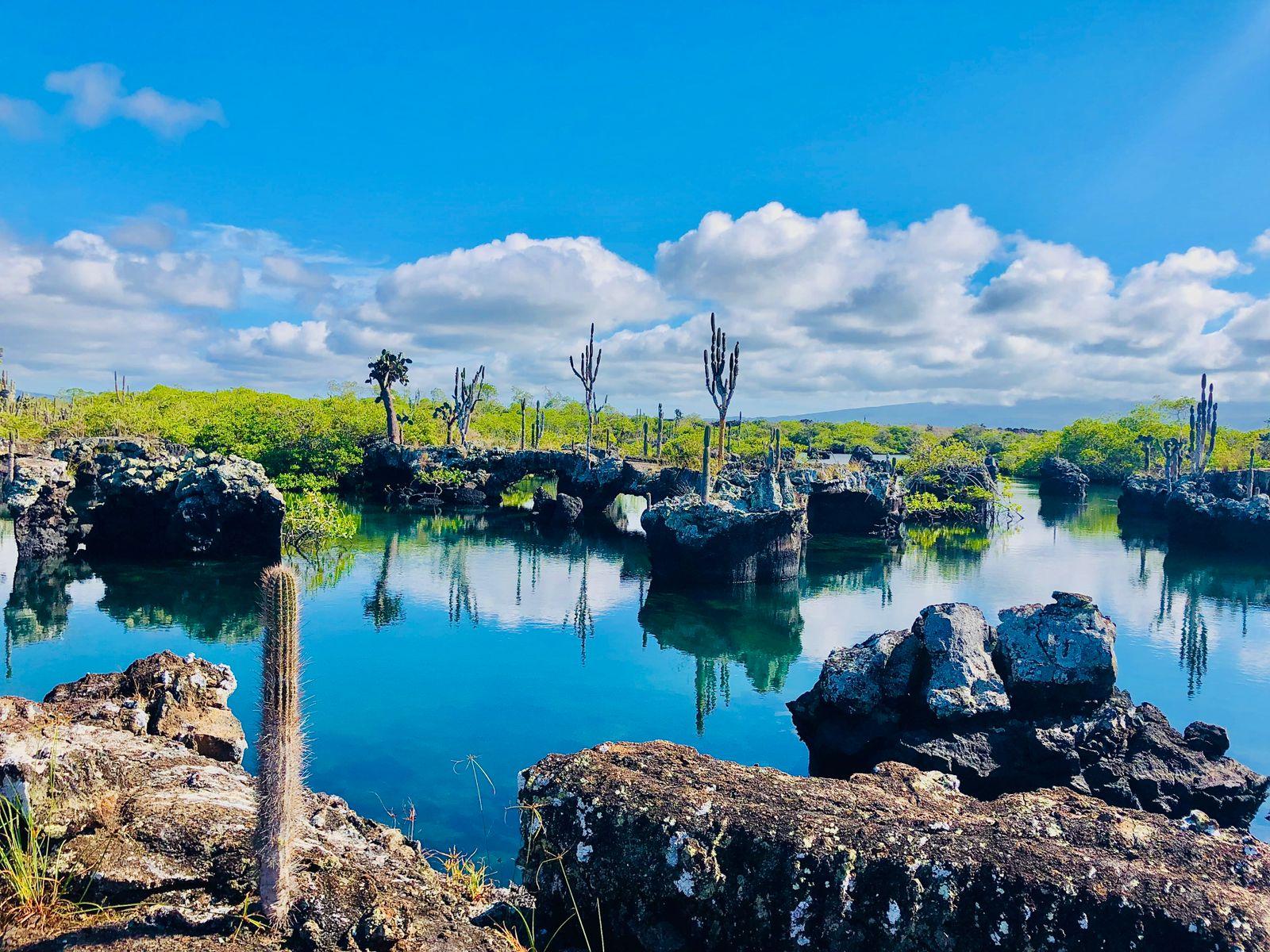
A narrow volcanic rock canyon filled with clear brackish water near Puerto Ayora, popular for swimming and cliff-jumping. Reaching it involves a short water-taxi ride followed by a rocky footpath.
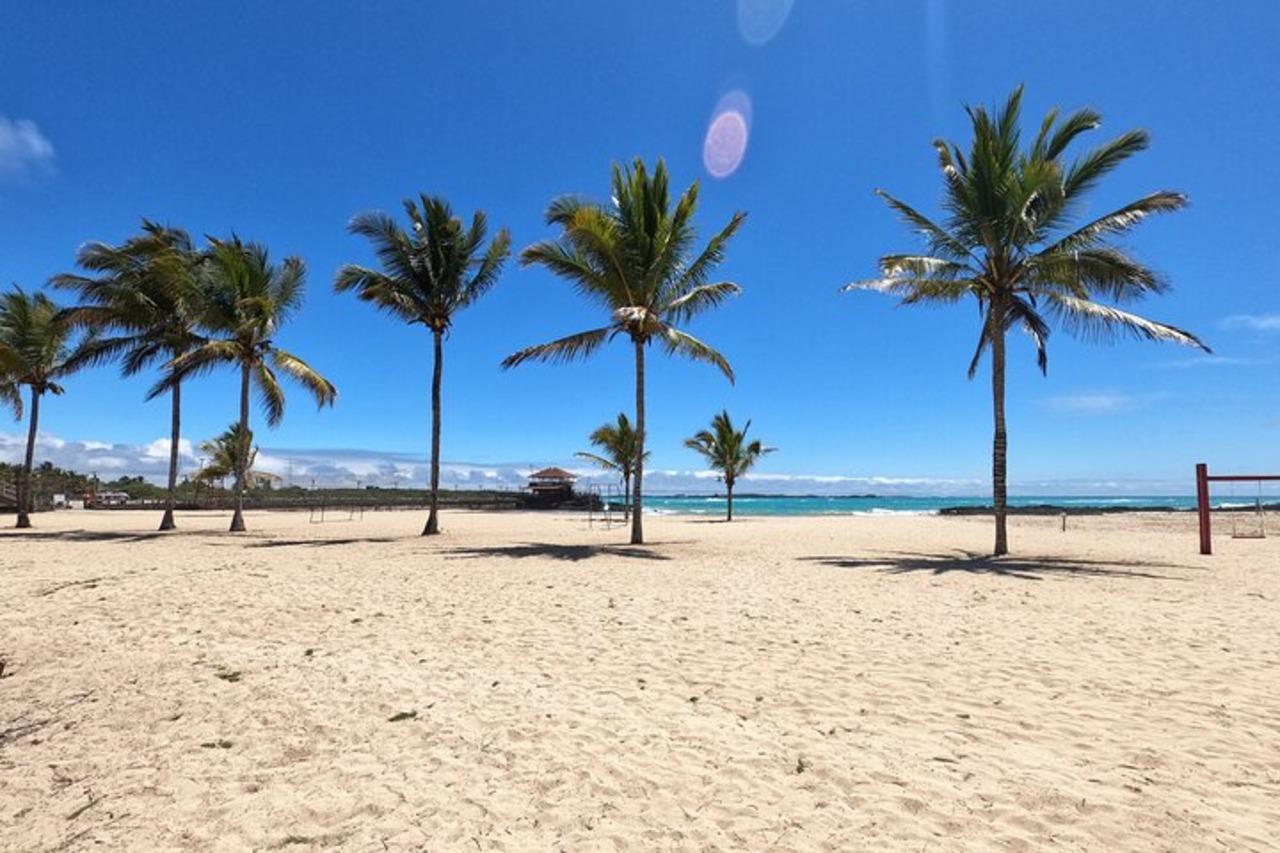
A long white-sand beach reached via a paved trail through cactus forest, ending at calmer waters suited to swimming past the mangroves. Marine iguanas commonly bask along the rocks near the entrance.
A freshwater crater lake in the San Cristobal highlands, one of the few permanent freshwater bodies in the archipelago. Frigatebirds are frequently seen bathing here.
Twin sinkhole craters formed by collapsed magma chambers, surrounded by miconia and scalesia cloud forest home to vermilion flycatchers.
A beachfront hotel accessible only by water taxi, often used by travelers extending a stay before or after Galapagos cruises.
The islands' largest town, with boutique hotels, dive shops, and restaurants concentrated along Avenida Charles Darwin.
A smaller, quieter port town serving as the embarkation point for itineraries emphasizing Kicker Rock and Espanola.
A highland lodge property removed from the coastal towns, favored by travelers wanting cooler cloud-forest surroundings before boarding a vessel.
Join thousands of happy travelers who have discovered this incredible experience
Book Your Experience Now