Open today · 08:00 – 15:00

Cotopaxi Day Trip From Quito

Cotopaxi Day Trip From Quito — Free Park Entry & Guided Andes Tours

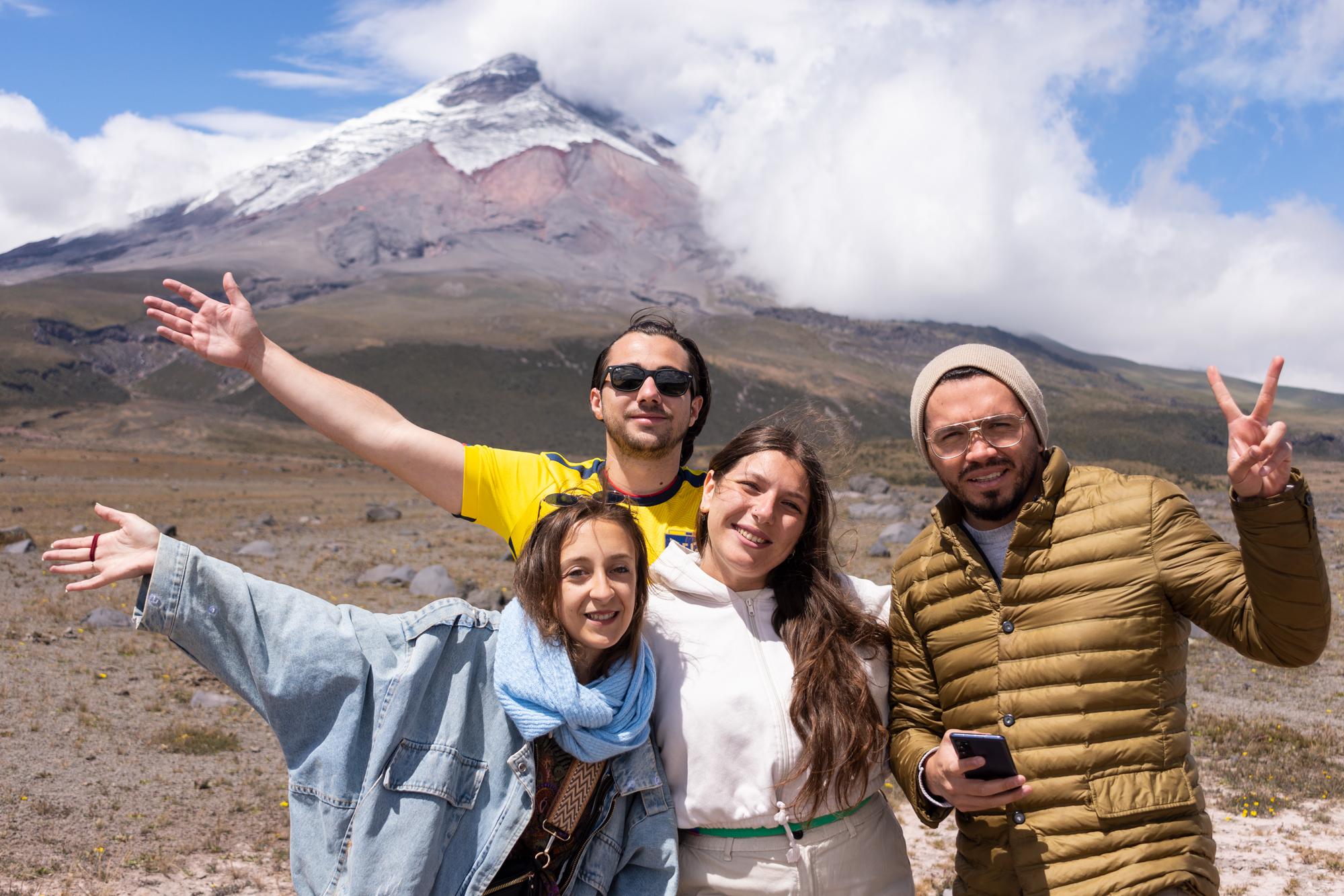
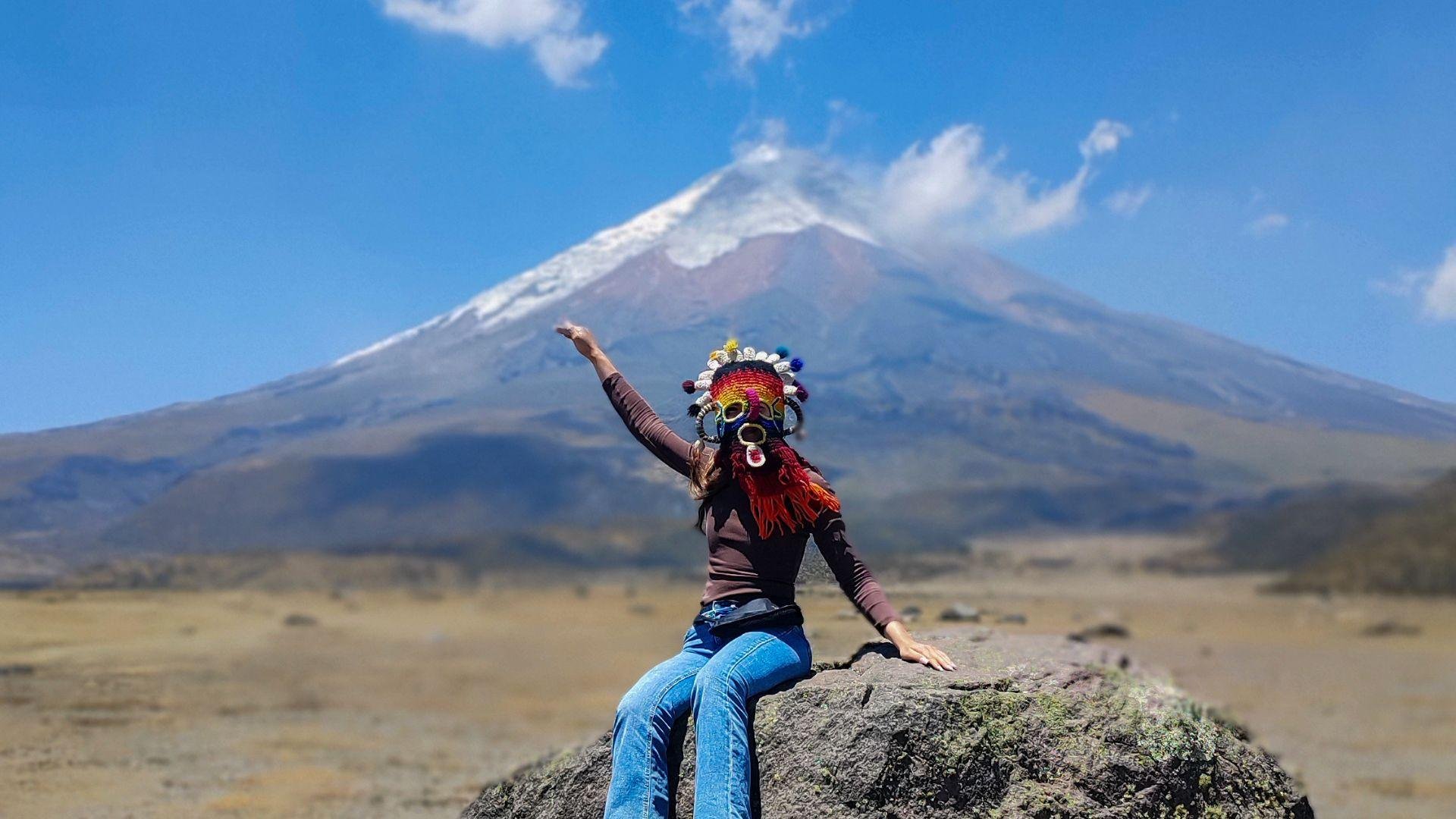
Snow above the páramo, silence below the summit.

84K+ travelers chose this
Free Cancellation
Right now: Moderate — weekend tour groups Arrive by 10:00 for clear views of the cone before afternoon cloud and wind move in
9-11 hours recommended
1 Languages
Up to 12 travelers
Free Cancellation
Free cancellation Instant confirmation Mobile voucher Verified partner Book now, pay later
Choose your ticket

Ticket options at a glance

Compare fares, pick the fit — all bookings are mobile-voucher and eligible for free cancellation where shown.

Cotopaxi National Park & Quilotoa Crater Lake Day Tour from Quito 10 hr
Guided Experience

Cotopaxi National Park & Quilotoa Crater Lake Day Tour from Quito

4.1 (604)
€73
  • Expert local guide
  • Small group
  • Skip-the-line access
  • Free cancellation
Book this ticket
Cotopaxi Volcano Day Trip from Quito with Alpacas & Lagoon 5 hr
Guided Experience

Cotopaxi Volcano Day Trip from Quito with Alpacas & Lagoon

4.5 (101)
€52
  • Expert local guide
  • Small group
  • Skip-the-line access
  • Free cancellation
Book this ticket
Head to head

Cotopaxi Day Trip From Quito vs Chimborazo — Which Volcano to Choose

For a single Cotopaxi day trip from Quito, Cotopaxi wins on drive time and simplicity; Chimborazo rewards travelers who can spare an overnight in Riobamba.

Top pick
Cotopaxi
Chimborazo
Distance and drive time from Quito 270 km, 5–7 hours
Feasibility as a single-day trip — Best as overnight from Riobamba
Parking-lot and refuge altitude 4,800 m lot, 5,000 m refuge
Trail to viewpoint difficulty 30–60 min steep rocky trail
Typical scenery and photogenic reward Vicuña-dotted páramo, glacier close-up
Best for Multi-day acclimatized travelers

Verdict: Choose Cotopaxi if you have one day and want a straightforward Quito Cotopaxi tour; choose Chimborazo if you can build in an overnight near Riobamba for closer glacier access and fewer crowds.

Featured Experiences

Popular tours & activities

Hand-picked experiences loved by thousands of travelers

Recommended Experience

Powered by GetYourGuide

Another traveler favorite

Powered by GetYourGuide
Cotopaxi & Quilotoa Full-Day Tour from Quito 11 hours Free Cancellation

Cotopaxi & Quilotoa Full-Day Tour from Quito

Journey through Ecuador's volcanic highlands — from Cotopaxi's glaciers to Quilotoa's electric-turquoise crater lake.

4.8 (51)
FromFrom €63.68
See details
Cotopaxi Volcano & Limpiopungo Lagoon Day Trip from Quito 10.5 hours Free Cancellation

Cotopaxi Volcano & Limpiopungo Lagoon Day Trip from Quito

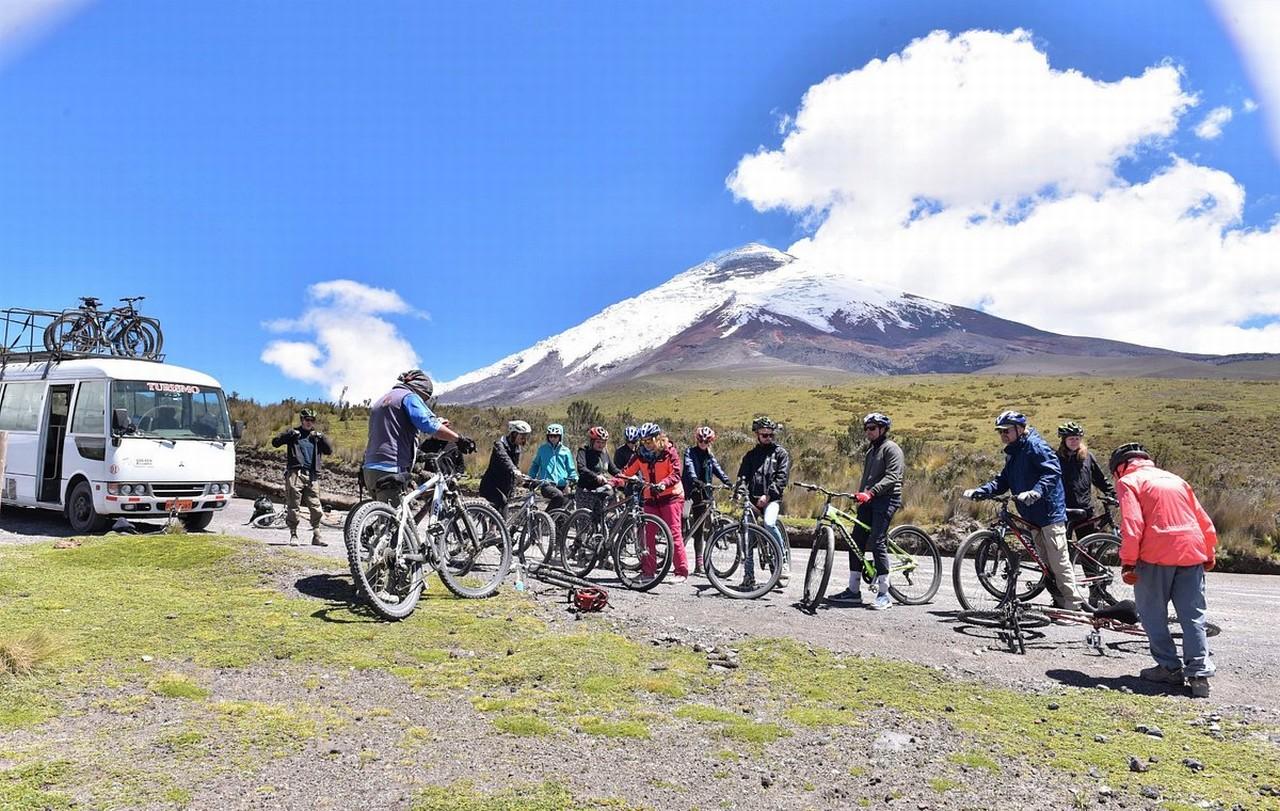
Hike to 4,800m, bike down Ecuador's iconic volcano, and discover a stunning Andean lagoon.

4.5 (17)
FromFrom €76.79
See details
Private Andes Road Trip: Cotopaxi & Quilotoa from Quito 10 hours Free Cancellation

Private Andes Road Trip: Cotopaxi & Quilotoa from Quito

A full-day private journey through volcanoes, crater lakes, and highland canyons in the Ecuadorian Andes.

5
FromFrom €102.85
See details
Your journey

Step-by-step — what your day looks like

1

Pickup in Quito

Hotel or agreed meeting point pickup for the drive south along the Pan-American Highway

2

Arrival at Control Caspi

Ranger registration with passport at the park gate, then continue by vehicle into the reserve

3

Mariscal Sucre interpretation center

Short stop to view exhibits on the park's geology, flora, and fauna

4

Laguna Limpiopungo walk

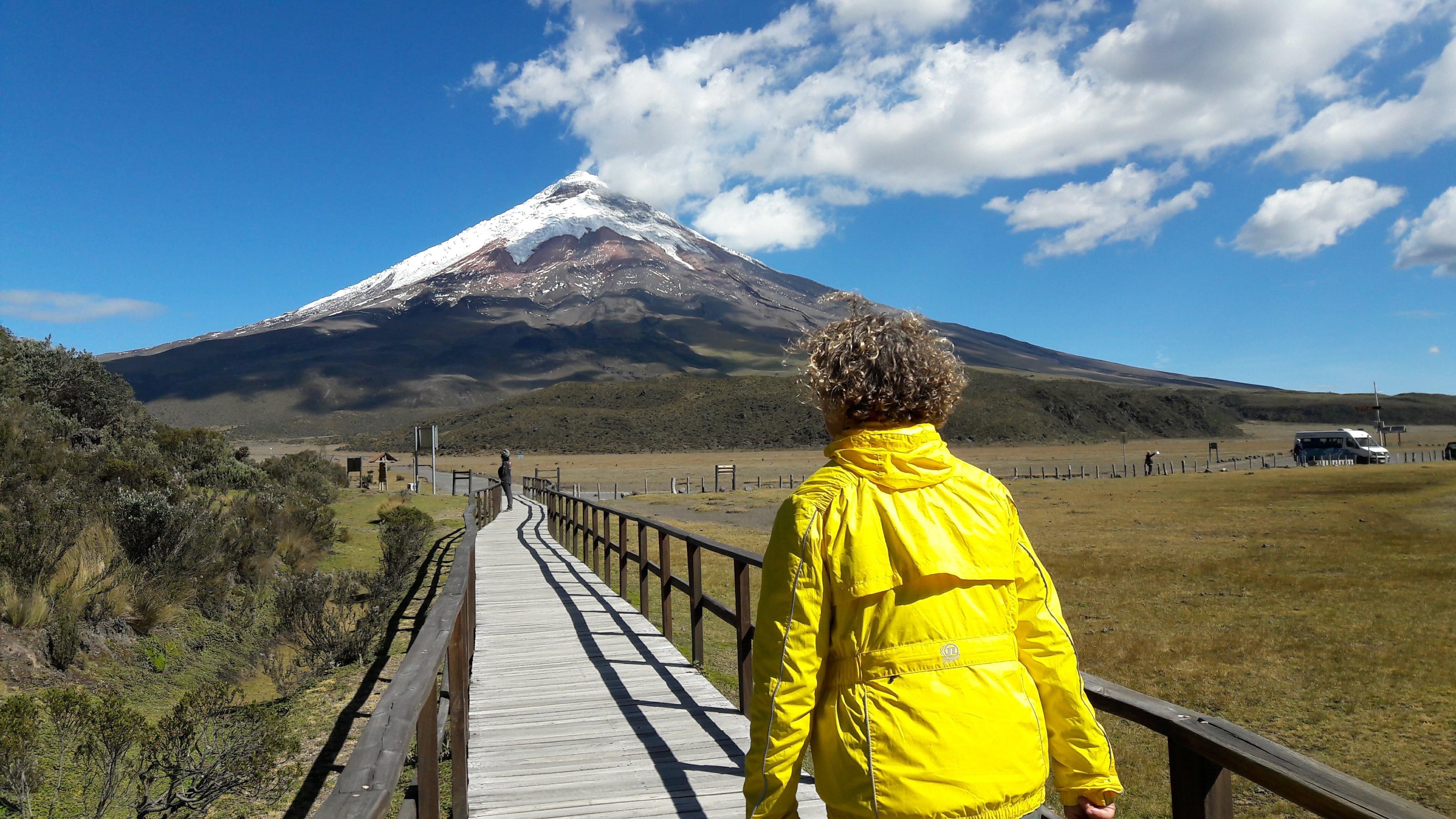
Flat boardwalk and trail loop around the lagoon with volcano reflections and birdlife

5

Hike toward José Ribas refuge

Drive to the 4,600 m parking area, then a 45–60 minute walk up volcanic sand to the refuge at 4,864 m

6

Return to Quito

Drive back north, typically arriving in Quito by mid-afternoon

What you'll see

Highlights not to miss

Cotopaxi Volcano

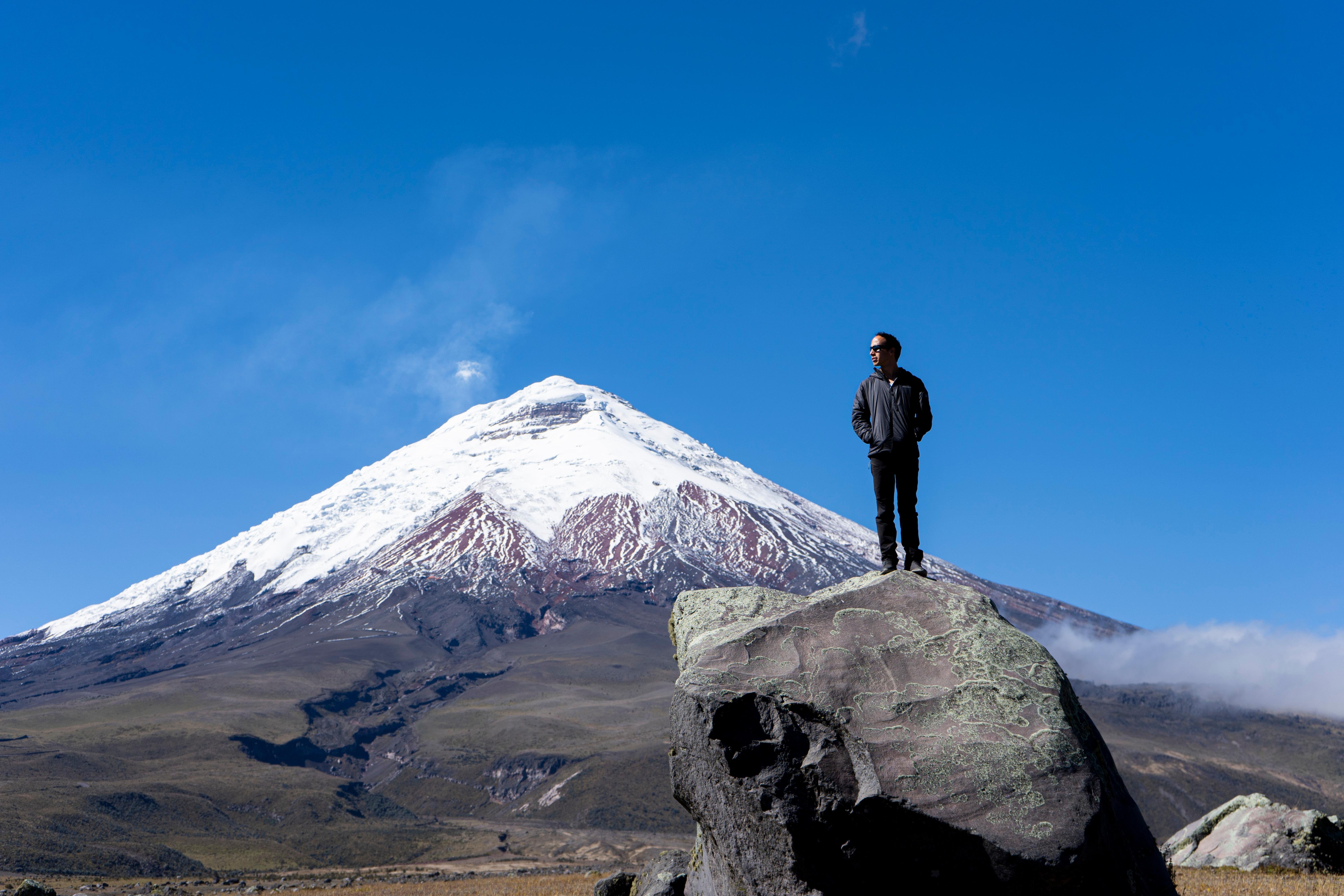
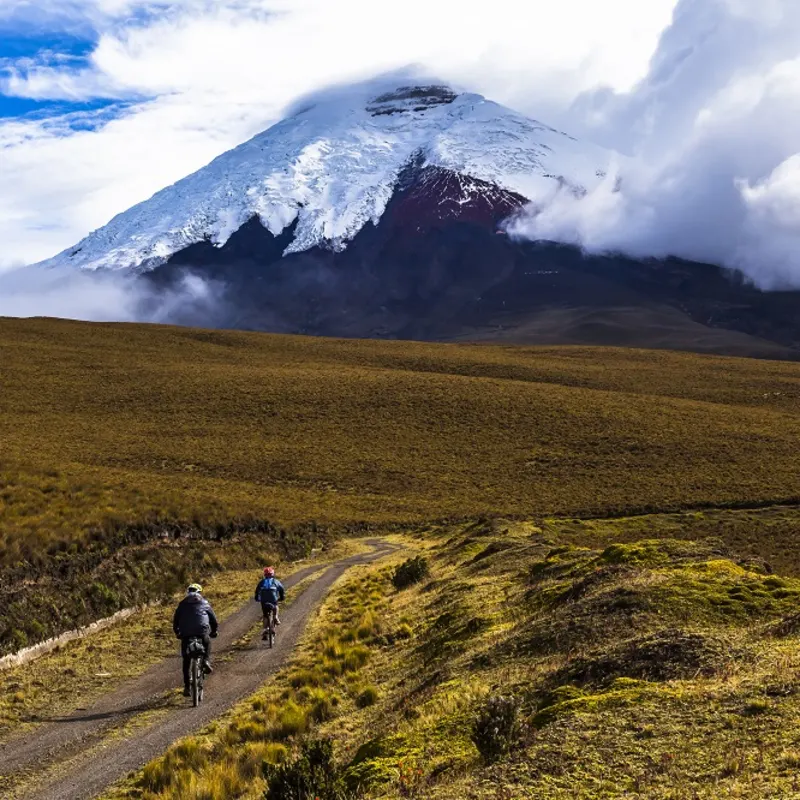
Ecuador's second-highest peak rises to 5,897 m and is among the world's highest continuously active volcanoes, with a last recorded eruption in 2023. Its near-perfectly symmetrical, snow-capped cone gives the park its defining silhouette and its Quechua name, often translated as "neck of the moon."

José Ribas Refuge

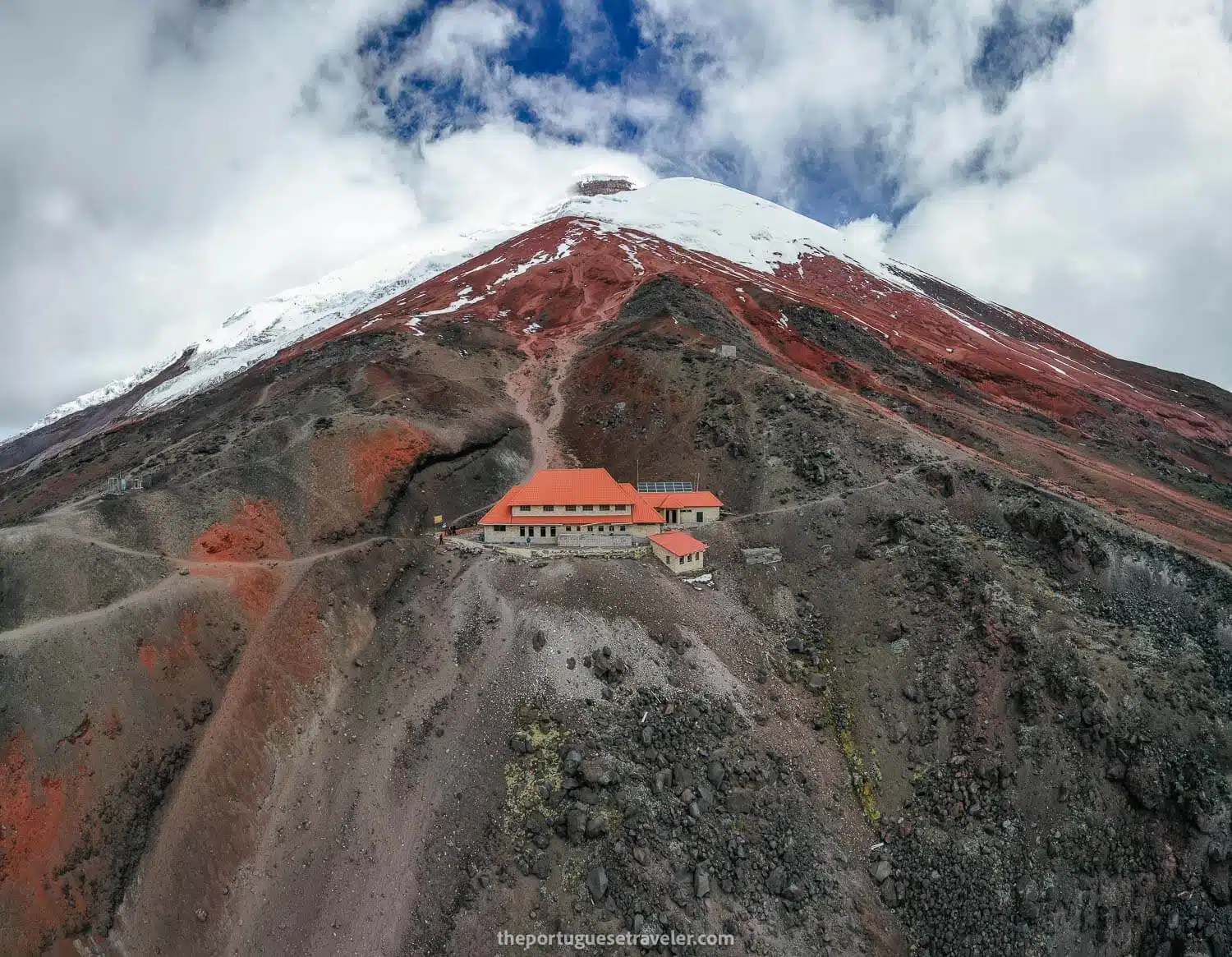
Built in 1971 and enlarged in 2005, this mountain hut sits at 4,864 m on Cotopaxi's northern flank and can sleep around 60 climbers. A 1996 Easter Sunday avalanche partially buried the refuge, a reminder of the terrain's volatility even on a short hike up from the parking area.

Laguna Limpiopungo

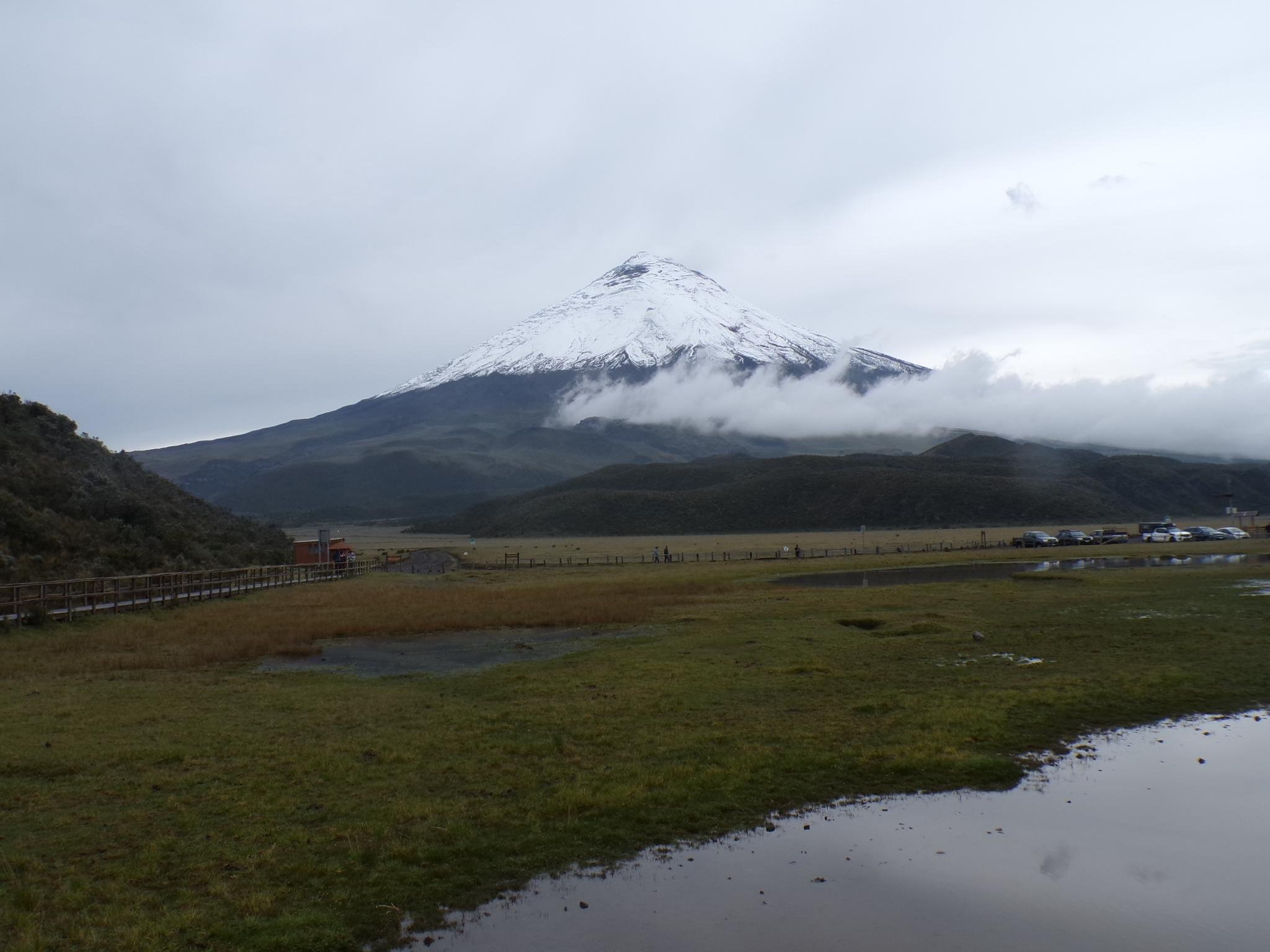
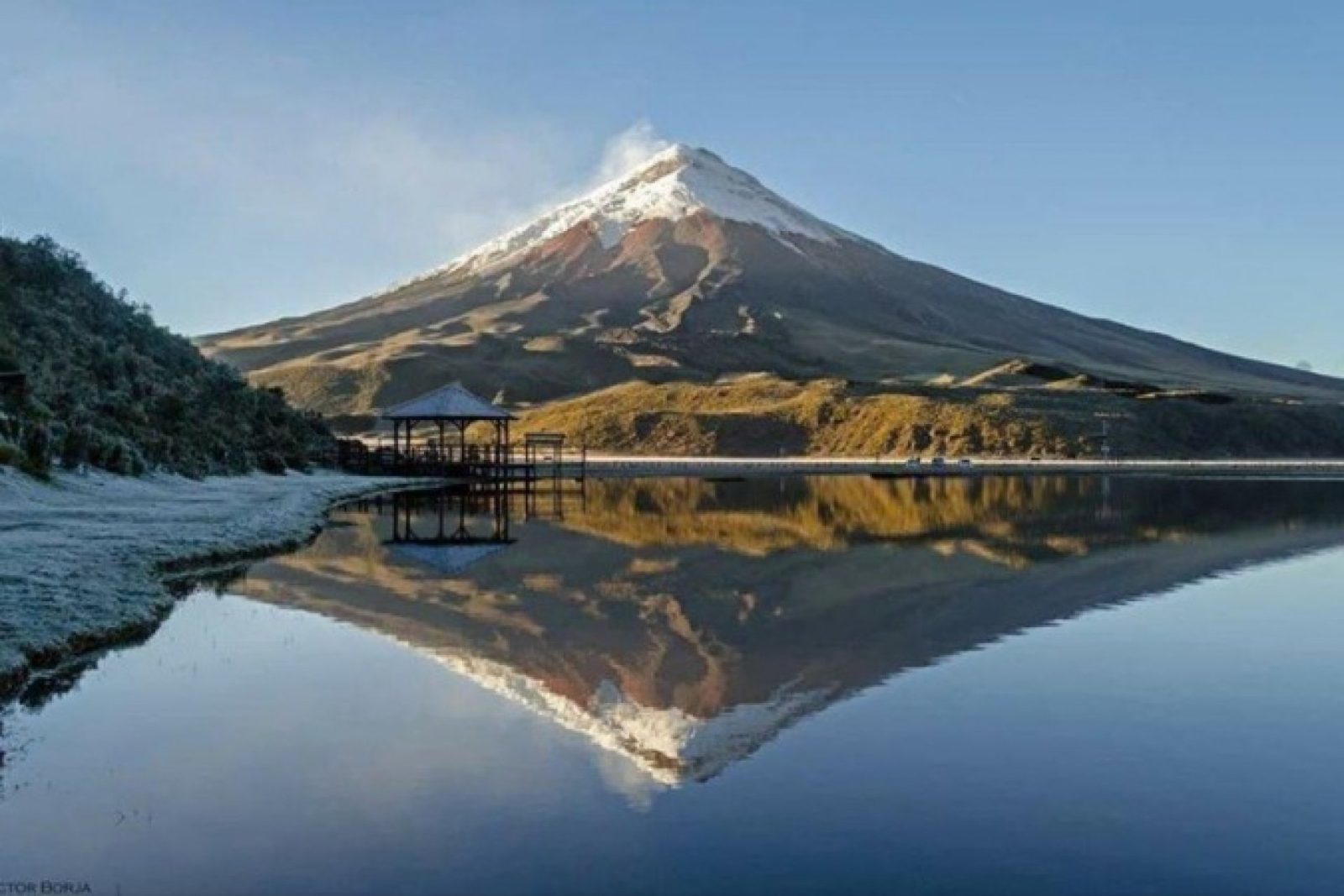
A shallow páramo lagoon at roughly 3,800 m elevation, its still surface sometimes mirrors the volcano's cone on calm mornings. Reed beds around the shoreline shelter more than a dozen resident and migratory bird species, including Andean lapwings.

Mariscal Sucre Interpretation Center

Located just inside the Control Caspi entrance, this small museum covers the park's geology, eruption history, and páramo ecosystems across several exhibit rooms. A gift shop and café inside offer coca tea, a traditional remedy locals use against altitude discomfort.

Cotopaxi Glacier Line

Beginning around 5,000 m above the José Ribas refuge, the glacier marks the boundary where casual hikers turn back and roped, guided summit attempts begin. Experienced climbers with proper equipment can reach the ice in roughly 90 minutes from the refuge.

Rumiñahui Volcano View

Visible from the Limpiopungo trail to the northwest, this extinct, heavily eroded volcano contrasts sharply with Cotopaxi's smooth cone through its jagged, weathered ridgeline. It forms part of the wider Avenue of the Volcanoes corridor south of Quito.

The experience

What the visit is really like

You leave Quito early, because the road to the Control Caspi entrance at Km 42 is quiet before mid-morning and the summit hides itself once clouds gather. Arriving between 08:00 and 10:00 gives you the clearest view of the cone before afternoon winds move in, so you time your Cotopaxi day trip from Quito to reach the gate soon after it opens at 08:00. Entry costs nothing — you pass the checkpoint without paying a conservation fee. Inside, the paved highway ends and a gravel track carries you upward through open páramo. You stop first at Laguna Limpiopungo, where you walk the flat lakeside loop and watch the volcano surface in the water when the sky clears. Then the road steepens toward the parking area at roughly 4,500 metres, and you feel the altitude in every breath. From there you climb on foot toward the José Rivas refuge, one deliberate step after another across loose volcanic scree. The path gains nearly 400 metres in under an hour, and you pause often, letting your pulse settle. At the refuge you drink hot coca tea, wrap your hands around the cup, and look back down at the plateau you crossed. By early afternoon you begin the descent, reaching the entrance well before it closes at 15:00.

Everything You Need to Know

Your complete experience guide

All the details about your upcoming adventure in one place

Planning Your Cotopaxi Day Trip from Quito

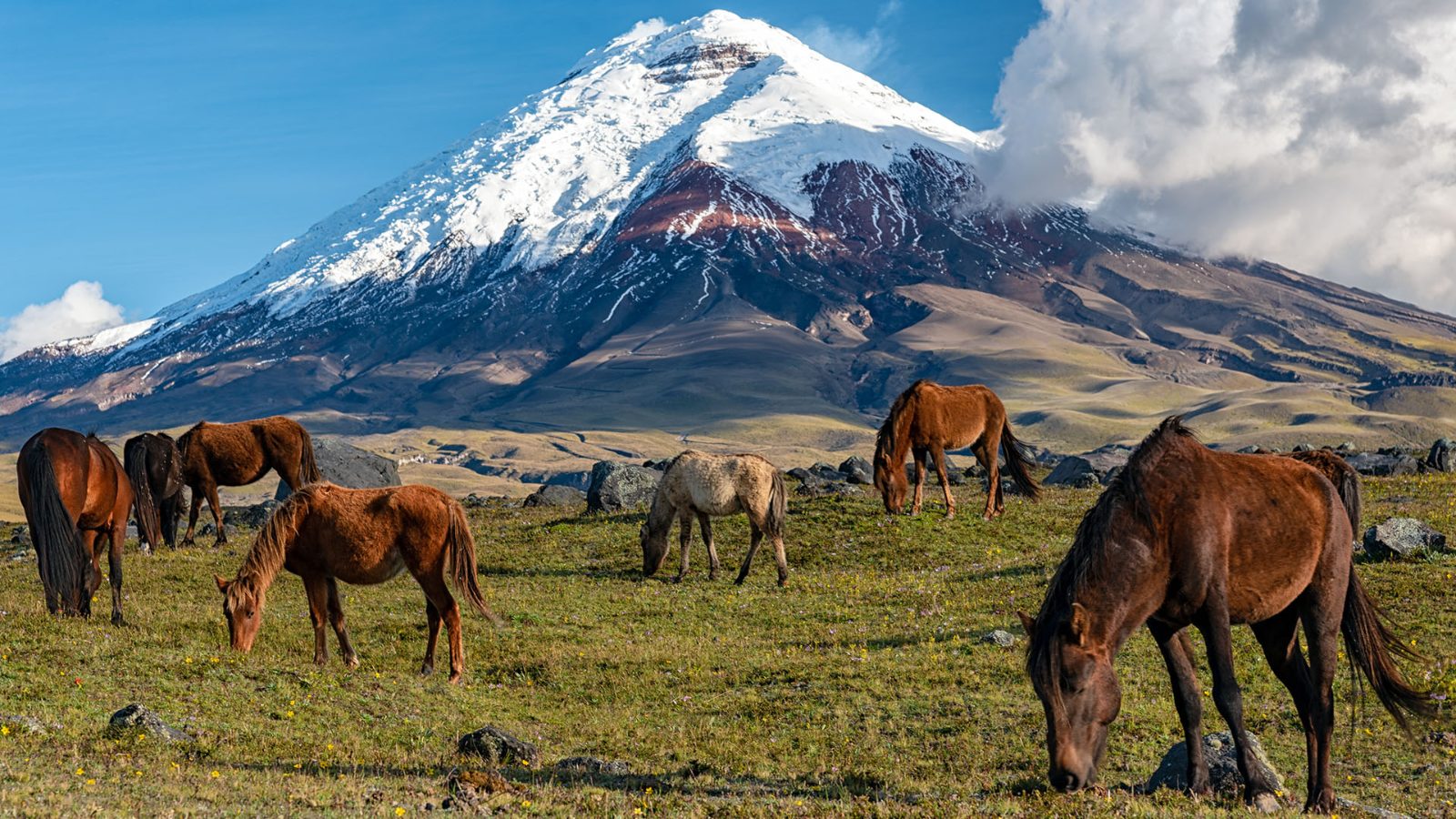
A Cotopaxi day trip from Quito carries you into Cotopaxi National Park, where the glacier-capped stratovolcano rises above high-altitude páramo grasslands and the calm waters of Limpiopungo Lagoon. Guided Cotopaxi National Park tours typically include a walk toward the José Ribas refuge on the volcano's flank, with chances to spot wild horses, Andean condors, and the surrounding Avenue of the Volcanoes. Most Cotopaxi day trip from Quito tours pair naturalist commentary with transport in 4x4 vehicles suited to the park's rugged access roads.

Cotopaxi rises 5,897 metres above the Ecuadorian Andes, making it one of the highest active volcanoes on Earth, and its near-perfect symmetrical cone carries a glacier that has been retreating for decades. A Cotopaxi day trip from Quito places travellers roughly 42 kilometres south of the capital, at the Control Caspi entrance along the Panamericana Sur, where the highway gives way to a landscape of high-altitude páramo grassland, wild horses, and Andean condors circling the ridgelines. The volcano sits within Cotopaxi National Park, a protected reserve established in 1975 and named for the peak that dominates its horizon. Indigenous Andean communities regarded the mountain as a sacred presence long before Alexander von Humboldt sketched its slopes in 1802 and declared it impossible to climb. That framing history matters less here than what the park has become: a conservation corridor where the glacier, the fragile páramo ecosystem, and the volcano's documented eruptions shape every part of the visiting experience. What sets this Andean reserve apart is its accessibility. Few active volcanoes of this scale sit so close to a national capital, and the park charges no entrance fee — the national park conservation fee is waived, so free entry is the standard for every visitor. That policy has helped make the Quito Cotopaxi volcano tour one of the most requested excursions in the country, drawing hikers toward the José Rivas refuge at 4,864 metres and travellers who simply want to stand beside Laguna Limpiopungo with the cone reflected in still water. The geography rewards patience and altitude awareness. From the entrance, the road climbs through wind-scoured plateaus where the air thins quickly and temperatures swing without warning. Laguna Limpiopungo, a shallow glacial lake ringed by reeds, offers one of the clearest vantage points of the summit when weather cooperates. Higher still, the parking area below the refuge serves as the launching point for those attempting the steep, scree-covered walk toward the snowline, a route that tests lungs conditioned only to lower elevations. The park's significance is ecological as much as scenic. Its páramo functions as a natural water reservoir feeding rivers that supply the surrounding valleys, while its glacier remains a closely monitored indicator of Andean climate change. A well-planned Cotopaxi day trip from Quito tour therefore moves through several distinct worlds in a matter of hours — cloud forest edges, open moorland, and glacial terrain — compressed into a single ascent. Managed by Ecuador's Ministry of the Environment, the reserve balances open public access against the pressures of a fragile ecosystem. For many visitors, the volcano is the reason to come; for the naturalists who study it, the surrounding grassland and its condors, deer, and wild vicuña are the quieter reward that lingers long after the descent.

Few active volcanoes of this scale sit so close to a national capital, and the park charges no entrance fee.

Dress code

Layered, windproof, waterproof clothing is essential — temperatures at the Limpiopungo basin and the José Ribas refuge parking area can swing from sun to sleet within an hour. Sturdy hiking boots or trail shoes with ankle support are recommended for the volcanic sand trail up to the refuge, and a warm hat and gloves are useful even in the dry season.

Bags & security

Rangers at the Control Caspi checkpoint register every visitor and may check identification, so keep a passport or photo ID accessible in your day pack rather than buried in luggage. There are no bag-storage lockers at the entrance, so anything you bring into the park stays with you for the full visit.

Photography

Personal photography and video are permitted throughout the park, including at Laguna Limpiopungo and along the road to the refuge parking area, with no permit required for handheld cameras or phones. Drone flights require prior authorization from park administration, and tripod use near the refuge trail should not block the narrow path for other hikers.

Families & strollers

Children are welcome at the lower-altitude sites such as Laguna Limpiopungo, but the high elevation makes the park unsuitable for infants and can cause altitude discomfort in young children. Rangers do not enforce a minimum age at the gate, so it is a parental judgment call based on acclimatization.

Accessibility

The Mariscal Sucre interpretation center near Control Caspi has level, paved access, but the boardwalk at Laguna Limpiopungo and the sandy trail up to the José Ribas refuge are not wheelchair accessible. Visitors with mobility limitations or respiratory conditions should be aware the park entrance already sits above 3,500 m, rising to roughly 4,600 m at the refuge parking area.

Food & drink

No restaurants or food stalls operate inside the park boundary itself, so any food brought in must be carried out again as trash — there are no bins along the Limpiopungo or refuge trails. Bottled water and packed snacks are allowed; the José Ribas refuge sells hot drinks and light snacks to hikers who make it that far.

Not allowed

× Drones without authorization × Open fires and camp stoves outside designated areas × Littering × Off-trail driving × Collecting plants, rocks, or wildlife × Loud speakers and amplified music × Alcohol consumption on trails × Feeding wildlife × Unauthorized camping × Motorized vehicles off marked roads × Firearms × Single-use plastic bags in some sectors

What to bring

✓ Passport or photo ID ✓ Windproof waterproof jacket ✓ Sunscreen and sunglasses ✓ Bottled water ✓ Cash in small USD bills ✓ Warm hat and gloves ✓ Hiking boots ✓ Snacks

Opening hours

Mon 08:00 – 15:00

Quiet, few tour buses

Tue 08:00 – 15:00
Wed 08:00 – 15:00

Mid-week, light traffic

Thu 08:00 – 15:00
Fri 08:00 – 15:00

Traffic picks up toward weekend

Sat 08:00 – 15:00

Busiest day, more tour groups

Sun 08:00 – 15:00

Popular with Quito day-trippers

At a glance

Open daily 08:00–15:00 (last exit by ~17:00)

location

Getting there

Car · 60–90 min · Fuel plus free park entry

Self-drive south from Quito on the Pan-American Highway (E35) to the Km 42 turnoff for Control Caspi, then follow the signed park access road to the ranger station. The interior roads are unpaved but passable in a standard vehicle in dry conditions.

Public transport · 1.5–2 hr plus onward transfer · Bus around $3.50, transfer $20–30

Take a southbound bus from Quito's Quitumbe terminal toward Latacunga and ask the driver to drop you at the Control Caspi turnoff on the highway. From the turnoff it's about 9 miles into the park, so you'll need to flag a pickup truck or taxi for the final stretch since buses cannot enter.

Taxi · 1–1.5 hr · Roughly $8–15 one-way from the highway, more from central Quito

Hire a taxi or private driver directly from Quito to the Control Caspi gate and interpretation center, which avoids the need to arrange a second vehicle at the highway turnoff.

Tour vehicle · 8–10 hr full day · Included in tour price

Most operators running a Cotopaxi day trip from Quito include round-trip transport in a shared or private van with hotel pickup.

Cancellation policy

Entry itself carries no fee (0 USD, national park conservation fee waived), so there is nothing to refund at the gate. Most Cotopaxi day trip from Quito tours booked through operators allow free cancellation up to 24 hours before pickup, after which a partial charge may apply — check the specific operator's terms at booking.

Plan your time

How long do you need?

Recommended time

Full day (9-10 hours)

A Cotopaxi day trip from Quito runs long once you count the road: roughly two hours each way on the Panamericana, leaving 5-6 hours inside the park itself. Most of that covers the hike to the José Rivas refuge, an out-and-back climb of about two to two and a half hours from the parking lot, plus a slower loop around Limpiopungo lagoon for wildlife and volcano views. Arrive within the 08:00-10:00 window and skies are usually clearer, since afternoon cloud and wind build steadily and can hide the summit by early afternoon. Add 30-45 minutes if the refuge trail is queued with other Cotopaxi day trip from Quito tours, and subtract time by skipping the lagoon loop if you only want the refuge push.

Plan ahead

When to go — year at a glance

Weather · crowds · average price — dots go green to amber to red as each metric rises.

Jun–Sep

Ecuador's dry season brings the clearest skies and the most stable weather for volcano viewing on a Cotopaxi day trip from Quito, with daytime highs near the park entrance around 12–15°C. This is also the busiest stretch, so early arrival matters most now.

Oct–Nov

Shoulder season with more frequent afternoon showers but noticeably thinner crowds on the Limpiopungo trail. Mornings still tend to be clear before cloud builds by midday.

Dec–Feb

Short dry spell around the holidays draws Quito families and international visitors, so weekends can feel crowded near the refuge parking area. Weekday visits are markedly quieter.

Mar–May

Ecuador's wetter season brings the highest chance of afternoon rain, mist, and reduced volcano visibility. Trails around Limpiopungo can be muddy, though this period sees the fewest tour groups.

Insider tips

Helpful tips for your visit

Register with a passport

Rangers at Control Caspi log every visitor by ID, so carry a passport or clear photo ID rather than leaving it at the hotel.

Bring small USD bills

Cash is the only reliable payment method inside the park for snacks or transfers from the highway turnoff, and change can be limited.

Acclimatize beforehand

Spending at least one or two nights in Quito (2,850 m) before a Cotopaxi day trip from Quito reduces the odds of altitude headaches at the 3,800–4,600 m sites inside the park.

Pack layers, not just a jacket

Weather at Limpiopungo and the refuge parking area shifts quickly between strong sun, wind, and sleet, so a base layer plus a windproof shell works better than one heavy coat.

Confirm your entrance route

Tours and self-drivers should confirm whether they're using Control Caspi (south, most used) or Control Norte (north, via Pedregal), since directions and drive times differ.

Watch for weekend congestion

Saturday and Sunday bring the most Cotopaxi day trip from Quito tours and private vehicles to the Limpiopungo boardwalk and refuge parking lot.

Where to meet

Meeting points

Control Caspi ranger station

Panamericana Sur Quito-Latacunga Km 42, Cotopaxi National Park

Main check-in point where passports are registered

Get directions

Mariscal Sucre interpretation center

Inside the park via Control Caspi entrance

Museum, gift shop, and small café

Get directions
The story

The history behind the site

The name Cotopaxi carries Andean weight. In Kichwa tradition, the cone was read as a sacred peak, and interpretations linking the name to notions of a shining or throned summit endure in regional lore. Long before any Cotopaxi day trip from Quito existed, Indigenous communities of the central highlands treated the volcano as a living presence woven into ritual and place-naming. The eruption record sharpens the story. In 1738, chroniclers documented one of the volcano's severe explosive episodes, opening a written history of violence that would repeat across the following centuries. The 1877 eruption stands among the most destructive: pyroclastic flows melted the summit glacier, and lahars swept down river valleys toward Latacunga, reshaping the terrain that modern Cotopaxi National Park tours now cross. These events fixed the mountain's reputation as one of Ecuador's most closely watched Andean landmarks. Mountaineering left its own mark. In 1971, the José Ribas refuge was constructed high on the northern flank, near 4,800 metres, giving climbers a fixed staging point below the glacier. The shelter transformed the peak into a reachable objective and remains the anchor of most guided Cotopaxi day trip from Quito tours today, standing above the parking areas where the walking begins. The modern chapter turned in 2015. After decades of relative quiet, the volcano reactivated, venting ash across the highlands and forcing authorities to close the national park to visitors. The closure interrupted a Quito Cotopaxi tour season entirely, and the reopening that followed brought renewed monitoring by Ecuador's geophysical institute. That reactivation is why a Cotopaxi National Park day tour today unfolds under an active-volcano protocol. What survives is a layered inheritance: sacred Kichwa meaning, a documented eruption record since 1738, a half-century-old refuge, and a working scientific watch. Cotopaxi day trip from Quito tickets grant access to that continuity — a landscape shaped by fire, faith, and observation. Skip-the-line Cotopaxi access rests on this deep foundation.

16th c.

Kichwa highland communities regard Cotopaxi as a sacred peak woven into ritual and naming.

1738

Chroniclers document one of the volcano's severe explosive eruptions.

1877

A major eruption melts summit ice, sending lahars toward Latacunga and reshaping river valleys.

1971

The José Ribas refuge is constructed near 4,800 metres on the northern flank.

2015

The volcano reactivates, venting ash and forcing closure of the national park.

2026

The reopened park operates under active-volcano monitoring by Ecuador's geophysical institute.

Photo spots

Best photo spots

Laguna Limpiopungo Shoreline

Best light · Before 09:00, calm water

The classic mirror shot: Cotopaxi's snow cone reflected in the shallow lagoon when winds are still. Stand along the near-side path close to the road pullout for the easiest angle, though photographers on a Cotopaxi day trip from Quito often walk the far shore trail for a cleaner reflection without reeds in frame.

Rumiñahui-Facing North Shore Trail

Best light · Early morning

The quieter far side of Limpiopungo faces north toward Rumiñahui's jagged ridgeline, giving a wide páramo-and-peak composition instead of the usual volcano portrait. This side catches soft morning sidelight before clouds build over the ridge.

4,500m Parking Lot Vista

Best light · Clear morning skies

The trailhead parking area below Refugio José Ribas sits at roughly 4,500 meters and opens a sweeping view down over the páramo toward Limpiopungo and the Illinizas on clear days. It's a quick, no-hike option for a high-altitude wide shot straight from the car.

José Ribas Refuge Viewpoint

Best light · Morning before clouds build

From the refuge terrace at the top of the switchback trail, the glacier and summit rise directly overhead while the highlands, including Sincholagua and the Illinizas, unfold behind. The 40-60 minute climb from the parking lot rewards with the closest ground-level angle on the ice cap.

Gallery

Moments from the experience

With kids

Visiting with kids

A Cotopaxi day trip from Quito works well with kids if you stick to the low ground: the Limpiopungo lagoon loop is flat, gravel-and-boardwalk, and gives children volcano views without any real climb. The refuge trail above it is a different story entirely, and most families are better off treating that stretch as optional for adults only.

Best ages

Limpiopungo's 3.5km flat loop suits kids as young as 4-5 who can walk that distance in cold, windy conditions. The refuge scree climb at 4,500-4,800m is genuinely strenuous even for fit adults and is not recommended for children.

Strollers

The lagoon path is packable-stroller-friendly on dry days, but the refuge trail above is loose volcanic scree and not stroller friendly at all, so leave it in the car for that leg.

Pacing

Build in slow, unhurried time at Limpiopungo rather than rushing toward the refuge parking lot at 4,600m, since kids feel altitude faster than adults. Watch for headaches, nausea, or unusual fatigue and descend if any appear.

Facilities

Restrooms and a small interpretation center sit near the main park entrance, but there are no baby-change stations or shops once you're out at the lagoon, so pack supplies for the whole visit.

Rainy-day plan

Clouds and wind roll in most afternoons, so families booking Cotopaxi day trip from Quito tours should treat the lagoon walk, not the summit road, as the reliable kid-friendly fallback if weather closes in.

Food with kids

Bring your own snacks and a thermos, since there's no food service at Limpiopungo itself and the cold at altitude burns through kids' energy quickly.

Food & drink

Where to eat nearby

Dining inside Cotopaxi National Park is limited to a couple of mountain lodges along the access road, so most people planning a Cotopaxi day trip from Quito either eat before entering or pack their own snacks for the parking-lot walk up to the refuge. There is no restaurant row near the trailhead, just these scattered outposts.

Tambopaxi Lodge

$8-20

Restaurant — on the access road

Set inside the park near the Limpiopungo basin, this lodge restaurant serves hot soups, trout, and Andean plates plus coffee and pastries at the counter. It gets busy around lunchtime with mixed groups doing a Cotopaxi day trip from Quito tour, so a quick coffee stop works better than a sit-down meal if you are on a tight schedule.

Albergue de Alta Montaña Paja Blanca

$6-15

Lodge restaurant — off the main route

A modest A-frame lodge with a simple restaurant serving breakfast and basic Ecuadorian dishes at reasonable prices. It sits a short detour off the direct road to the refuge, so it suits travelers overnighting nearby more than a fast day visit.

José Rivas Refuge snack counter

$3-8

Basic snack stand at the refuge

A no-frills counter at the refuge selling hot chocolate, coca tea, and simple snacks once you reach the top of the hike from the parking lot. Expect long lines when Cotopaxi day trip from Quito tickets bring large groups up at once, and don't count on it for a real meal.

Customer Reviews

What travelers say

Real experiences from real travelers

4.5
Based on undefined reviews
1 ★ 520
2 ★ 410
3 ★ 940
4 ★ 2600
5 ★ 11200
M
Mariana R.
Brazil · 2026-06-14

Clear cone at dawn

We booked a Cotopaxi day trip from Quito and the early departure was worth it, the summit was fully clear before ten and clouded over by noon. The paramo was colder than expected with a sharp wind at the refuge parking area, so the extra gloves our guide handed out helped.

D
David K.
United States · 2026-05-02

Higher than I thought

The altitude near the Jose Rivas refuge hit harder than the trail distance suggested, we walked slowly and stopped often. Our guide kept coca tea in a thermos and pointed out wild horses grazing on the way down.

L
Lena F.
Germany · 2026-04-19

Great views, long road

Good introduction to the volcano though the drive out was longer than the itinerary implied. The Quito Cotopaxi tour worked well for a first visit, and Laguna Limpiopungo was calm and mirror-flat when we arrived mid-morning.

H
Hiroshi T.
Japan · 2026-03-11

Andean highland day

Standing on the black volcanic sand with the glacier above was the highlight of our week near the capital. These Cotopaxi day trip from Quito tours suit people who want big scenery without technical climbing.

S
Sofia G.
Spain · 2026-02-08

Wild horses and wind

The grasslands were golden and empty, and we spotted a herd of wild horses right beside the track. Bring layers, the sun was strong but the wind at altitude cut straight through my fleece.

O
Owen M.
United Kingdom · 2026-01-22

Smooth logistics

Pickup was punctual and the small group meant we moved at our own pace on the sandy switchbacks. A solid Cotopaxi volcano tour if you are short on time and based in the old town.

C
Camila V.
Chile · 2025-11-30

Clouds rolled in

We reached the refuge but the peak stayed hidden behind cloud most of the afternoon, which is the gamble at this altitude. Still glad we went, the reflections at Limpiopungo made up for it and the Cotopaxi day trip from Quito tickets were straightforward to arrange online.

A
Anna P.
Poland · 2025-09-17

Andes up close

The scale of the paramo landscape below the snow line is hard to grasp from photos. Our Cotopaxi day trip from Quito tour paced the altitude gain sensibly and nobody in the group felt sick.

T
Thomas B.
France · 2025-07-05

Glacier and grasslands

Cold, bright, and quiet once you leave the highway behind, with the snow line clearly visible from the trail. Among the Quito day trips we did, this one felt the most remote.

G
Grace N.
Australia · 2025-04-13

Bring warm gear

The temperature dropped fast as we climbed and I underpacked, so heed the layer advice. Beyond that the drive through the Ecuadorian highlands and the walk toward the glacier were the parts I remember most.

FAQ

Frequently asked questions

Everything you need to know for your journey

Around the corner

Nearby landmarks worth a detour

Laguna Limpiopungo

10 min drive from Control Caspi

landmark

Shallow high-altitude lagoon at 3,800 m ringed by páramo grassland and reed beds. Wild horses and Andean bird species are commonly seen along its flat boardwalk loop.

José Ribas refuge

45–60 min hike from the upper parking area

landmark

Mountain hut at 4,864 m built in 1971 and expanded in 2005, serving as the rest stop for climbers heading toward Cotopaxi's glacier line.

Rumiñahui volcano viewpoint

Visible from the Limpiopungo trail

viewpoint

An extinct volcano rising to the northwest of Limpiopungo, its jagged eroded ridgeline contrasts with Cotopaxi's smooth cone.

Mariscal Sucre interpretation center

Inside the park near Control Caspi

museum

Small exhibition hall covering the park's geology, eruption history, and native flora and fauna, with a gift shop and café.

Sincholagua

Distant view from the park's northern trails

viewpoint

A jagged 4,898 m peak visible on clear days from the Tambopaxi lodge area and northern park roads.

Where to stay

Where to stay nearby

Tambopaxi lodge

20 min drive inside the park's north side

mid-range

Eco-lodge at 3,750 m between the north entrance and the volcano, popular as an acclimatization stop with morning views of Cotopaxi.

Hacienda El Porvenir

1.5 hr drive from Quito, near the north entrance

boutique

Andean hacienda offering horseback riding and guided treks with rooms overlooking the páramo.

Machachi town

20–25 min drive from the park

district

Small highland town with basic hotels and hostels used as a low-cost base for early park entry.

Latacunga

30–45 min drive from the park's south side

district

Provincial capital with a wider range of budget and mid-range hotels near the south entrance.

Ready for Adventure?

Join thousands of happy travelers who have discovered this incredible experience

Book Your Experience Now