8 hr
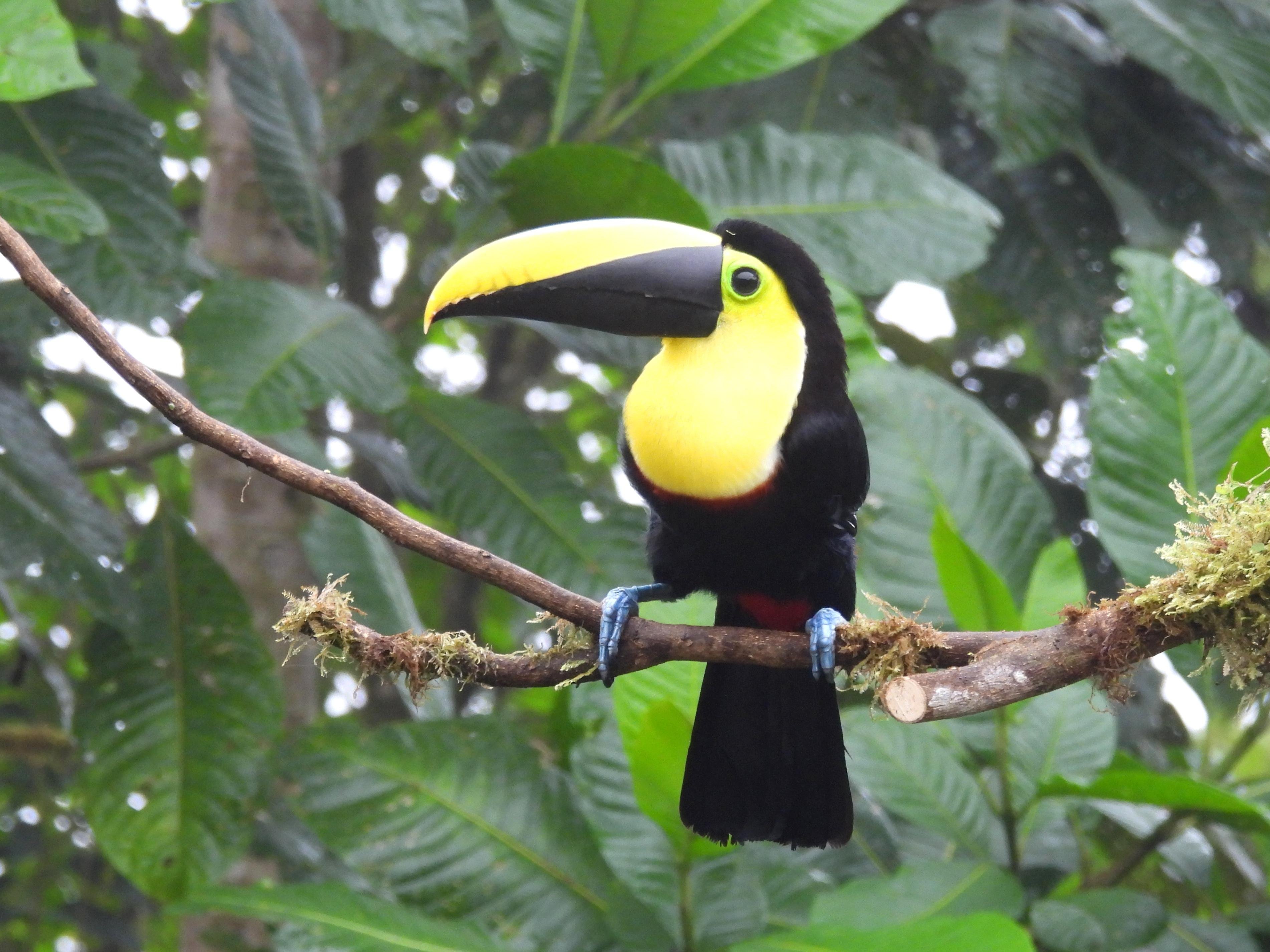
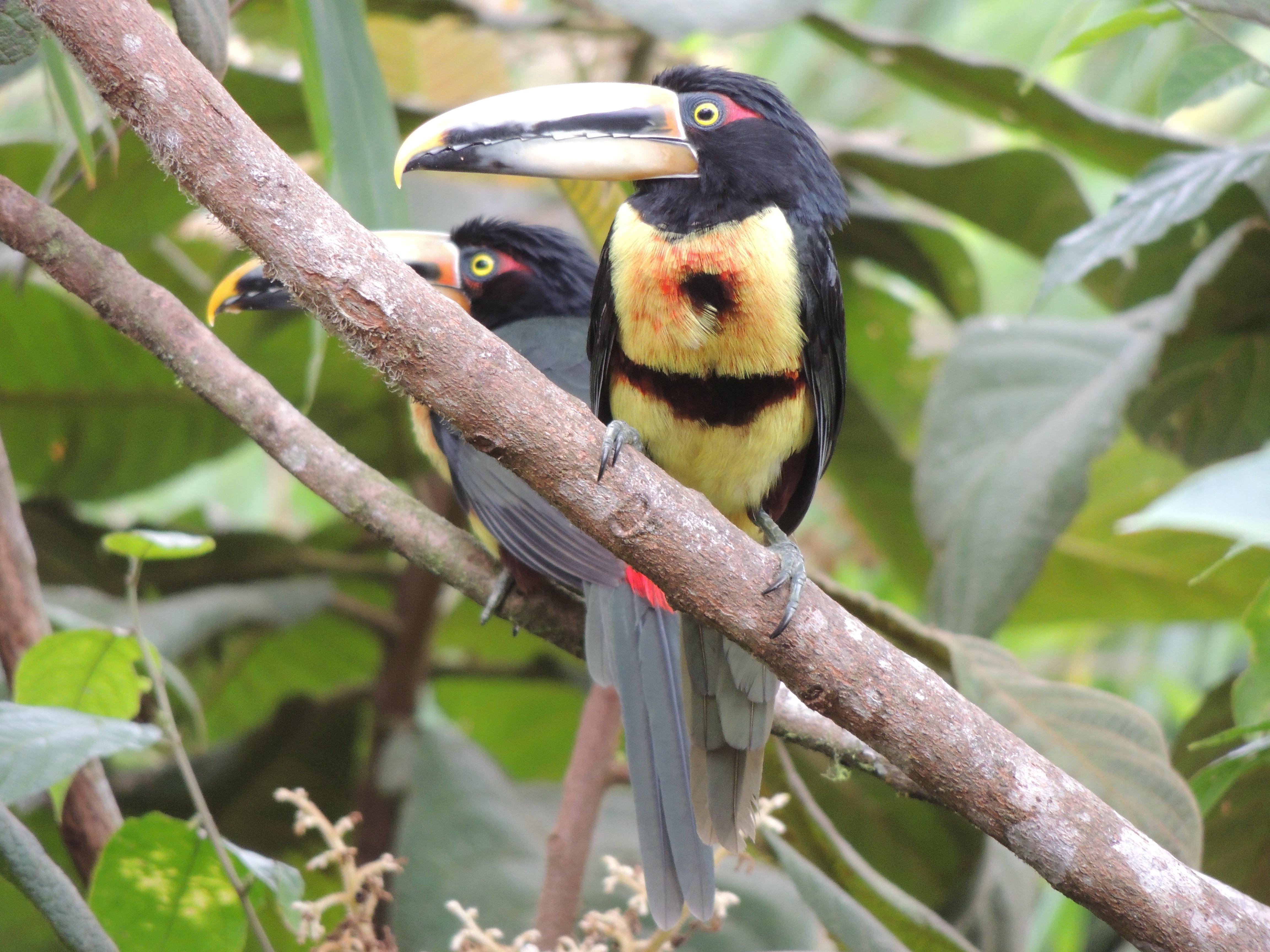
Private Mindo Cloud Forest Adventure: Nature, Birds & Chocolate
- Private experience
- Personal attention
- Premium amenities
- Free cancellation
Ecuador Private Guide — Nationwide Tours & Custom Itineraries
From Andean peaks to Pacific shores, one guide, your pace.
Compare fares, pick the fit — all bookings are mobile-voucher and eligible for free cancellation where shown.
8 hr
9 hr
8 hr
Worth it for first-timers and remote regions
An Ecuador private guide runs higher per day than a budget group tour, but the value math holds once you weigh what you actually get: door-to-door pickup around 08:00, a fluent driver-interpreter, and route flexibility no van of strangers offers. Ecuador private guide tours pay off most for first-time visitors, families, and anyone heading into Cotopaxi, the Amazon, or the highlands around Otavalo, where roads, altitude, and language raise the cost of a wrong turn. You are buying time savings, safety, and access — not a ticket, since the service itself carries no entrance fee. Solo backpackers comfortable on public buses and Spanish-speakers who plan their own Quito landmarks will find a private guide tour harder to justify. For that in-between traveler, one private day at Cotopaxi plus self-guided city time is the pragmatic split that keeps the Andes cultural immersion without paying premium every hour.
Bottom line: Book Ecuador private guide tickets for the hard regions and first visits; skip them if you are a seasoned, Spanish-speaking solo traveler on a budget.
For most travelers weighing an Ecuador private guide against a fixed-departure group trip, the private option wins on flexibility and remote access, while the group tour wins on cost for solo travelers.
|
Top pick Private Guide |
Small-Group Tour (G Adventures style) | |
|---|---|---|
| Group size | 1–6 (your party only) | 10–18 travelers, average 10–14 |
| Schedule flexibility | Fully custom start time and route | Fixed departure dates, set itinerary |
| Price per person | $90–$240/day, drops with more people | $1,500–$3,500+ for 8–15 day fixed trip |
| Access to remote sites | Custom routing to Amazon, Cotopaxi, Otavalo | Same regions, but on preset itinerary days |
| Pace and stops | Stops and duration set by traveler | Fixed stops, timed to group schedule |
| Language and personal attention | One-on-one with bilingual guide | Shared attention across full group |
| See tickets & prices |
Verdict: Solo travelers and couples on a tight budget often save money joining a scheduled Ecuador highlands and Amazon tour, but anyone wanting to set their own pace through Cotopaxi, Otavalo, or the jungle gets more control from Ecuador private guide tours.
Hand-picked experiences loved by thousands of travelers
7 hours
Free Cancellation
Discover Quito's colonial treasures, ride the high-altitude cable car, and stand on the equator during this private, customizable day trip.
10 hours
Free Cancellation
Experience the majestic Andes with active volcano views, high-altitude lagoons, and rich indigenous traditions.
7 hours
Free Cancellation
Discover Quito's best: stand on the Equator, ride the Teleférico, and explore historic landmarks in one day.
4 hours
Free Cancellation
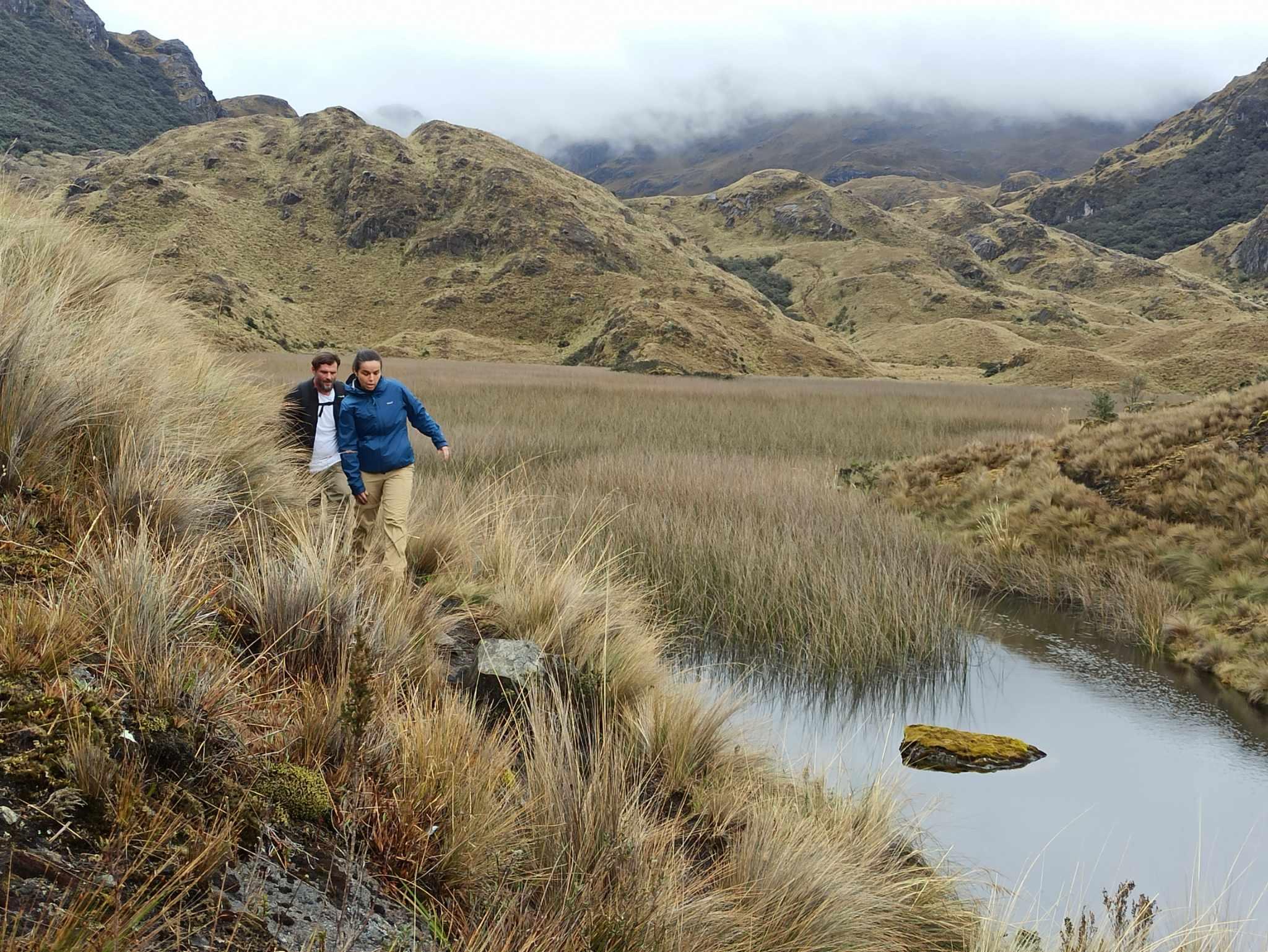
Discover the stunning Andean moorlands, turquoise lagoons, and unique Polylepis forests of Cajas on a guided half-day hike.
3.5 hours
Free Cancellation
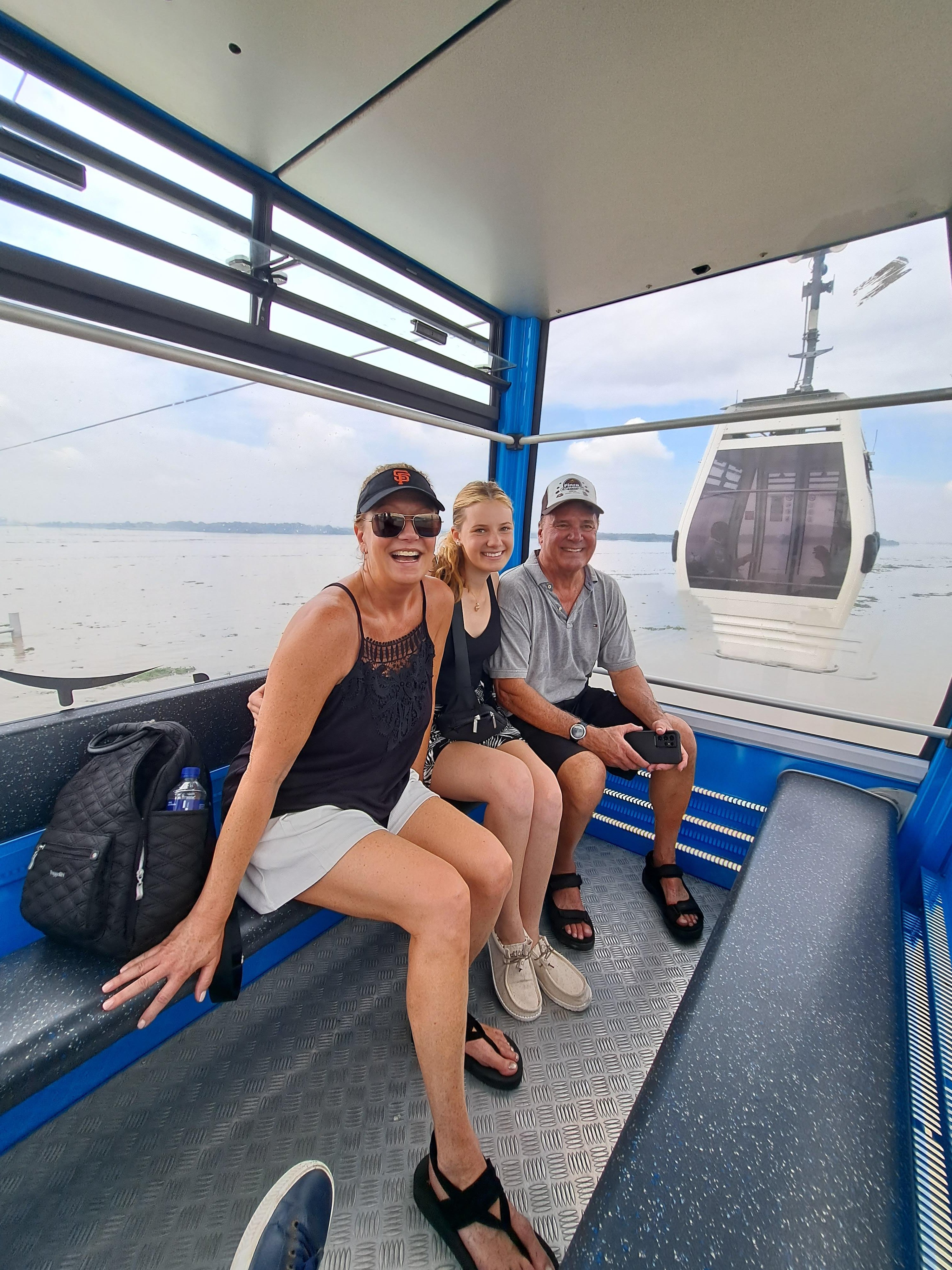
Discover historic landmarks, meet park iguanas, stroll the scenic waterfront, and enjoy aerial views from a cable car.
Guide meets travelers in Quito or regional lodging for a private transfer
Scenic Pan-American Highway drive south with páramo and volcano views
Passport check at the ranger gate followed by a guided hike toward Limpiopungo Lagoon or the refuge trail
Meal at a highland hacienda or packed picnic depending on the day's route
Drive back to Quito, or continue toward Otavalo, Amazon, or Galápagos legs
Guide returns travelers to their accommodation and confirms next day's plan
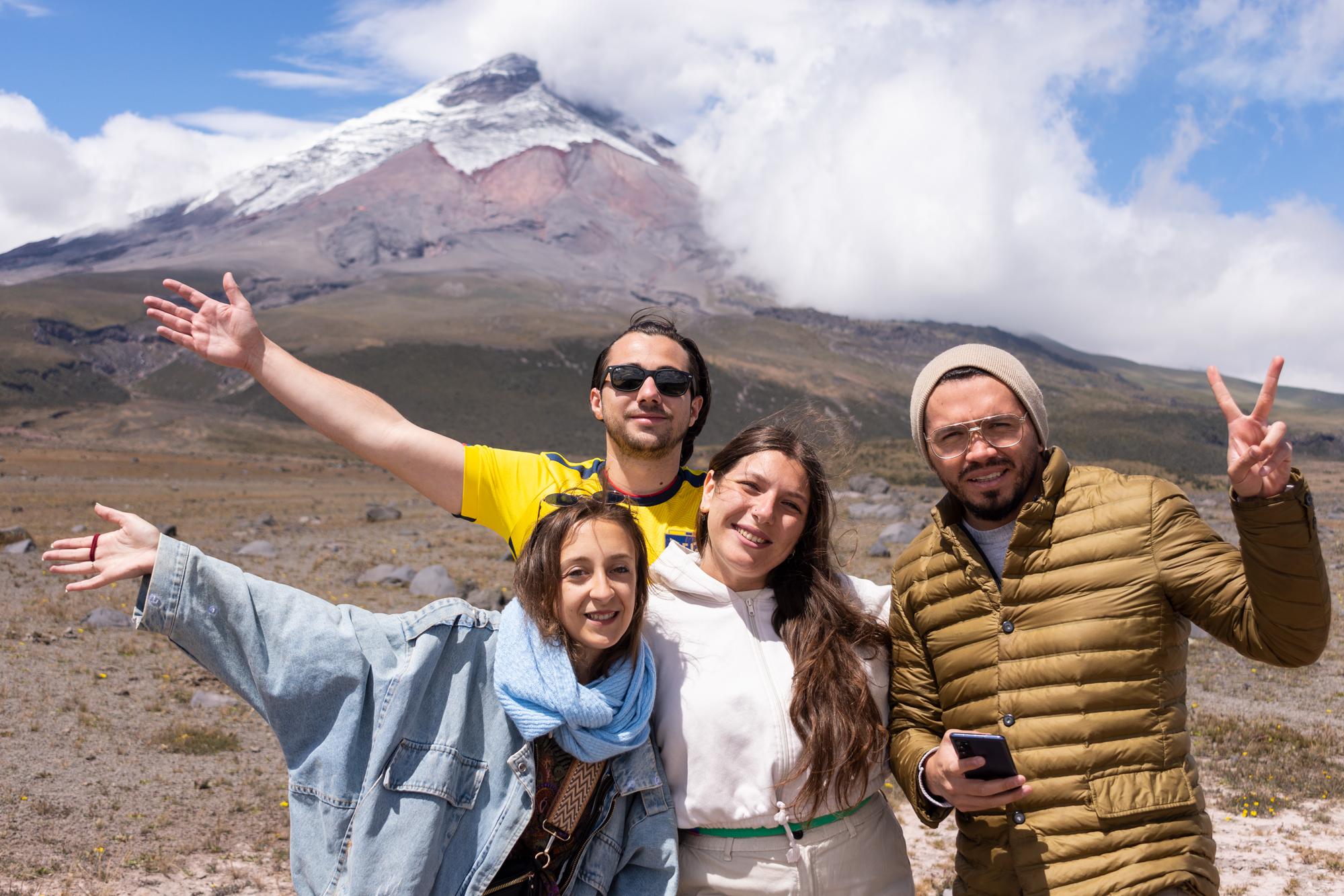
An active stratovolcano rising to 5,897 meters, among the highest active volcanoes in the world, visible across much of the northern Andes on clear mornings. Its symmetrical snow-capped cone dominates the national park that bears its name.
A shallow glacial lagoon sitting at roughly 3,800 meters at the base of Cotopaxi, ringed by páramo grassland and reachable by an easy walking trail. Andean gulls, ducks, and occasionally condors gather along its marshy shoreline.
A stone mountain shelter built at 4,800 meters, used by climbers acclimatizing before summit attempts on Cotopaxi. It offers dorm-style beds and hot drinks despite its remote, high-altitude setting.
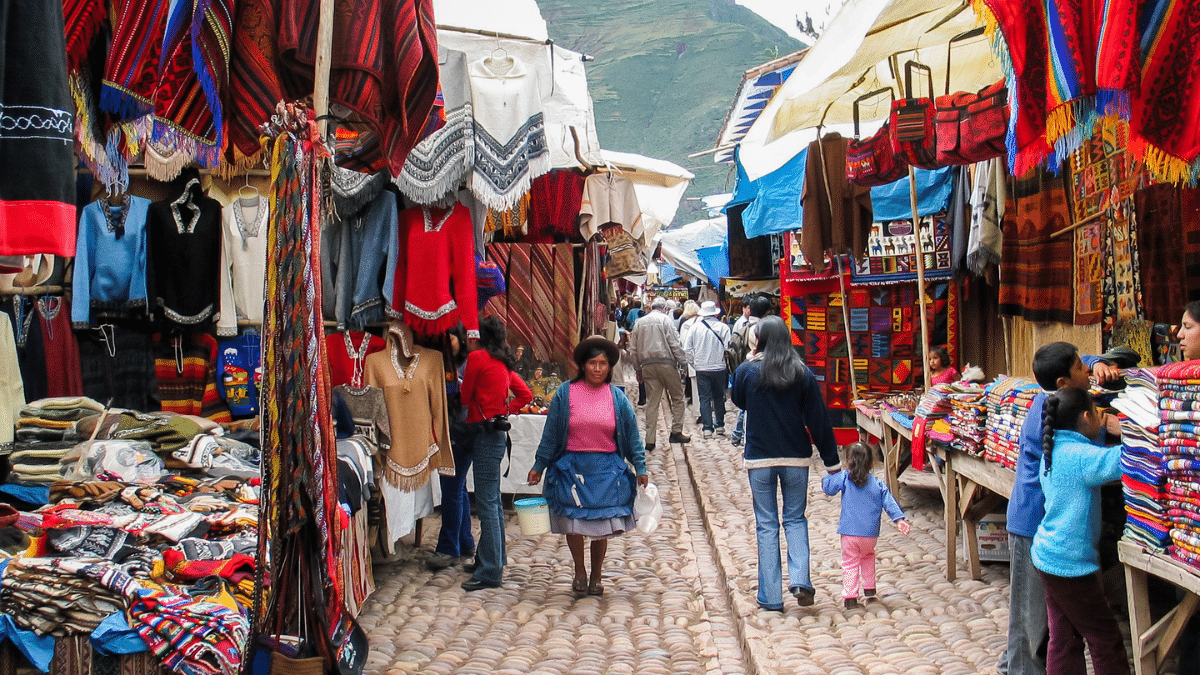
One of South America's largest indigenous textile markets, held daily in the town plaza with an especially large Saturday session. Weavers from surrounding Kichwa communities sell hand-loomed ponchos, tapestries, and jewelry.
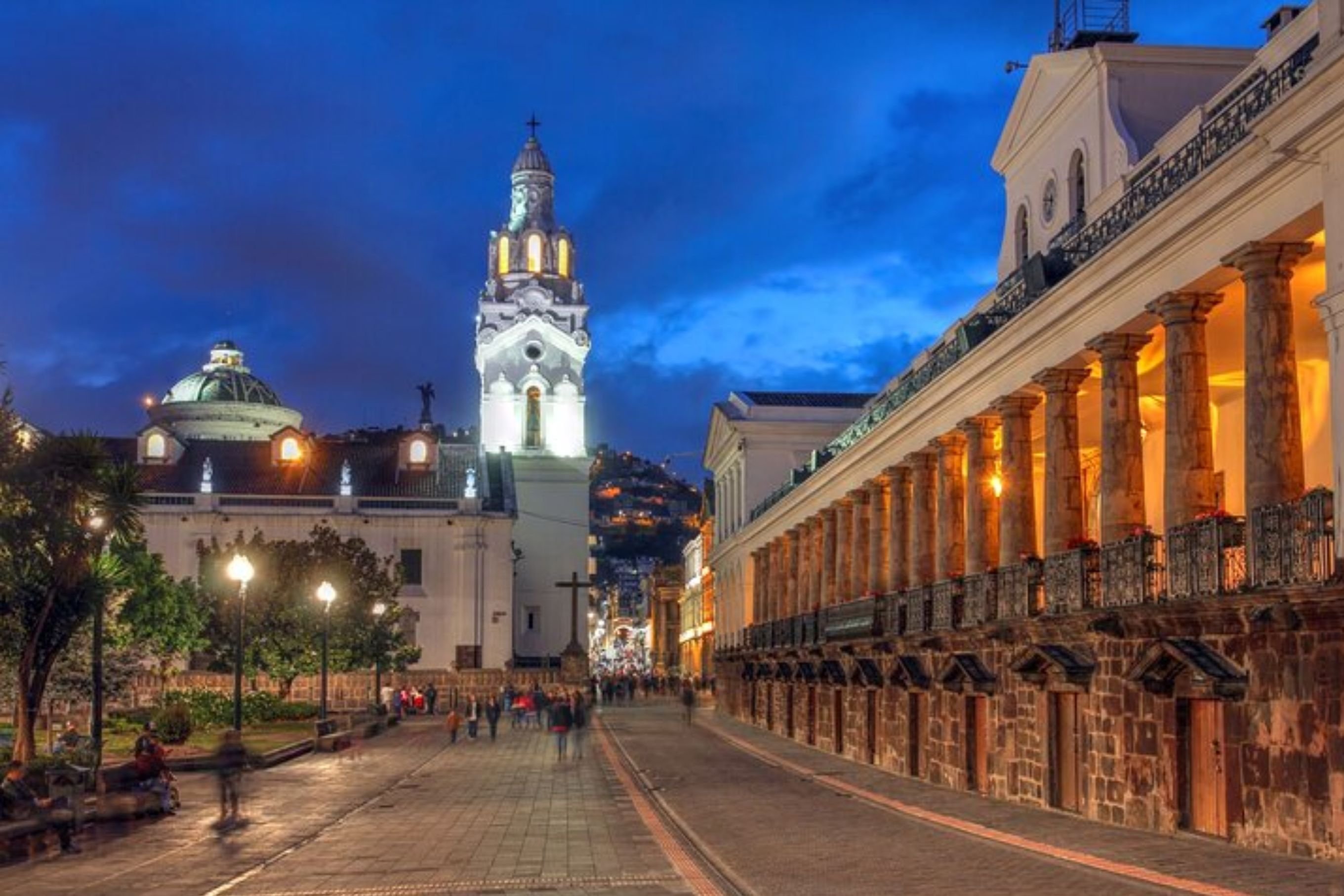
A UNESCO World Heritage colonial district dating to the 16th century, packed with baroque churches and cobblestone plazas. La Compañía de Jesús church alone is covered in roughly seven tons of gold leaf on its interior.
A volcanic archipelago about 1,000 kilometers off Ecuador's coast, home to giant tortoises, marine iguanas, and blue-footed boobies found nowhere else on Earth. Charles Darwin's 1835 visit here shaped his theory of evolution.
You step out of your Quito hotel between 08:00 and 10:00, the standard pickup window for a full-day private tour, and your guide is already waiting with a warm vehicle and a thermos of coca-leaf tea for the altitude. You settle in as the city thins into eucalyptus hills and the Panamericana climbs toward the páramo. By mid-morning you reach the Cotopaxi park gate, where you sign the register, adjust your layers against the thin air, and walk the short trail toward the refuge at 4,800 metres. You pause, breathing deliberately, watching wild horses graze below the glacier line. Your guide points out Andean lapwings and the faint plume above the crater. After a boxed lunch beside Limpiopungo lagoon, you descend and reroute — the beauty of a private guide is that the afternoon bends to you. You choose Otavalo's textile stalls over another viewpoint, and within the hour you are handling alpaca weaves and bargaining in halting Spanish while your guide translates the Kichwa vendor's asking price. You reach the equator monument at Mitad del Mundo near dusk, straddling both hemispheres for the obligatory photograph. As the light drops, you ride back toward the capital, itinerary reshaped twice, nothing missed, the whole route carried by one person who read the day for you.
All the details about your upcoming adventure in one place
An Ecuador private guide pairs you with a licensed local host who tailors each day to your pace, whether you're tracing colonial streets in Quito's historic center or standing at the Mitad del Mundo equator line. These personalized Ecuador private guide tours cover Andean markets, cloud forest trails, and cathedral viewpoints with commentary in your preferred language. From the volcanic peaks of the Avenue of Volcanoes to the artisan stalls of Otavalo, a dedicated guide handles logistics so you focus on the experience.
Ecuador packs four distinct worlds — Andes, Amazon, Pacific coast, and the Galápagos — into a country smaller than the state of Nevada. A single day can carry a traveler from Quito's colonial cobblestones at 2,850 metres to the páramo grasslands beneath Cotopaxi, one of the world's highest active volcanoes at 5,897 metres. An Ecuador private guide exists precisely because this compression of ecosystems rewards someone who knows which valley clears of cloud by mid-morning and which market fills only on a Saturday. The tradition of guided travel here traces to the naturalists who followed Alexander von Humboldt's 1802 ascent of Chimborazo and, decades later, to the surveyors of the French Geodesic Mission who fixed the equatorial line just north of the capital. Quito itself became the first city inscribed on the UNESCO World Heritage list in 1978, its baroque churches and gilded La Compañía interior forming a dense historic core best read by someone who can name the stones. What makes a guía privado Ecuador valuable today is range rather than a single monument. The Otavalo textile market, the Quilotoa crater lake, the Avenue of the Volcanoes, and the cloud forests of Mindo each demand different footwear, altitudes, and timing. A guide coordinates the drivers, the páramo permits, and the Kichwa-speaking artisans whose weaving predates the Inca. Galápagos naturalist certification, mandated within the national park, means island days follow strict trails past marine iguanas and blue-footed boobies under professional supervision. The architecture of Ecuadorian travel is therefore human as much as physical. Colonial Cuenca's red-tiled skyline, the Ingapirca ruins of Cañari and Inca stonework, and the Amazon lodges reached by motorized canoe from Coca all sit within a compact itinerary. Ecuador private guide tours knit these together so that a family sees the equator monument at Mitad del Mundo in the morning and the Pululahua crater by afternoon without losing hours to logistics. Because the service operates nationwide rather than from a single ticketed gate, it adapts to weather, altitude tolerance, and interest. Birdwatchers linger in Mindo's lekking grounds; historians dwell in Quito's Plaza Grande; families balance shorter walks against long transfers. The through-line is a licensed local reading the landscape in real time, translating both language and terrain. In a country straddling the equator where sunrise holds near 06:00 year-round, a knowledgeable Ecuador private guide turns geographic complexity into a coherent, well-paced route across the Andes, the coast, and the islands.
Ecuador packs four distinct worlds into a country smaller than Nevada, and a single day can cross from colonial cobblestones to the flank of an active volcano.
Layered clothing works best given Ecuador's range of climates, from Quito's cool highland air to the Amazon's humidity and Cotopaxi's near-freezing páramo winds. Sturdy closed-toe shoes are recommended for Cotopaxi National Park hikes and Amazon lodge trails, while light breathable fabrics suit Galápagos and coastal legs of an Ecuador private guide itinerary.
Guides carry a daypack with basic first-aid and water, and vehicles used for Ecuador private guide tours are checked before highland routes toward Cotopaxi. In Galápagos, hand luggage is screened at the Baltra and San Cristóbal airports under the national park's biosecurity inspection program before onward transfer.
Personal photography and video are permitted throughout Quito's historic center, Otavalo market, Cotopaxi National Park, and Amazon lodges without an extra fee, since the service itself carries no admission cost. In the Galápagos, drone use requires prior written permission from the Galápagos National Park Directorate and is restricted in most visitor sites.
Guides pace hikes and altitude exposure to suit children, and car seats can be arranged on request for highland transfers. Family rules are limited to safety basics here; broader logistics are covered elsewhere.
Quito's colonial center and many Andean towns have cobblestone streets and steps that limit wheelchair access, though guides can adapt routes toward flatter plazas and accessible viewpoints. Cotopaxi's high-altitude trails and Amazon jungle paths involve uneven terrain, so guides discuss mobility needs in advance to plan realistic routes.
Bottled water and packed snacks may be carried on all Ecuador private guide tours, including Cotopaxi hikes and Amazon river excursions. Alcohol is not permitted during Galápagos national park visits or on official park boats, and food waste must be packed out of protected areas rather than left on trails.
Bookings confirmed by evening prior
Midweek dates open fastest
Weekend slots fill early
Busiest day for Quito departures
Quietest day for Otavalo market run
Typical hours
Guides operate daily, 00:00 – 23:59 flexible scheduling
Car · 1.5–2h from Quito · Included in private guide package
Private vehicle transfer south from Quito along the Pan-American Highway (E35) toward the Cotopaxi turnoff, then a gravel access road to the park gate.
Public transport · 2–2.5h total · Bus around $3–4, taxi $8–15
Intercity buses run roughly every 10 minutes from Quito's Quitumbe terminal toward Latacunga, with a request stop at the El Chasqui entrance before a taxi covers the final stretch.
Taxi · 1.5–2h · Roughly $50–70 one-way
Direct taxi hire from Quito to the Cotopaxi gate, useful for smaller groups without a rental car.
Bike · Varies by route · Typically bundled into tour cost
Some operators combine a highland drive with a downhill mountain-biking descent from the park toward Limpiopungo Lagoon.
Cancellations made at least 48 hours before the scheduled pickup receive a full refund; later cancellations are charged for confirmed transport and park logistics already booked. Because the entrance fee is 0 USD (private guide service, not a ticketed site), refunds concern only guiding, vehicle, and permit costs, not admission tickets.
Weather · crowds · average price — dots go green to amber to red as each metric rises.
Dry season in the Andes brings clearer skies over Cotopaxi and better volcano visibility, with daytime highs near 15–18°C in Quito. This period overlaps with North American and European summer holidays, so highland routes see more visitors.
Shoulder season with fewer crowds on Cotopaxi trails and moderate rainfall in the Amazon basin. Temperatures stay mild in the highlands, generally 10–17°C.
Warmer, wetter period in the highlands with occasional Cotopaxi cloud cover, but a popular window for Galápagos wildlife viewing including sea lion pupping season.
Rainiest months in the Andes and Amazon, with Cotopaxi's summit often obscured by cloud; the Amazon's rivers run higher, which can extend jungle boat excursions.
Cotopaxi's summit is usually visible only in the early morning before clouds build by late morning, so an 08:00–10:00 pickup gives the best chance of seeing the cone clearly.
Rangers register every visitor by passport at the Cotopaxi gate, and Galápagos entry also requires passport checks at both airports.
Temperatures swing from highland cold near the páramo to Amazon humidity within the same week-long circuit, so guides recommend packing for both extremes.
Rural markets in Otavalo and highland haciendas often lack card readers, so cash in small denominations is more reliable.
Cotopaxi's terrain ranges from 3,500 to 5,897 meters, and guides suggest a day or two in Quito (2,850 m) beforehand to reduce altitude discomfort.
Flights and park permits for the Galápagos leg of an Ecuador private guide itinerary should be arranged at least a few weeks ahead during July's high season.
Cotopaxi is an active volcano, and access can occasionally be restricted during elevated risk periods, so guides monitor official alerts before confirming the route.
Centro Histórico, Quito
Standard pickup zone for city-based clients
Get directionsTababela, Quito
Arrivals pickup for guests flying into Quito
Get directionsLong before Spanish arrival, the northern highlands belonged to the Caranqui and other pre-Inca peoples. Around 1463, the Inca under Tupac Yupanqui pushed north into what is now Ecuador. Resistance was fierce. The battle at Yahuarcocha lake, near Ibarra, ended near 1495 in a massacre so bloody the water reportedly ran red. The emperor Huayna Capac later made Quito a second Inca capital. His son Atahualpa was born there, and the empire split between Quito and Cusco before the Spanish came. A knowledgeable Ecuador private guide narrates this layered inheritance stone by stone. Spanish captain Sebastian de Benalcazar founded San Francisco de Quito on 6 December 1534, built atop razed Inca foundations. Colonial workshops of the Quito School produced gilded religious carving through the 17th century. The Church of the Compania de Jesus, begun in 1605 and finished in 1765, remains the most ornate survivor. UNESCO named Quito's historic centre a World Heritage Site in 1978, and Ecuador private guide tours still trace its whitewashed cloisters and volcanic-stone plazas. In the highlands north of Quito, the Otavalo people wove textiles for centuries. Their Saturday market, documented since colonial obrajes, made the town a weaving centre known across the Andes; a private highland guide explains the backstrap loom and natural dyes. Offshore, Charles Darwin reached the Galapagos aboard HMS Beagle in September 1835. His five weeks among the finches and giant tortoises seeded the 1859 theory of natural selection. The archipelago became a national park in 1959 and a UNESCO site in 1978. Well-run Ecuador private guide tour itineraries connect these threads, while Galapagos landmarks and Amazon rainforest routes round out the story. Booking Ecuador private guide tickets secures a narrator who binds pre-Inca stone, colonial gold leaf, indigenous weaving, and Darwin's islands into one coherent account of the nation.
The Inca under Tupac Yupanqui began conquering Ecuador's northern highlands.
The Caranqui resistance ended in a massacre at Yahuarcocha lake near Ibarra.
Sebastian de Benalcazar founded Quito on razed Inca foundations on 6 December.
The gilded Church of the Compania de Jesus was built in Quito's centre.
Charles Darwin reached the Galapagos aboard HMS Beagle in September.
The Galapagos Islands were declared Ecuador's first national park.
UNESCO listed both historic Quito and the Galapagos as World Heritage Sites.
Traveling with kids across Ecuador means moving between very different environments in a single trip, so an Ecuador private guide builds real breathing room into the day rather than sticking to a fixed script. Families get a driver-guide who reads the kids' energy and adjusts stops accordingly, whether that's an extra rest break in Quito or a shorter jungle walk in the Amazon.
Quito sits near 2,850m and Cotopaxi's base is over 3,700m, so a private itinerary front-loads 1-2 easier days in the capital before pushing higher, watching kids for headaches or fatigue rather than following a fixed clock.
Guides usually swap the summit trek for gentler valley walks and lookout stops near Limpiopungo Lagoon, keeping young children below the steepest, thinnest-air sections and turning back early if anyone struggles.
River transfers by motorized canoe are broken into shorter hops with shaded rest stops, since small kids tire quickly on long open-water rides in jungle heat.
Land-based Galapagos private guide tours alternate short snorkeling or beach sessions with downtime, since young children often reach their limit with wildlife walks faster than adults do.
A private vehicle (not shared shuttles) lets families set their own departure times and add unscheduled stops for naps, snacks, or altitude symptoms without disrupting a group.
Guides often route a market day through Otavalo, which sits lower than Quito, as a natural recovery day between higher-altitude legs of an Ecuador private guide tour.
Dining is arranged region by region rather than at a single site: an Ecuador private guide steers you toward colonial dining rooms in Quito, market stalls in Otavalo, working haciendas near Cotopaxi, and all-inclusive lodge tables deep in the Amazon.
Third-floor dining above Palacio Arzobispal near Plaza de la Independencia, known for potato soup, roasted pork and goat stew. Popular at lunch with tour groups, so guides often book ahead. Good for a sit-down meal after touring the Centro Historico churches.
Set inside a restored colonial mansion facing Plaza San Francisco, with rooftop views of the Basilica and La Compañía. Order the empanada de viento or fritada. Best for an unhurried dinner rather than a quick stop.
Dozens of stalls around the market square sell empanadas, llapingachos and grilled corn, busiest on Saturday's main market day. Quick, cheap, and cash-only — ideal between rounds of shopping for textiles.
A working hacienda built over Inca stone walls near Cotopaxi National Park, serving homemade Andean dishes in a room with volcano views. Best worked into a full lunch stop rather than a quick bite, since seating is limited and meals are unhurried.
Breakfast and lunch buffets mix international and Ecuadorian dishes in the open-air Balsa lounge, while a la carte dinner moves to the Oropendola restaurant overlooking Pilchicocha Lake. Meals are set around excursion times, so there's little need to plan food separately once at the lodge.
Real experiences from real travelers
Having an Ecuador private guide meant we skipped the confusion of finding our way through the old town's steep streets. Our guide Andrés adjusted the whole afternoon when the altitude hit my wife, slowing the pace and finding shaded courtyards. The colonial churches glowed at that late-day light and he knew exactly where to stand.
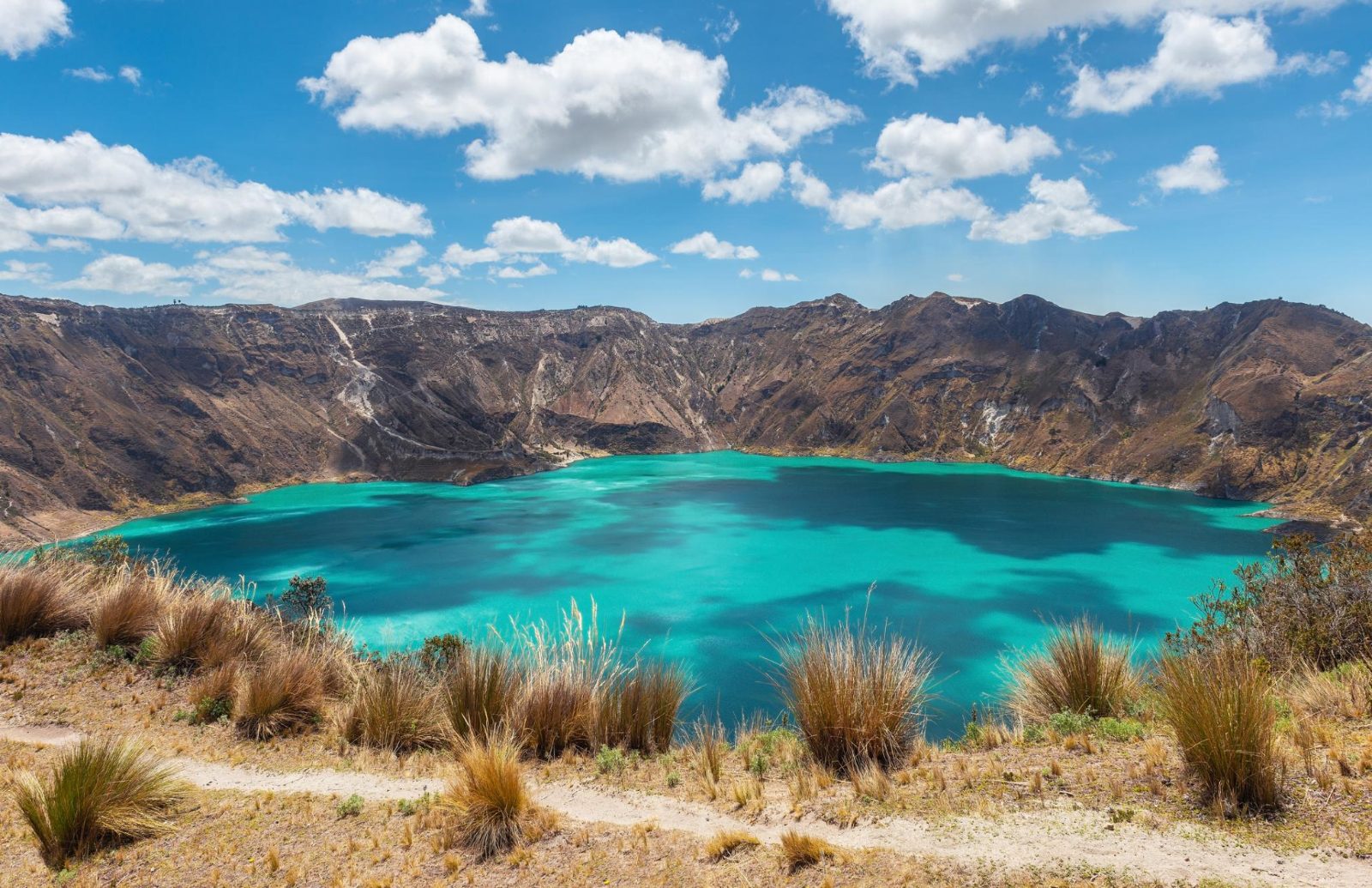
We booked one of the Ecuador private guide tours out to Quilotoa and it was the right call on the winding mountain roads. The crater lake was a deep turquoise under a cloudy sky, colder than expected at that elevation. Our guide carried extra water and pointed out condors circling the rim.
Fernando spotted more hummingbirds in twenty minutes than we would have found in a day alone. The cloud forest was damp and green with mist rolling through the canopy around mid-morning. A private guide in Ecuador who actually knows the trails makes all the difference.
The Otavalo market with our guide was full of color, stacks of woven blankets everywhere and the smell of grilled corn. It ran a bit long and we were tired by the drive back, though the guide was patient throughout. Worth arranging an Ecuador private guide rather than wandering the stalls alone.
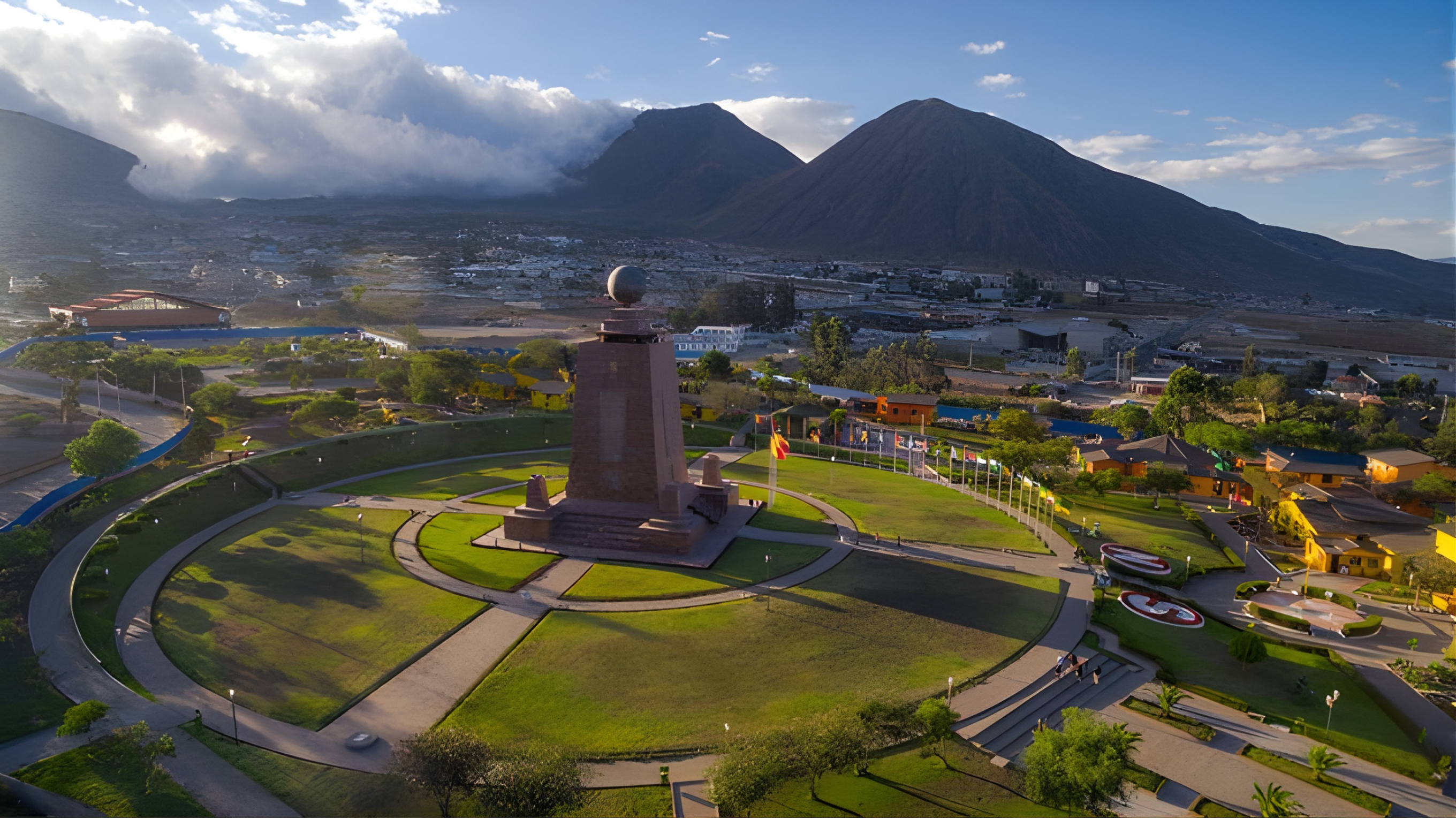
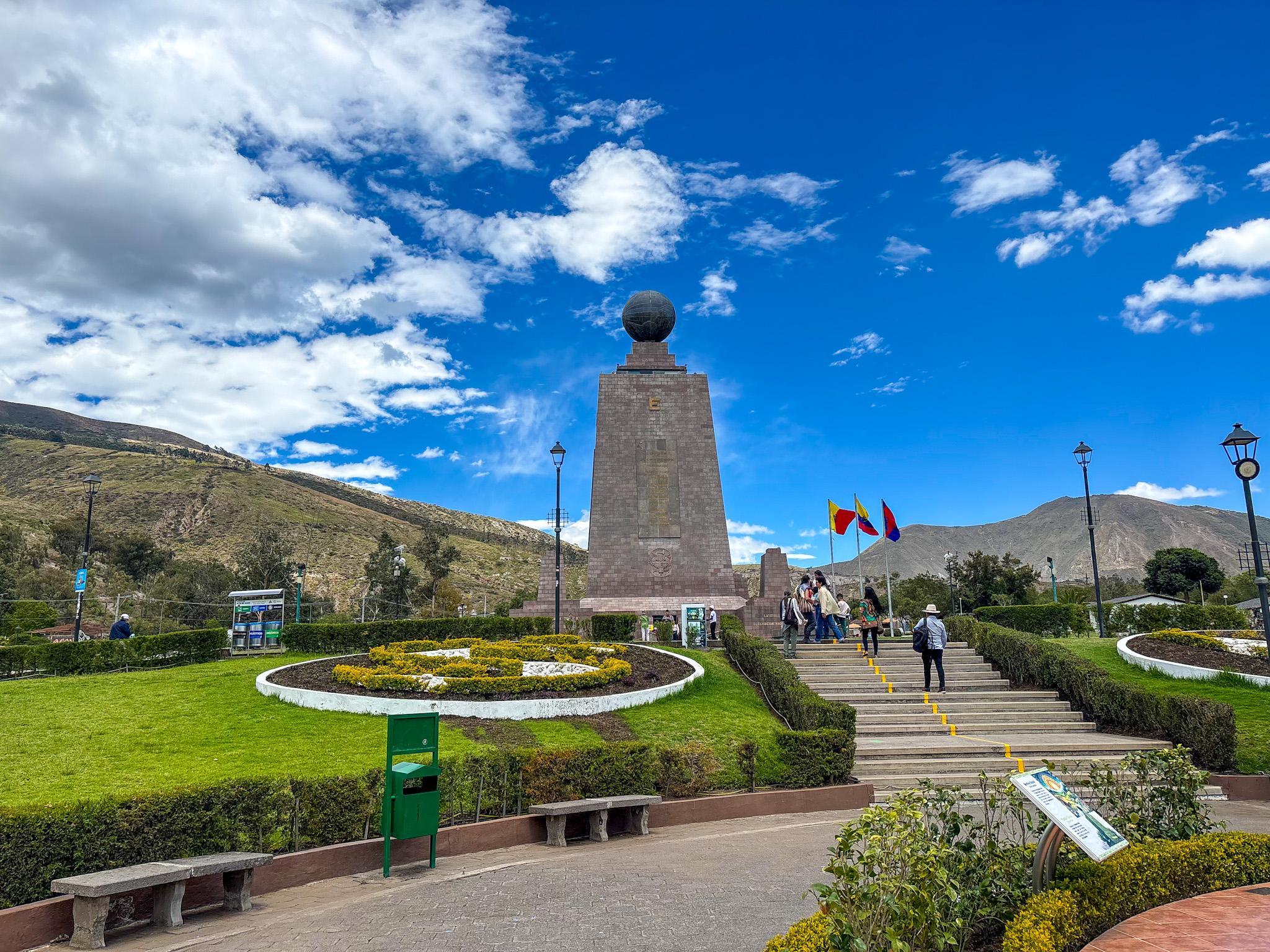
Our Quito private guide tour covered Mitad del Mundo in the harsh midday sun, then eased into cooler neighborhoods as the afternoon went on. Standing on the yellow equatorial line with someone explaining the geography was better than a rushed photo stop. Diego was warm and never made us feel hurried.
We arrived jet-lagged and the guide read it immediately, keeping our first day gentle across Quito's landmarks. The light on the rooftops near sunset was soft and golden. Booking Ecuador private guide tickets ahead saved us from queuing at the sites.
Clear cold morning air near Cotopaxi and our guide timed it so the volcano was still free of cloud when we arrived. He explained the páramo landscape as we walked, wind cutting across the open grass. A knowledgeable local guide turned a simple drive into something memorable.
An Ecuador private guide tour meant every transfer, entry, and lunch stop was handled without us thinking about it. The old town smelled of roasting coffee in the morning and our guide knew the quiet corners away from crowds. Highly recommend for a first visit.
We caught grey weather in the highlands but our guide reshuffled the route toward sheltered spots without complaint. The green terraced hills looked dramatic under low cloud. Having a private guide made the changeable Andes conditions far less stressful.
Our guide walked us through the Saturday market as it filled up at dawn, textiles and produce spilling across the square. Later we stopped at a quiet crater lake with barely another soul around. The Ecuador private guide tickets we prebooked covered everything smoothly.
Everything you need to know for your journey
An Ecuador private guide operates with flexible scheduling, effectively 00:00–23:59 daily, since tours are arranged around each traveler's chosen pickup time rather than fixed opening hours.
There is no entrance fee for the private guide service itself, listed at 0 USD, because it is not a ticketed site; travelers instead pay for guiding, transport, and any park-specific costs like Galápagos park fees.
Guides typically recommend an arrival window of 08:00–10:00 for full-day private tours, which allows enough daylight for highland routes like Cotopaxi before afternoon cloud cover sets in.
Quito's colonial core and select Andean viewpoints can be adapted for limited mobility, though Cotopaxi's páramo trails and Amazon jungle paths involve uneven terrain that guides discuss in advance.
Drones without a Galápagos National Park permit, non-native plant or animal products, and single-use plastic bags are among the items restricted on Galápagos legs of the trip.
Personal photography is welcome throughout Quito, Otavalo, Cotopaxi, and the Amazon at no extra cost, while drone use in Galápagos requires prior written park authorization.
The dry season from June through September offers the clearest Andean skies and best visibility of Cotopaxi's volcanic cone, making it a popular window for an Ecuador private guide tour.
Layered clothing and sturdy shoes are recommended, since temperatures swing from near-freezing on Cotopaxi's páramo to humid warmth in the Amazon lowlands.
Bottled water and packed snacks are fine throughout the itinerary, though alcohol is restricted on official Galápagos National Park boats and during protected-area visits.
Most Cotopaxi-bound Ecuador private guide tours depart by private vehicle from Quito along the Pan-American Highway, reaching the park gate in roughly 1.5 to 2 hours.
Yes, guides adjust pacing and altitude exposure for children, and car seats can be arranged on request for highland transfers.
Cancellations made at least 48 hours before pickup receive a full refund; later changes are charged for already-booked transport and logistics.
Limpiopungo Lagoon and the José Ribas Refuge sit within Cotopaxi National Park, while Otavalo's indigenous market and Quito's historic center make natural day-trip additions to an Ecuador private guide itinerary.
A shallow páramo lake at the base of Cotopaxi volcano, popular for short walks and bird-watching. Andean gulls and occasional condors are visible along the shoreline.
A stone mountain shelter at 4,800 meters used by climbers attempting the Cotopaxi summit. It offers basic dorm beds and hot drinks for acclimatizing hikers.
One of South America's largest indigenous textile markets, held in the town's main plaza with daily and Saturday sessions. Vendors sell woven ponchos, tapestries, and jewelry from surrounding Andean communities.
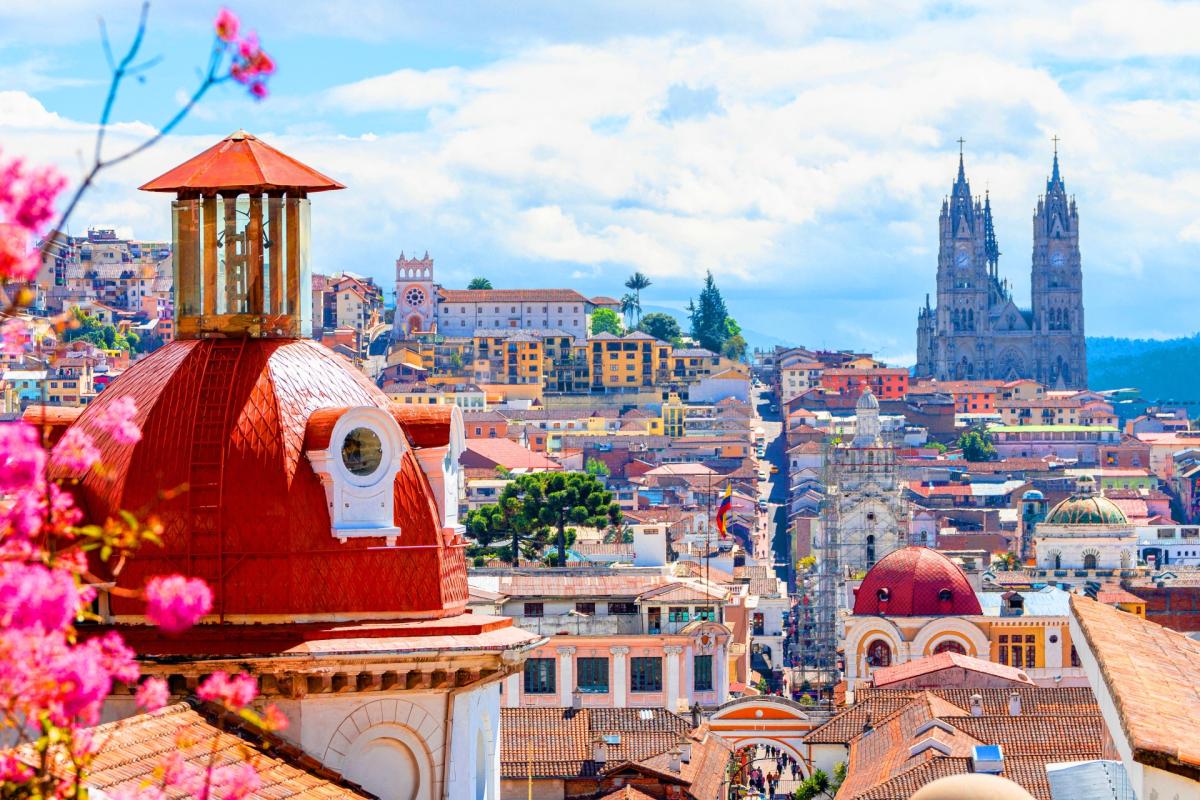
A UNESCO World Heritage colonial core with baroque churches, plazas, and 16th-century architecture. La Compañía de Jesús church and Plaza Grande anchor the district.
The only lodge located within the park boundaries, offering wood-stove-heated rooms and volcano views. It is Smart Voyager certified for environmentally sustainable tourism.
A converted highland hacienda offering horseback riding, mountain bike rental, and fireplace-equipped rooms near Cotopaxi.
Colonial-era hotels and boutique guesthouses cluster around Quito's historic plazas, convenient for early highland pickups.
Simple guesthouses and hostels serve as a low-cost base before an early Cotopaxi departure.
Join thousands of happy travelers who have discovered this incredible experience
Book Your Experience Now