4 hr
Quito Historic Center Food & Culture Walking Tour
- Expert local guide
- Small group
- Skip-the-line access
- Free cancellation
Quito City Tour — Colonial Old Town, Reserved Guides & Free Plazas
Cobblestones climb toward the Andes, gilded naves hold the light.
Compare fares, pick the fit — all bookings are mobile-voucher and eligible for free cancellation where shown.
4 hr
2 hr 30 min
7 hr
Hand-picked experiences loved by thousands of travelers
3.5 hours
Free Cancellation
Explore Quito's colonial heart with a local guide — history, flavors, and hidden stories await.
5 hours
Free Cancellation
Straddle two hemispheres, uncover equatorial science, and gaze into a living volcano — all in one 5-hour adventure from Quito.
7 hours
Free Cancellation
Discover Quito's golden churches, Andean heights, and the Equator line on a 7-hour private tour.
Start at the main square, note the Palacio de Gobierno and cathedral facades
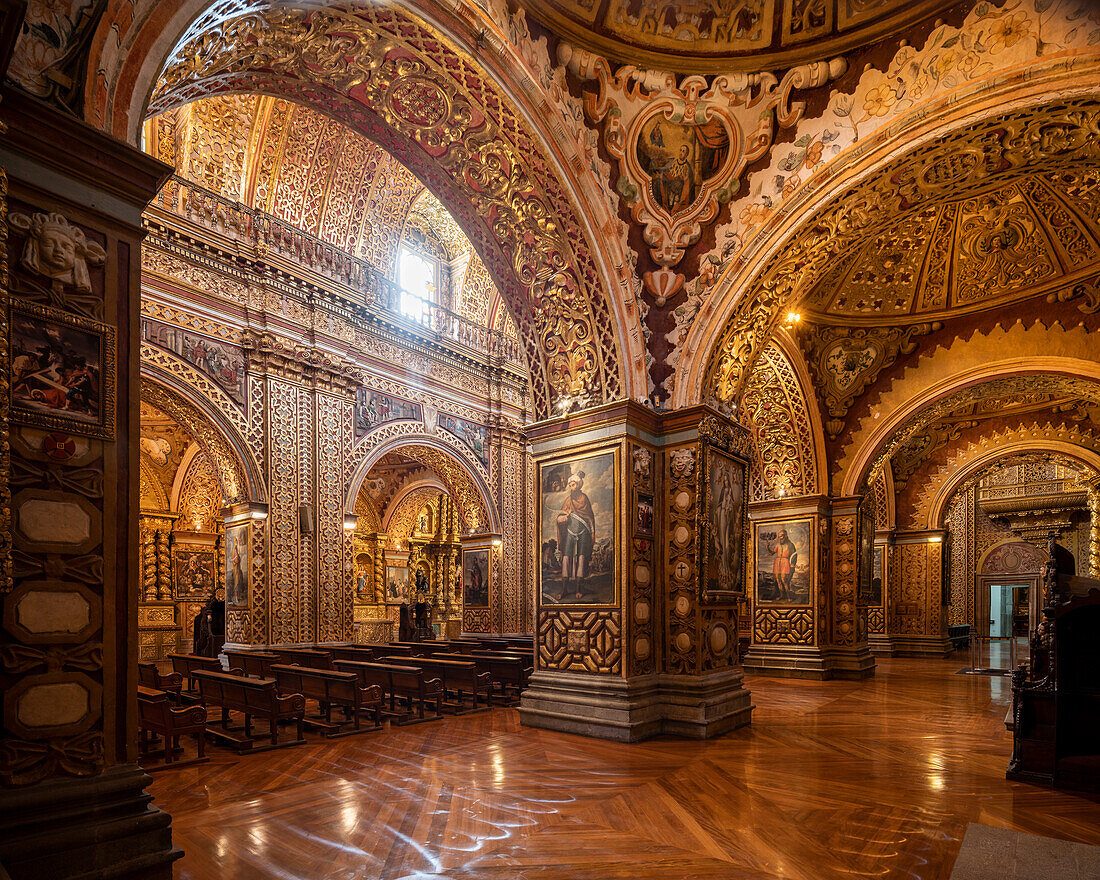
Walk one block southwest to view the gilded Baroque interior
Continue to the adjoining plaza and monastery facade
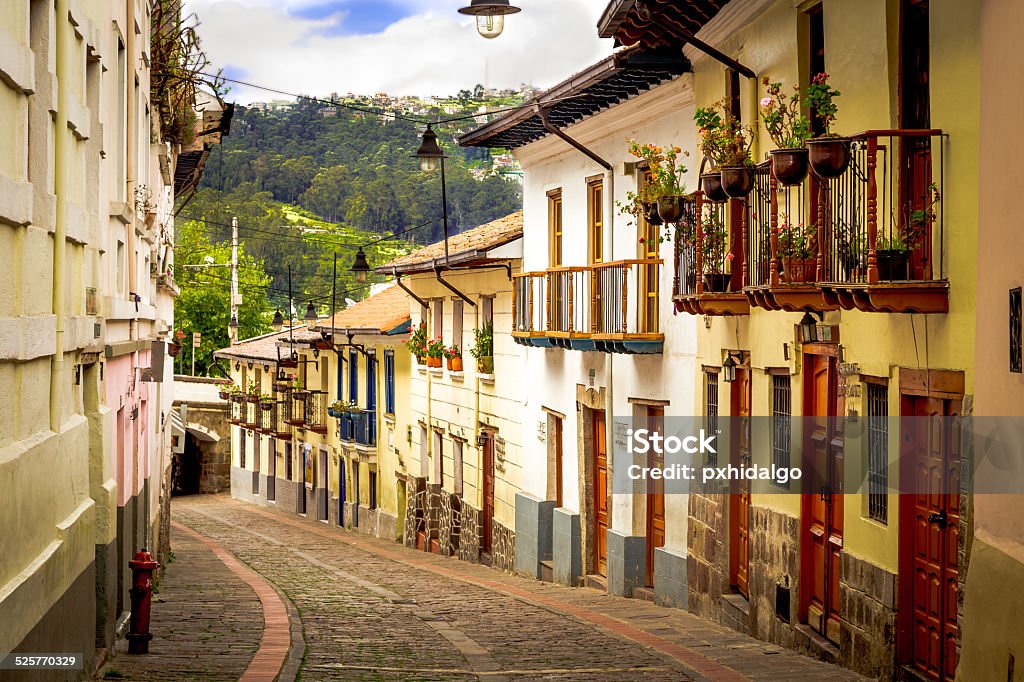
Stroll the narrow colonial lane of workshops and cafes
Finish with tower views over the historic center
The main square of Centro Historico, ringed by the Palacio de Gobierno, the Metropolitan Cathedral, and colonial arcades. It has served as the city's civic and social heart since Quito's founding, and sits at 2,850 meters above sea level.
The presidential palace forms the plaza's east side, fronted by a colonnaded facade and a changing-of-the-guard ceremony held several times weekly. Free tours through parts of the building are offered on select days, some in English.
A 16th-century cathedral on the plaza's south side, notable for its glazed ceramic-tile roof and colonial-era paintings depicting local volcanic eruptions. It remains the seat of the Archdiocese of Quito.
A Baroque church one block from the plaza, begun in 1605 and not completed until 160 years later. Its interior is covered in gold leaf, earning it a reputation as the most ornate church in South America.
The oldest religious complex in Quito, founded shortly after the city's 1534 Spanish refoundation, fronted by a broad plaza and white colonial facade. Its museum holds one of the largest collections of colonial art in the Andes.
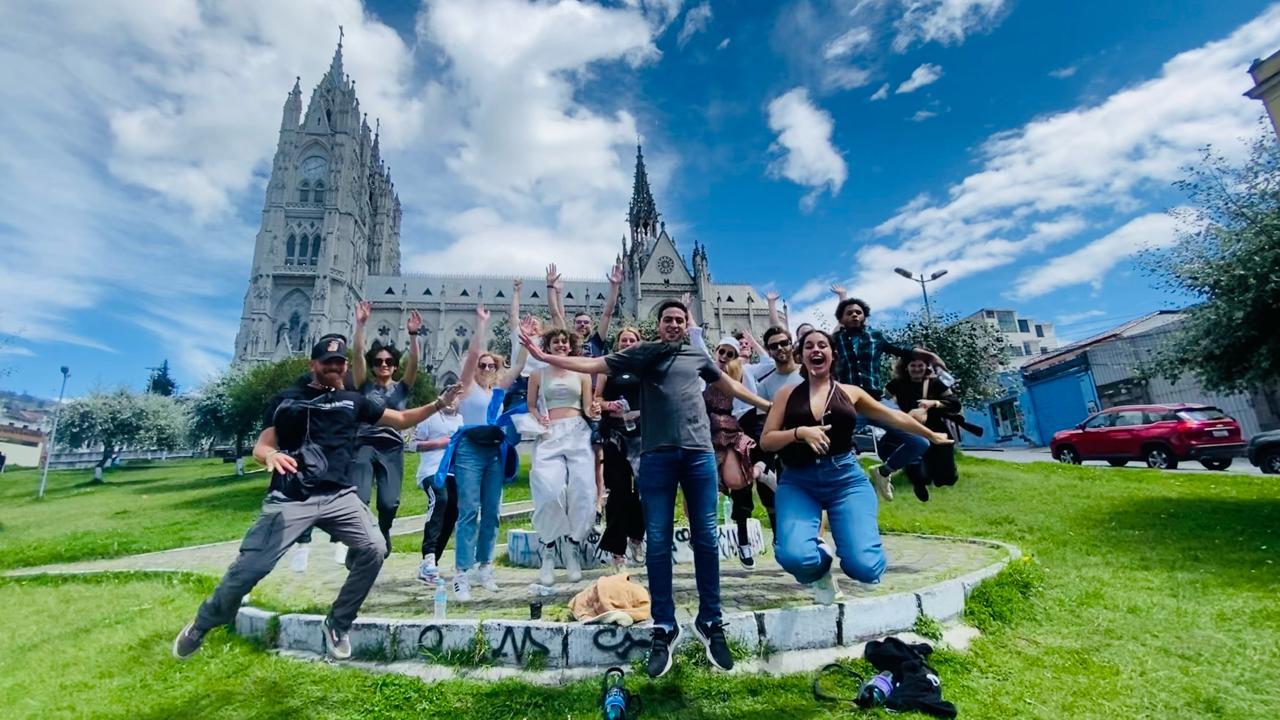
The largest neo-Gothic basilica in the Americas, featuring gargoyles carved as native Ecuadorian animals such as iguanas and armadillos in place of traditional European figures. Visitors can climb its towers for panoramic views over the historic center.
You arrive at Plaza Grande in the cooler morning air, before the equatorial sun climbs high, and take a bench among the shoe-shiners and pensioners already settled in. You orient yourself: the Presidential Palace to the west, the Cathedral to the south, Pichincha rising behind the rooftops. You start on foot, because the Old Town rewards the slow gait that the altitude demands anyway. You turn down Calle García Moreno and step into La Compañía de Jesús. Inside, you pause under seven tonnes of gold leaf, letting your eyes adjust to the low, burning light before you move on. You climb gently toward San Francisco, cross its wide stone atrium, and duck into the cool of the oldest church in Ecuador. Your legs feel the grade; you slow, you breathe, you keep going. Mid-morning you cut toward La Basílica del Voto Nacional and trace the carved iguanas along its stonework with your eyes, then climb the tower stairs for a hard-won view over the tiled roofs. You descend, weaving past carved balconies and doorways worn smooth by centuries of hands. By late morning you look up to the Panecillo, where the winged Virgin stands over the valley, and you decide whether to ride up for the panorama. A well-run Quito city tour hands you these fragments as one continuous thread, and you finish the recorrido with the whole colonial grid mapped in your legs and memory.
All the details about your upcoming adventure in one place
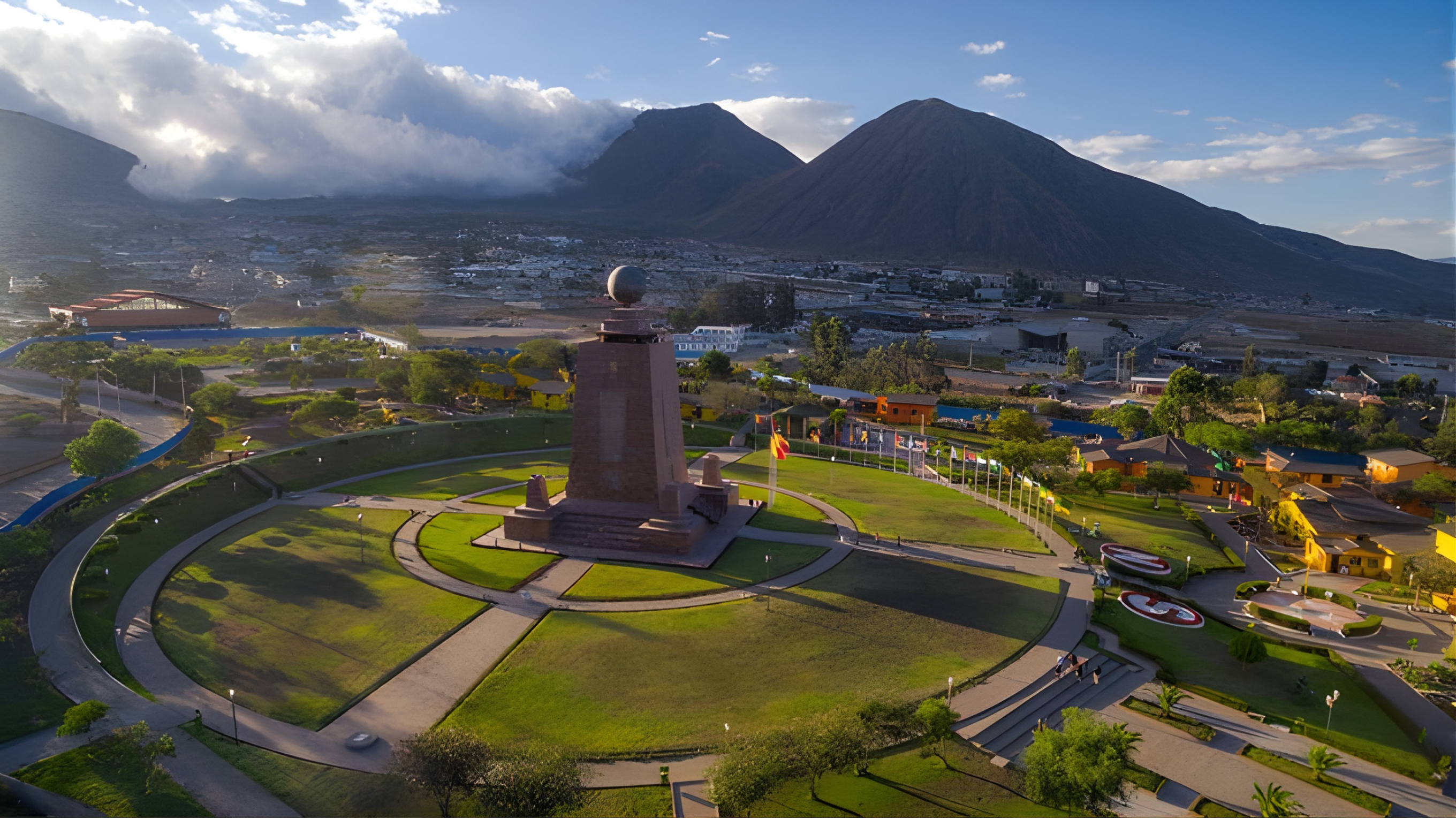
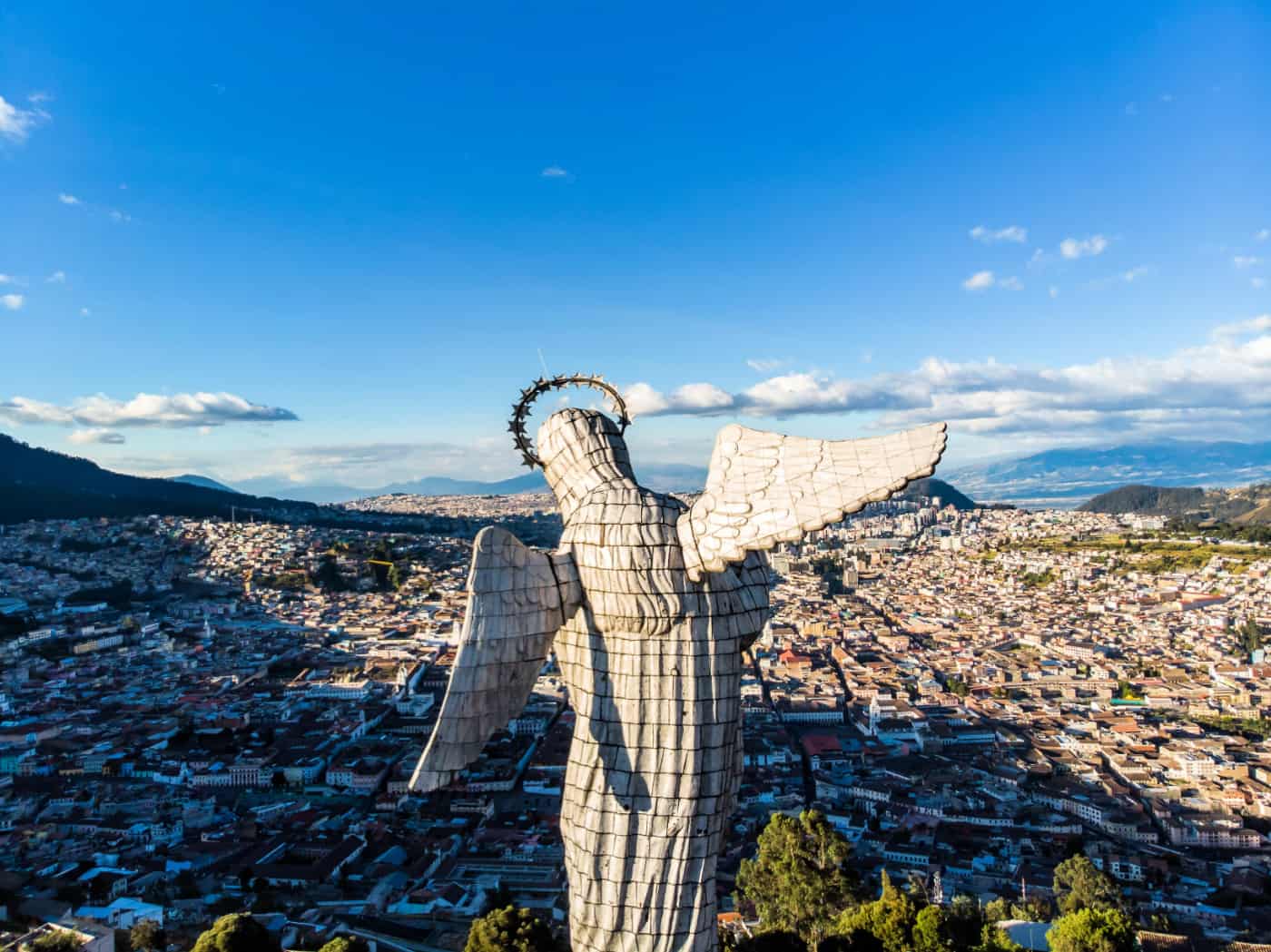
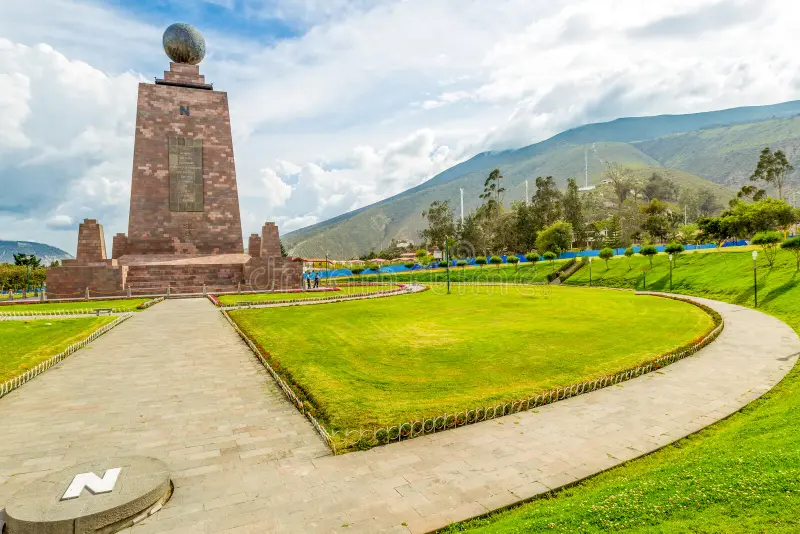
A Quito city tour winds through the largest and best-preserved colonial old town in the Americas, tracing cobbled streets between Plaza Grande, La Compañía, and the whitewashed churches of the UNESCO-listed Casco Antiguo. Guided visits pause at the Basílica del Voto Nacional and the viewpoint atop El Panecillo, where the winged Virgin overlooks the Andean valley. Quito city tour tickets pair the old town with a stop at the Mitad del Mundo equator monument just north of the capital.
Quito sits at 2,850 metres, making it the second-highest capital in the world, and its Centro Historico was among the first two sites ever inscribed on the UNESCO World Heritage list in 1978. That distinction rests on roughly 320 hectares of colonial fabric — the largest and best-preserved historic centre in the Americas, laid over the ruins of a northern Inca city that Spanish forces founded upon in 1534. A Quito city tour moves through streets that have kept their sixteenth-century grid, framed on every side by the volcanic cone of Pichincha. The significance of this place is measured less in scale than in continuity. Where other colonial capitals were flattened and rebuilt, Quito's Old Town escaped both major earthquakes and the wrecking ball, so its churches, monasteries and plazas survive as a working city rather than a museum. Plaza Grande remains the civic heart, ringed by the Presidential Palace, the Cathedral and the Archbishop's Palace, its benches shaded by palms and filled each morning with shoe-shiners, pensioners and pigeons. Architecturally, the district is defined by the Escuela Quiteña, a school of art and craft that fused Spanish, Moorish, Flemish and Indigenous hands into a single idiom. Its masterpiece is La Compañía de Jesús, whose interior is sheathed in an estimated seven tonnes of gold leaf across carved cedar and volcanic-stone vaults — a Baroque surface so dense it seems to burn. Nearby, the Franciscan complex of San Francisco covers three-and-a-half hectares, the oldest church in Ecuador, its atrium opening onto a plaza that predates every European cathedral square on the continent. La Basílica del Voto Nacional, later and neo-Gothic, trades saints for carved iguanas and tortoises along its gutters, a nod to Galápagos endemism unique among the world's cathedrals. Beyond the monuments, the recorrido por Quito is a lesson in verticality and light. The equatorial sun falls almost straight down, so courtyards glow at midday and the whitewashed walls of Calle García Moreno throw hard shadows across their carved lintels. From the Panecillo hill, a winged aluminium Virgin of 41 metres surveys the tiled rooftops, one of the few Marian figures depicted with wings and standing on a globe. The Quito old town walking tour threads these landmarks into a legible whole, each block carrying an altarpiece, a viewpoint or a plaque. What endures here is texture: the smell of tallow candles in cool naves, the ring of church bells staggered across the valley, the andesite paving worn smooth by five centuries of feet. Reputable Quito city tour tours treat the district as a living archive, and the best guided readings of these colonial landmarks leave visitors with a sense of a capital that has never stopped being itself. Few Quito city tour tickets open a city so completely, from its gilded interiors to the volcanic ridgeline that hems it in.

Where other colonial capitals were flattened and rebuilt, Quito's Old Town survived as a working city rather than a museum.
Comfortable walking shoes are essential on the plaza's uneven cobblestones and the sloped colonial streets nearby. Layers work best, since Quito's 2,850 m elevation brings cool mornings and warm midday sun. Some church interiors around Plaza Grande request covered shoulders and no swimwear or beachwear.
Police and municipal guards patrol Plaza Grande and the surrounding Centro Historico streets throughout the day. Backpacks may be checked at church entrances such as La Compañía de Jesús before entry. Keep bags zipped and in front of you in dense crowds near the Palacio de Gobierno and market stalls.
Photography is unrestricted outdoors across Plaza Grande, its arcades, and surrounding streets. Several church interiors near the plaza, including La Compañía de Jesús, prohibit photos and video inside to protect the gilded altarpieces. Tripods and drones require separate municipal permission in the historic center.
Children move freely across the open plaza, and the changing of the guard at the Palacio de Gobierno draws family audiences. Public restrooms are limited directly on the plaza, so plan ahead for young children.
Plaza Grande itself is flat and paved, but many surrounding Centro Historico streets are steep cobblestone with narrow colonial sidewalks. Wheelchair users should expect uneven surfaces and limited curb cuts. Some church interiors, such as the Basilica del Voto Nacional's towers, are reached only by stairs.
Outdoor eating and drinking is permitted around Plaza Grande's arcades and benches, but food and beverages are not allowed inside church naves such as La Compañía de Jesús or the Metropolitan Cathedral. Street vendors sell coffee and snacks along the plaza edges, and bottled water is fine to carry throughout the walk.
Plaza always open, sites open 09:30
Quietest weekday
Busier evening foot traffic
Market stalls, heavier crowds
Family outings, street performers
Best hours
09:00–12:00 for cooler temperatures and open church interiors
Address
Plaza Grande, Centro Historico, Quito, Ecuador
Terrain
Cobblestone streets and plaza, some sloped colonial blocks
Elevation
2,850 m — bring sun protection even on cool days
Entry fee
Free entry to plaza and streets, individual sites charge separately
Walk · 10-20 min · Free
Most Centro Historico hotels sit within a 10-20 minute walk of Plaza Grande along cobblestone streets
Public transport · 20-30 min · 0.35 USD flat fare
The Trolebús and Ecovía lines stop near Centro Historico, with the Plaza Grande stop a short walk from the square
Taxi · 15-40 min · 4-25 USD depending on origin
Metered taxis from La Mariscal or the airport reach Plaza Grande directly
Car · Varies · 2-4 USD per hour
Limited paid street parking and a few paid lots ring the historic center
The Quito city tour route through Plaza Grande and Centro Historico has no entrance fee, so there is no booking or refund to manage for self-guided visits. If joining a paid guided Quito city tour, check the operator's own cancellation window, as the plaza and streets themselves carry a 0 USD entrance fee at all times.
Recommended time
1-3 hours
A focused Quito city tour of Plaza Grande and La Compania runs about an hour, enough time to see the plaza's colonial facades and step inside the gold-leaf interior before the midday crush arrives. Add roughly two hours to extend north to the Basilica and south to El Panecillo, which turns the outing into a half-day loop with real walking between stops. Church access tightens as the day goes on, since individual sites open around 9:30 and queues build through late morning, so the 09:00-12:00 window keeps both the plaza and its churches workable in one pass. Arriving right at opening avoids the wait; arriving after lunch often means a shorter church visit or a closed door.
Crowd levels through the day
Weather · crowds · average price — dots go green to amber to red as each metric rises.
Dry season with the clearest skies for a Quito city tour, daytime temperatures around 18–21°C, moderate tourist volume
Warmer, drier stretch popular with holiday visitors, plaza gets busy around Christmas and New Year events
Rainy season with afternoon showers common, mornings still generally clear and less crowded
Shoulder season, fewer international visitors, occasional rain showers in the afternoon
The Palacio de Gobierno holds a changing of the guard ceremony on the plaza's east side several times weekly, drawing a crowd near the flagpole.
Vendors and small cafes around Plaza Grande often lack change for large notes, so keep 1 and 5 USD bills handy.
La Compañía de Jesús and other churches close to tourists during mass, so confirm hours before detouring off the main plaza.
At 2,850 meters, uphill cobblestone stretches near the plaza can feel more strenuous than expected for visitors arriving from sea level.
The colonial street of La Ronda sits an easy walk south and pairs naturally with a Plaza Grande route.
Pickpocketing has been reported in dense plaza crowds, so keep valuables in front pockets or zipped bags.
Many of the plaza's colonial buildings have carved balconies and ironwork worth pausing to notice above street level.
Plaza Grande, Centro Historico, Quito, Ecuador
Common start point for free walking tours
Get directionsCalle García Moreno, Centro Historico, Quito
Where the changing of the guard occurs
Get directionsIn December 1534, Sebastián de Benalcázar traced a modest dirt square at the heart of the newly founded villa of San Francisco de Quito. A single fountain marked its center. The plaza had no grand name then, only a function: it was the civic and religious core around which Spanish colonial power would arrange itself. Any Quito city tour that pauses at Plaza Grande stands on ground surveyed nearly five centuries ago. The four surrounding facades were built to display authority. The Cathedral rose along the southern edge from 1562, its structure reshaped after earthquakes across the 17th and 18th centuries. The Archbishop's Palace claimed the northern flank. The Municipal Palace held the eastern side, seat of the cabildo. On the western edge stood the Carondelet Palace, named for Baron de Carondelet, president of the Royal Audiencia from 1799. These colonial landmarks framed a square that governed a territory. Many Quito historic center tours still read the plaza as a diagram of that old order. The square carries the memory of rebellion. On 10 August 1809, Quito's criollo elite declared an autonomous junta, an early stir toward independence. The central monument, inaugurated on 10 August 1906, honors the martyrs executed on 2 August 1810 after that first attempt collapsed. Its bronze condor and wounded lion were cast to mark the cost of that failed rising. Guides on skip-the-line Plaza Grande tours often begin the political story here. The plaza a visitor sees today owes much to the 19th century. Under President Gabriel García Moreno, who governed from 1861, the space was remodeled in a French-influenced manner, its gardens laid out and its geometry formalized toward the Parisian taste of the era. In 1978, UNESCO named Quito's historic center one of the world's first two cultural World Heritage Sites, recognizing the least-altered colonial core in the Americas. That listing anchors the demand for Quito city tour tours to this day. The stone, the fountain's lineage, the four palaces, and the 1906 monument survive intact. Quito landmarks tickets and Plaza Grande tour passes trace a route that has changed function many times yet kept its footprint. Booking Quito city tour tickets means walking a square where 1534, 1809, and 1978 remain legible at once.
Sebastián de Benalcázar lays out the plaza as a dirt square with a central fountain at Quito's founding.
Construction of the Cathedral begins along the plaza's southern edge under colonial authority.
Baron de Carondelet becomes president of the Royal Audiencia, lending his name to the western palace.
Quito's criollo junta declares autonomy on 10 August, an early move toward independence.
President García Moreno begins the French-influenced remodel that shaped today's plaza.
The central independence monument is inaugurated on 10 August to honor the 1810 martyrs.
UNESCO names Quito's historic center one of the first two World Heritage cities.
The bronze independence monument rises at the center of the plaza with the Carondelet Palace and the Cathedral of Quito as a backdrop; stand near the fountain edge to frame the column with the surrounding colonial facades. This spot anchors most Quito city tour itineraries starting from the historic center.
From the rooftop terrace of the San Francisco convent, the green-and-gold domes of La Compania de Jesus sit in the foreground with the twin towers of the Basilica del Voto Nacional visible further north across the rooftops. Access is via the stairs inside the museum, reached through the church's side courtyard.
Standing in the open plaza looking north gives a wide, low-angle shot of the church's stone facade rising above the sloped square, one of the most photographed compositions in the old town.
From the base of the winged Virgin of Quito statue, the historic center spreads out below in a dense grid of red-tiled roofs, with Casa Gangotena's dome and the surrounding colonial blocks visible against the Andean skyline. Reach it by taxi rather than on foot for safety.
The hotel's third-floor terrace overlooks Plaza San Francisco directly, with El Panecillo and the Virgin statue framed above the rooftops; it is accessible to guests and diners of the hotel.
A Quito city tour around Plaza Grande and the surrounding cobblestone streets works well with kids since the plaza itself is flat, free, and open, though the thin Andean air and the nearby church towers call for a slower pace than at sea level. Families who plan rest stops and skip the steepest climbs get the most out of the historic center.
Plaza Grande's paved, mostly flat surface is stroller-friendly, but the cobblestones on side streets like La Ronda are uneven, so a compact stroller or a baby carrier makes the pedestrian lanes far easier going.
Quito sits above 2,800 meters, so kids can tire or get headaches faster than usual; keep the morning arrival window relaxed, hydrate often, and avoid packing the plaza visit back-to-back with another hillside site the same day.
Skip the Basilica del Voto Nacional's tower climb with younger children, since the route to the top uses narrow spiral stairs and steep metal ladders with no elevator, and is not considered safe for kids; the ground-floor nave and courtyards are the better family stop.
Break up walking between Plaza Grande and nearby colonial churches with pauses on the plaza benches, where street musicians and performers give kids a built-in reason to sit still for a few minutes.
Public restrooms are limited right on the plaza, so use a café or the Basilica's ground-floor facilities before setting off, and carry water and snacks since options directly on the square are sparse.
Grade-school kids and up generally handle the walking and altitude best; toddlers do fine in a carrier for the plaza itself but should sit out any interior tower or bell-tower stairs.
Eating well near Plaza Grande takes no detours: colonnaded courtyards and hotel dining rooms sit steps from the square, so a Quito city tour of the historic center can pause for coffee, chocolate, or a full lunch without breaking stride. Most spots cluster within the Palacio Arzobispal or along García Moreno and Chile streets.
Colonial dining room overlooking the plaza, known for helado de paila (ice cream churned tableside) and seco de chivo. Mornings are calm; lunch fills with tour groups. Good for a sit-down break rather than a quick bite.
Boutique and small cacao museum on Venezuela street pouring rich hot chocolate and dark-chocolate desserts. Entry to the museum is free with a purchase, and it suits a short stop between church visits. Afternoons draw the biggest crowds.
Terrace restaurant on Mejía and García Moreno with 360-degree views over the old town's domes and rooftops. Order the seco de chivo or ceviche; sunset and weekend evenings get busy, so an earlier lunch is easier to walk into.
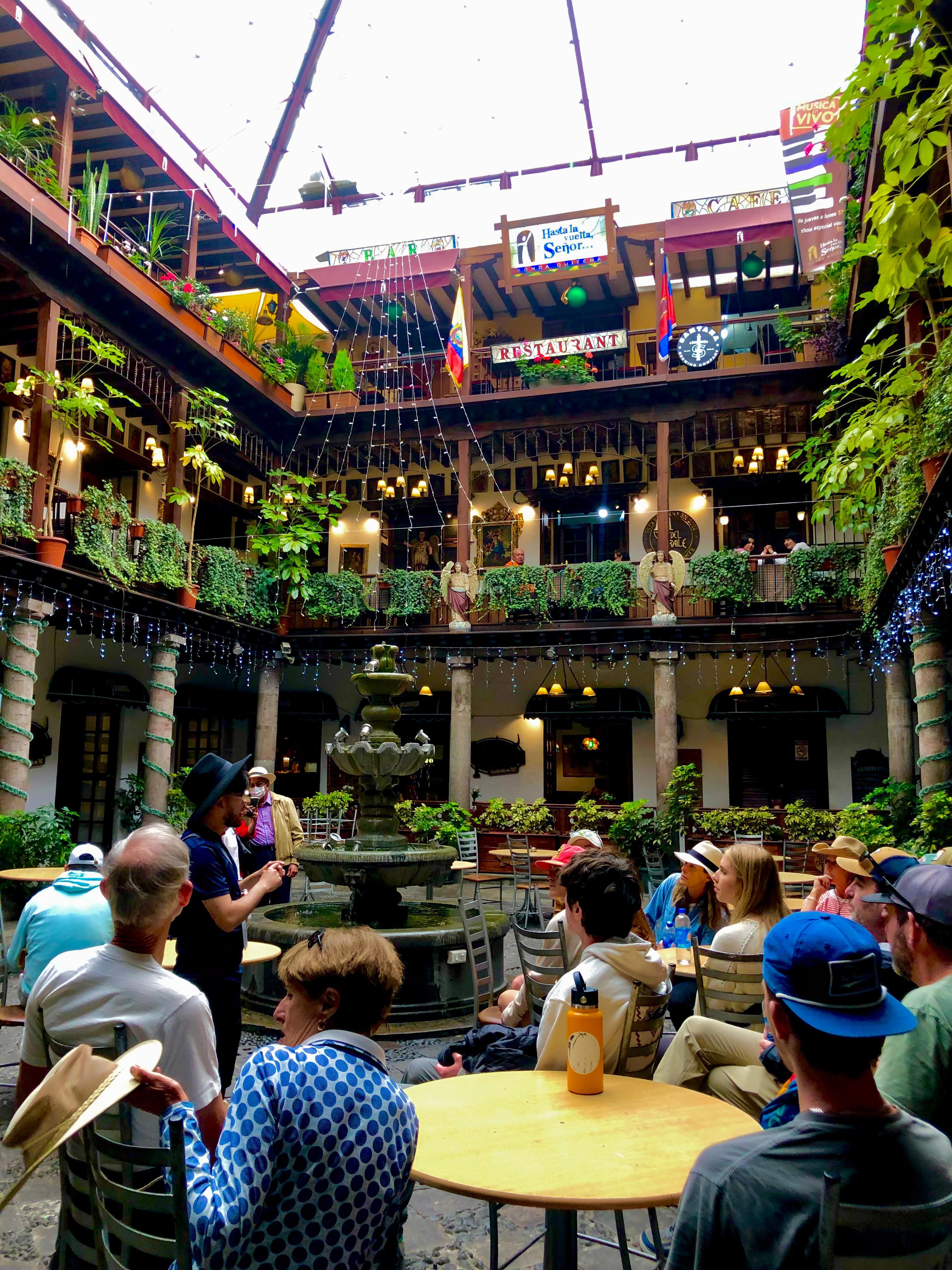
A colonnaded courtyard inside the former palace holds small, cozy restaurants and cafes ranging from quick empanadas to fuller meals. Convenient for travelers piecing together a Quito city tour tour without leaving the plaza, though some stalls open later in the morning.
Real experiences from real travelers
Our Quito city tour began early in Plaza Grande before the crowds, when the light was still soft on the cathedral. The guide knew every doorway along Calle García Moreno and the walk to La Compañía felt unhurried. Bring a light jacket, the altitude keeps mornings cool even in summer.
The climb up El Panecillo gave us the whole old town laid out below with the volcanoes ringing the valley. Half the fun of this Quito heritage tour was hearing why the Virgin has wings, which our guide explained with real patience. We paid a few dollars for the ride up and it was worth it.
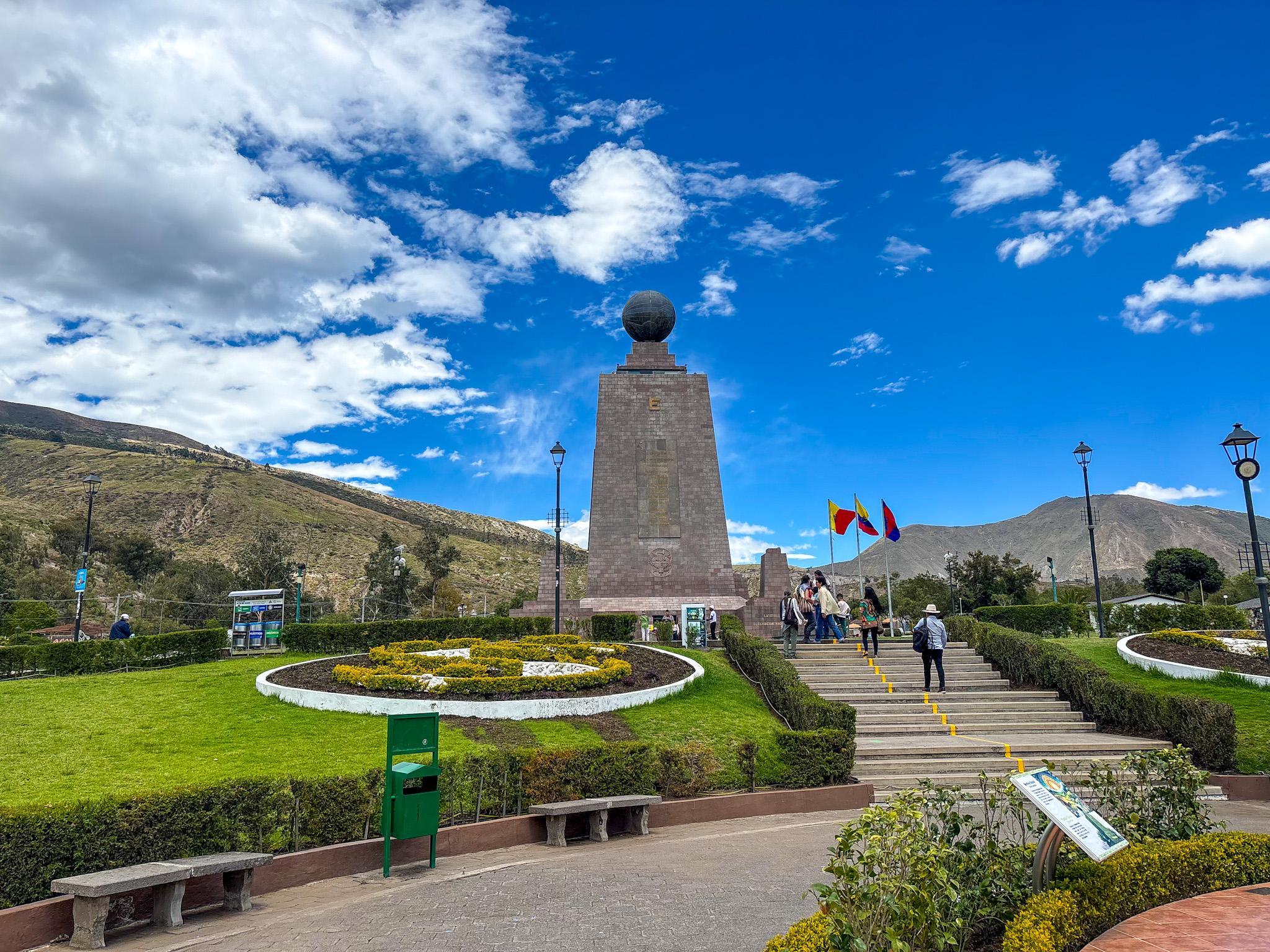
The historic centre section was paced well, though the Mitad del Mundo stop at the end felt squeezed into too little time. Standing on the equator line with one foot in each hemisphere was still a fun photo. If you can, book a full-day option rather than the half day.
Stepping into La Compañía de Jesús with all that gold leaf catching the light left our whole group quiet. Our recorrido por el centro histórico de Quito wove together the churches, the plazas and the street life without ever feeling like a lecture. The cobblestones are uneven so wear proper shoes.
As a first day in the city this Quito landmarks walk oriented us perfectly, from the President's palace to the artisan shops on La Ronda. The 2,850 metre altitude hit me on the hills but the guide slowed the pace whenever anyone needed it. Skip-the-line church entry saved us a long wait at La Compañía.
We ended on La Ronda as the lamps came on and tried canelazo, a warm spiced drink that suited the chilly evening. Booking Quito city tour tickets in advance meant our small group stayed small, which I appreciated. The guide's stories about the street's musicians stuck with me.
A dependable Quito old town tour covering the essentials in about four hours, with good context on the UNESCO listing. The van between the centre and the equator monument was comfortable. I would have liked a little more free time to wander on my own.
Between the panorama from El Panecillo and the baroque churches below, this was a full morning of Quito sightseeing tours done right. Our guide grew up nearby and pointed out details no guidebook mentions. Weather turned misty by noon so the early start really paid off.
One of the better Quito city tour tours I have joined, mostly because the group was only six people and the guide adapted to us. We lingered in Plaza San Francisco while she explained the Andean and Spanish blend in the architecture. Comfortable shoes and sunscreen are essential up here.
Meeting at 8am meant quiet plazas and clear equatorial light for photos across the historic centre. The guide balanced the churches, the viewpoints and a quick market stop without any of it feeling forced. A Quito city tour tour like this is the easiest way to get your bearings on day one.
Everything you need to know for your journey
Plaza Grande and the surrounding streets are open around the clock, though individual church sites on the route typically open around 09:30.
No, Plaza Grande and the public streets of Centro Historico carry a 0 USD entrance fee; only some individual church interiors charge separately.
Arriving between 09:00 and 12:00 gives cooler temperatures, fewer crowds, and access to church interiors that open by 09:30.
Bags may be checked at the entrances of some churches on the route, such as La Compañía de Jesús, though the outdoor plaza itself has no bag checks.
Photography is unrestricted outdoors on the plaza, but several church interiors along the walk prohibit photos and video inside.
Comfortable shoes and light layers work best, since the plaza's cobblestones and Quito's elevation make for a cooler, uneven walk.
Eating and drinking is fine outdoors around the plaza's arcades, but not inside church naves along the route.
Plaza Grande sits in Centro Historico, Quito, and is reachable on foot from most old-town hotels or via the Trolebús and Ecovía lines.
Yes, children can move freely across the open plaza and often enjoy watching the changing of the guard at the Palacio de Gobierno.
The plaza and streets have no fee to cancel, since entry is free; guided operators running a paid tour set their own refund windows.
Plaza de San Francisco, Calle La Ronda, and the Basilica del Voto Nacional all sit within a short walk of Plaza Grande.
The plaza itself is flat and paved, but many surrounding cobblestone streets and some church interiors involve stairs.
South side of Plaza Grande, a 16th-century cathedral with a glazed ceramic dome and colonial artwork.
Broad colonial plaza fronting the San Francisco Church and Monastery, one of the oldest religious complexes in South America.
Neo-Gothic basilica with climbable towers offering panoramic views over the historic center.
Narrow restored colonial street lined with artisan workshops, cafes, and traditional canelazo bars.
Pre-Columbian art museum housed in a restored colonial residence near San Francisco Plaza.
Restored republican-era mansion overlooking Plaza San Francisco with rooftop terrace views.
Design-forward boutique property inside a converted colonial home near San Francisco Plaza.
Straightforward mid-range hotel steps from Plaza Santo Domingo with plaza-view rooms.
Backpacker-oriented hostel within walking distance of Plaza Grande.
Staying inside the historic core puts every colonial landmark within a short walk.
Join thousands of happy travelers who have discovered this incredible experience
Book Your Experience Now